Origin
Terroir profiles, processing methods, and regional character — the geography behind the flavor. Each origin article maps a specific tea region with the same precision a wine atlas brings to its appellations.
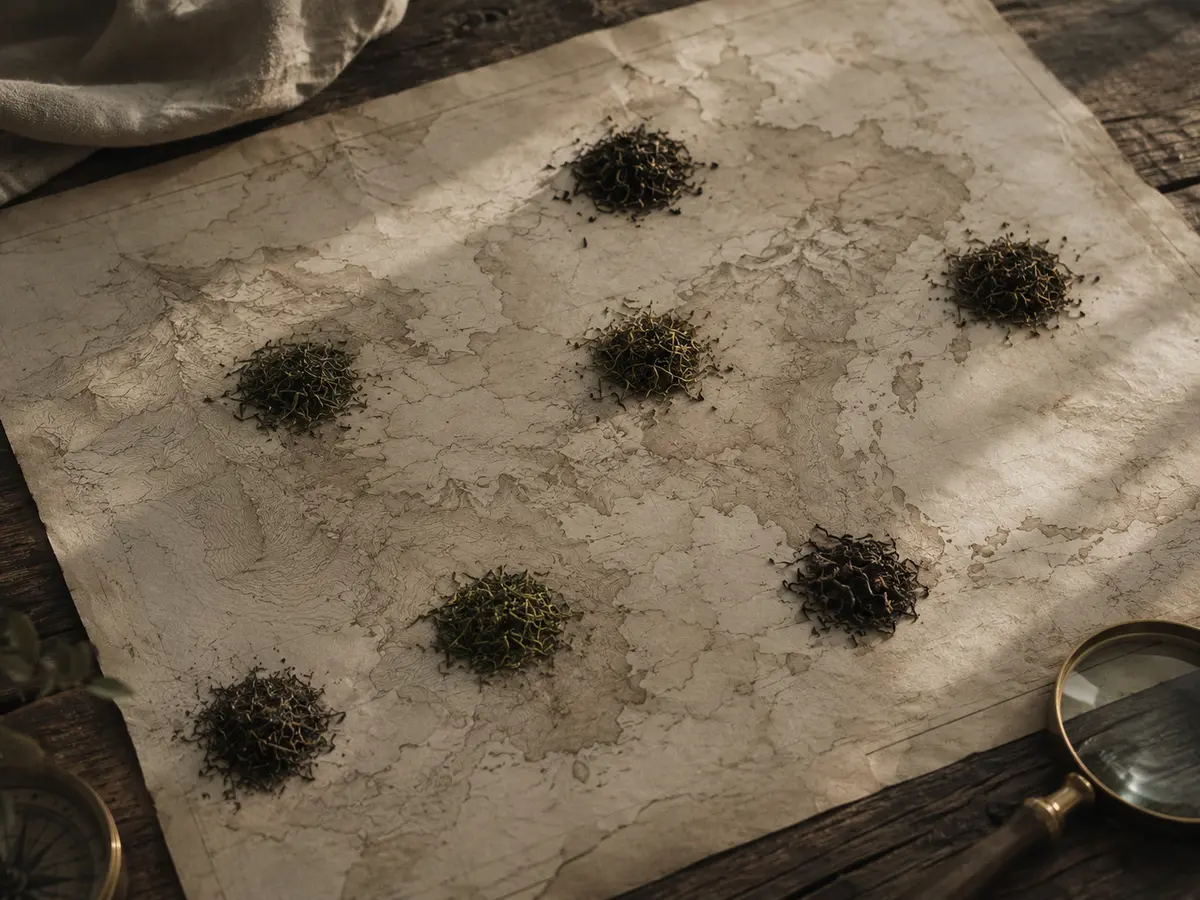
Terroir profiles, processing methods, and regional character — the geography behind the flavor. Each origin article maps a specific tea region with the same precision a wine atlas brings to its appellations.
Coverage spans the principal tea-growing regions of Asia — Yunnan, Fujian, Guangdong, Wuyi, Taiwan, the Thai highlands, and production zones across Southeast Asia. Articles explain elevation, soil composition, cultivar selection, and how each factor shapes what ends up in the cup.
Processing documentation goes deep: kill-green methods, oxidation control, rolling, compression, fermentation, and roasting — explained precisely enough that the chemistry makes sense, not just the category names.
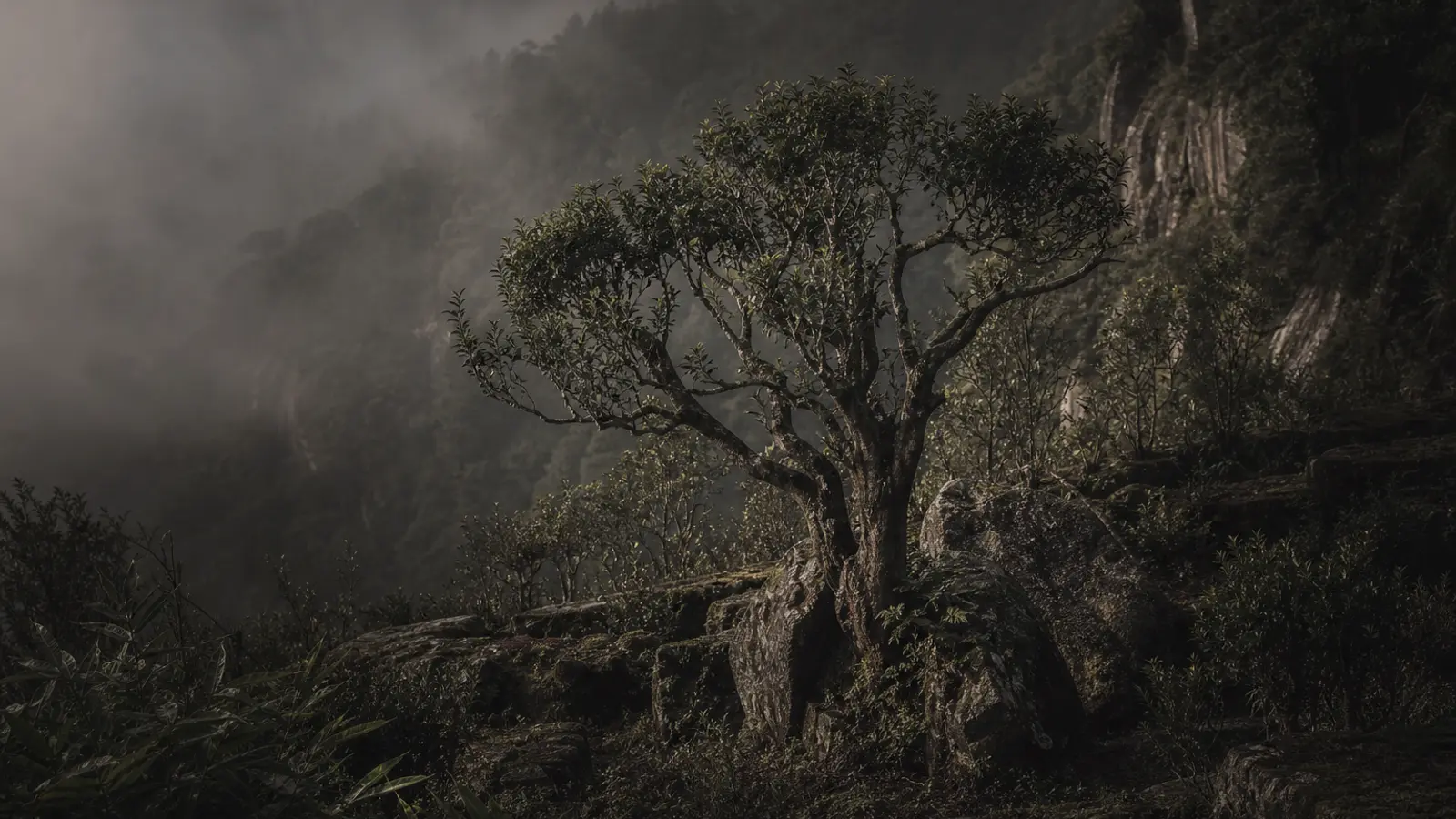
Phoenix Mountain: Where Every Tree Has a Name
Phoenix Mountain (凤凰山) in Chaozhou produces dancong oolong from named ancient trees. Explore the terroir, cultivars, and traditions of this unique origin.
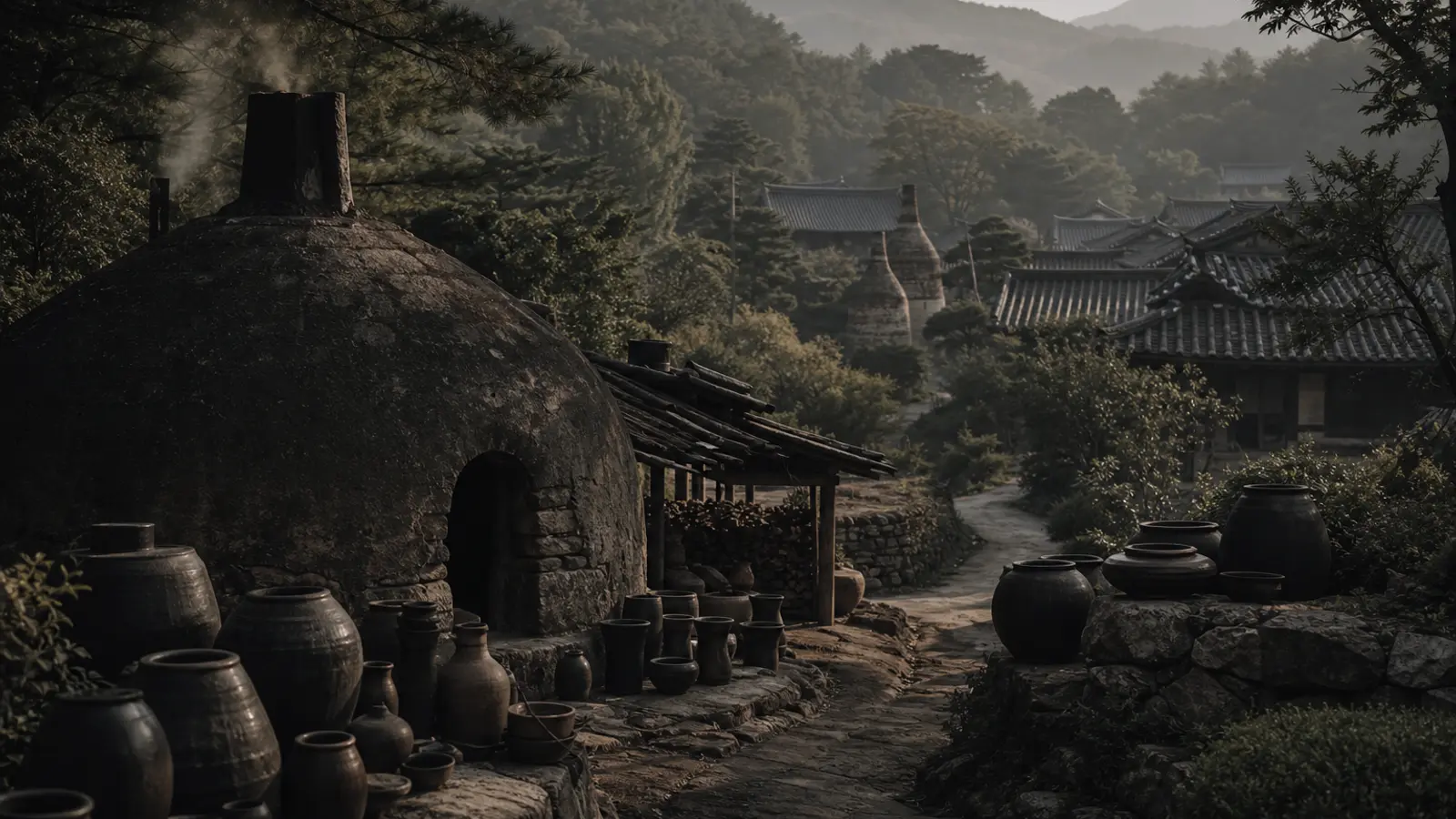
Icheon: Korea's Ceramics Capital
Icheon is Korea's living ceramics capital with 300+ studios producing celadon and white porcelain teaware. A complete guide to this UNESCO Creative City.
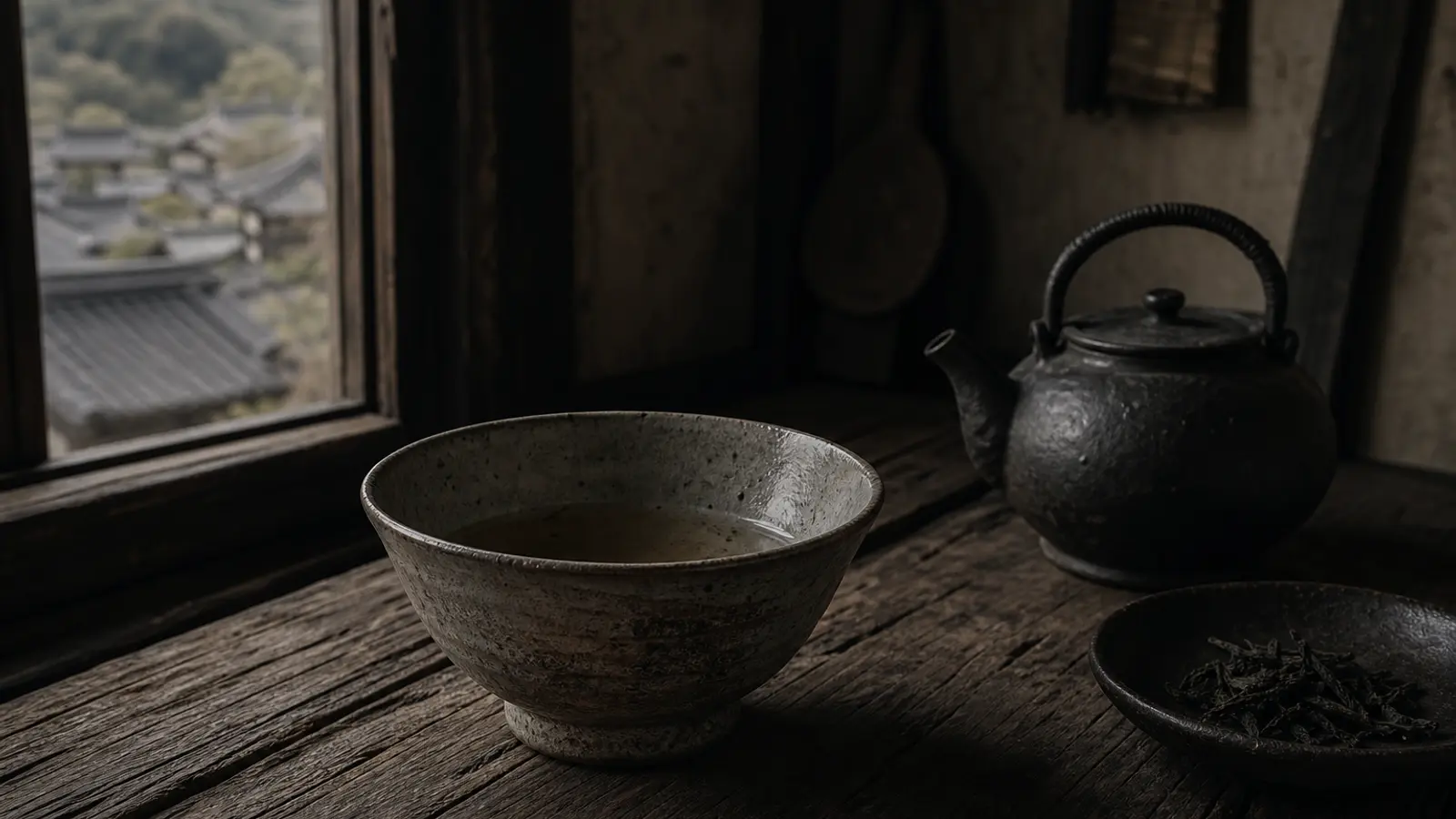
Mungyeong: Korea's Tea Bowl Town
Mungyeong is the historical center of Korea's tea bowl tradition, where Joseon folk bowls became Japanese tea ceremony's most treasured objects.
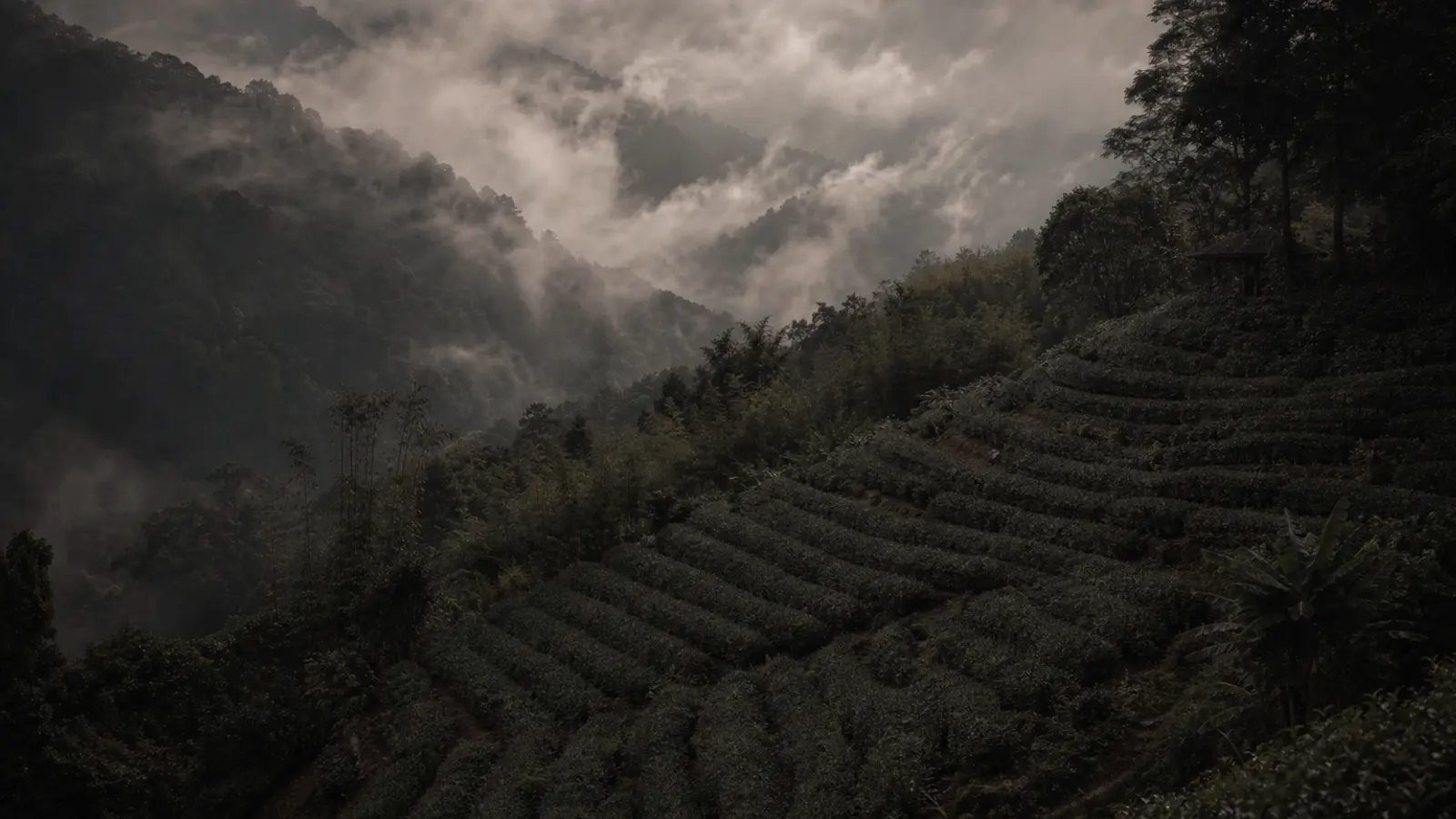
Ali Shan Oolong: Taiwan's Gateway to High Mountain Tea
Ali Shan oolong is Taiwan's most accessible high mountain tea. Explore the terroir, flavor, pricing, and quality markers of this iconic Chiayi County or...
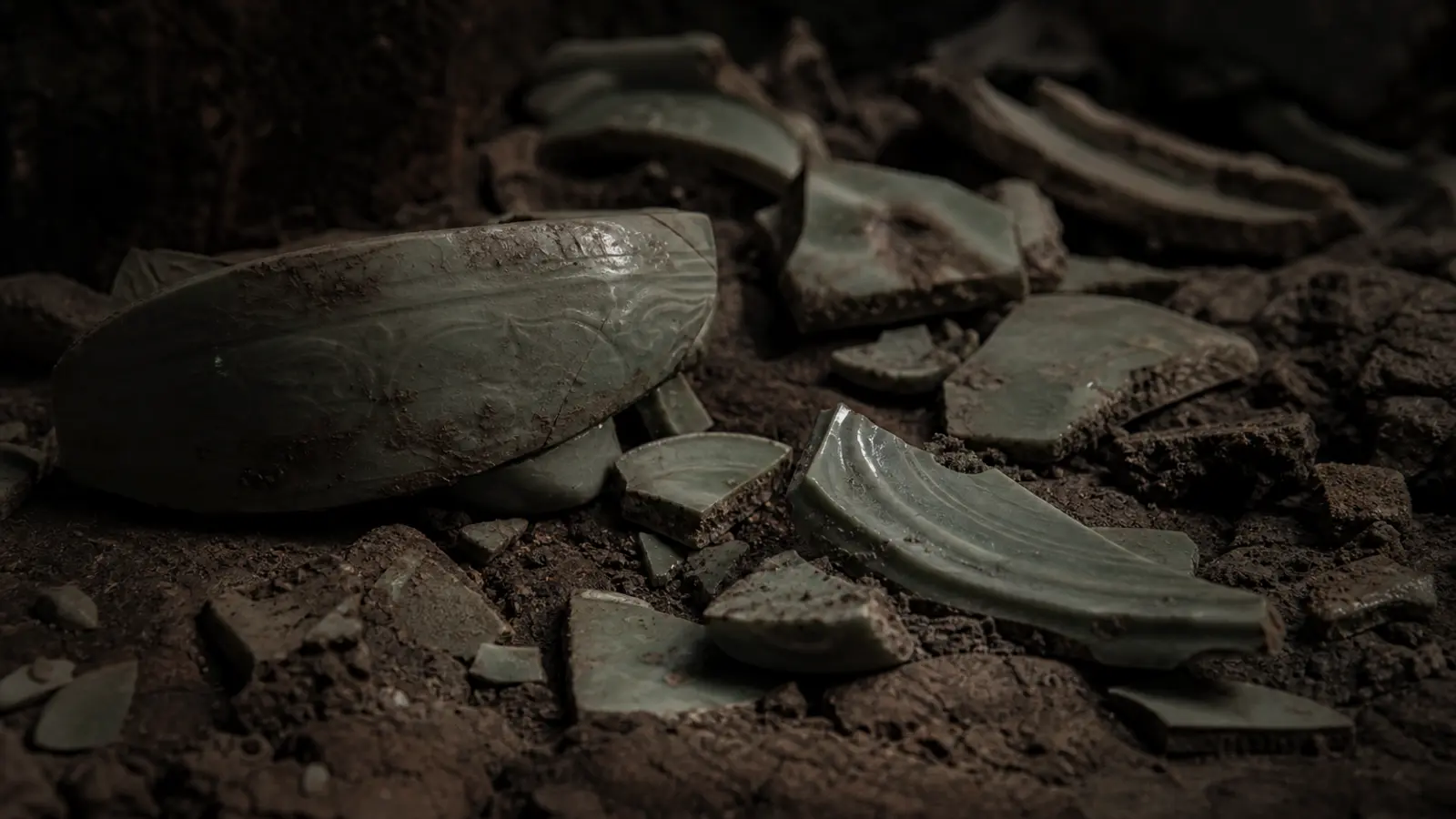
Gangjin: Where Korean Celadon Began
Gangjin is the birthplace of Korean celadon. Explore 180+ kiln sites, the jade-green bisaek glaze, sanggam inlay technique, and the living pottery tradi...
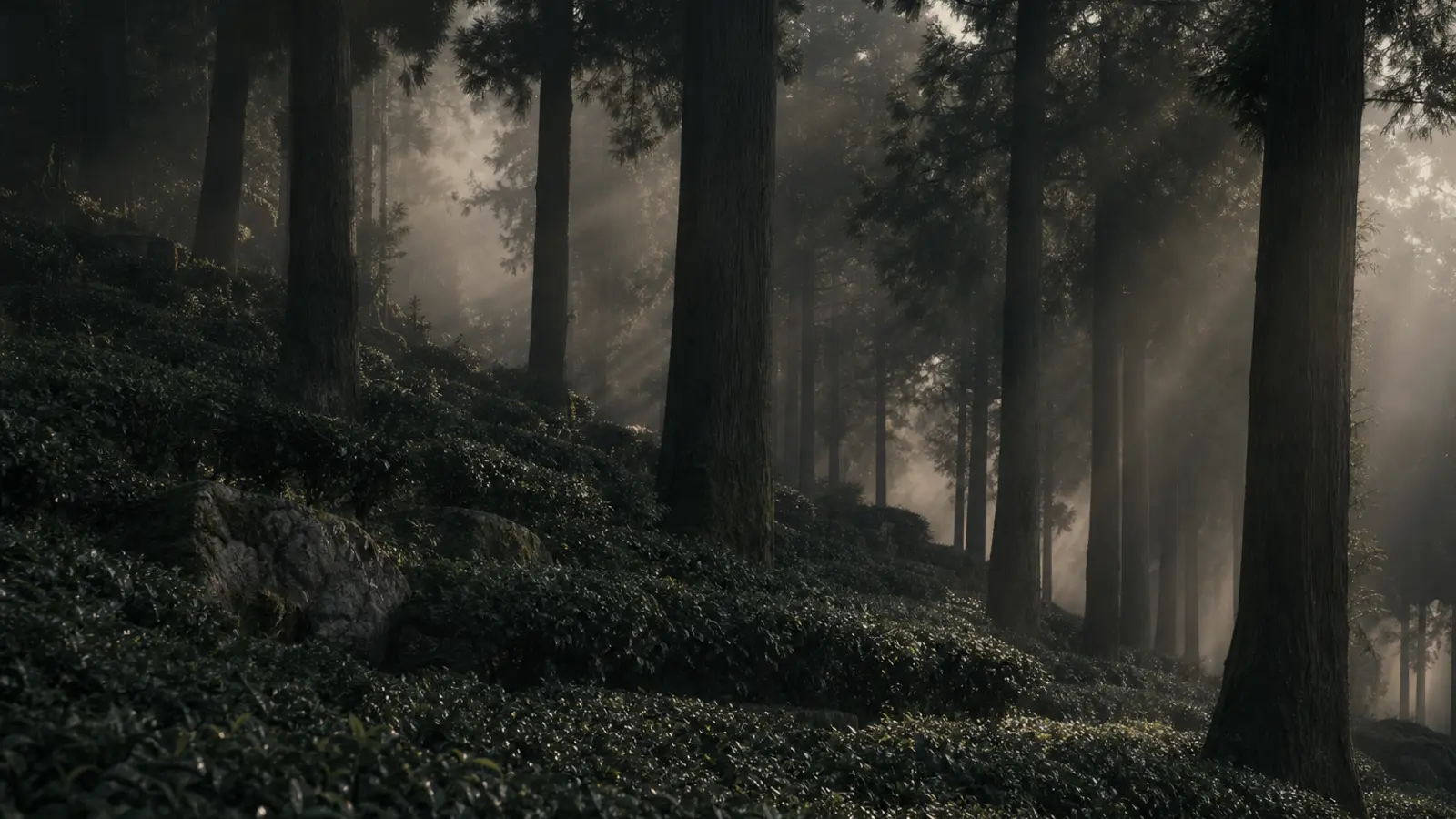
Shan Lin Xi: Forest Oolong Above the Clouds
Shan Lin Xi (杉林溪) produces Taiwan's most distinctive high mountain oolong. Discover why cedar forest terroir creates its signature mint-cedar character.
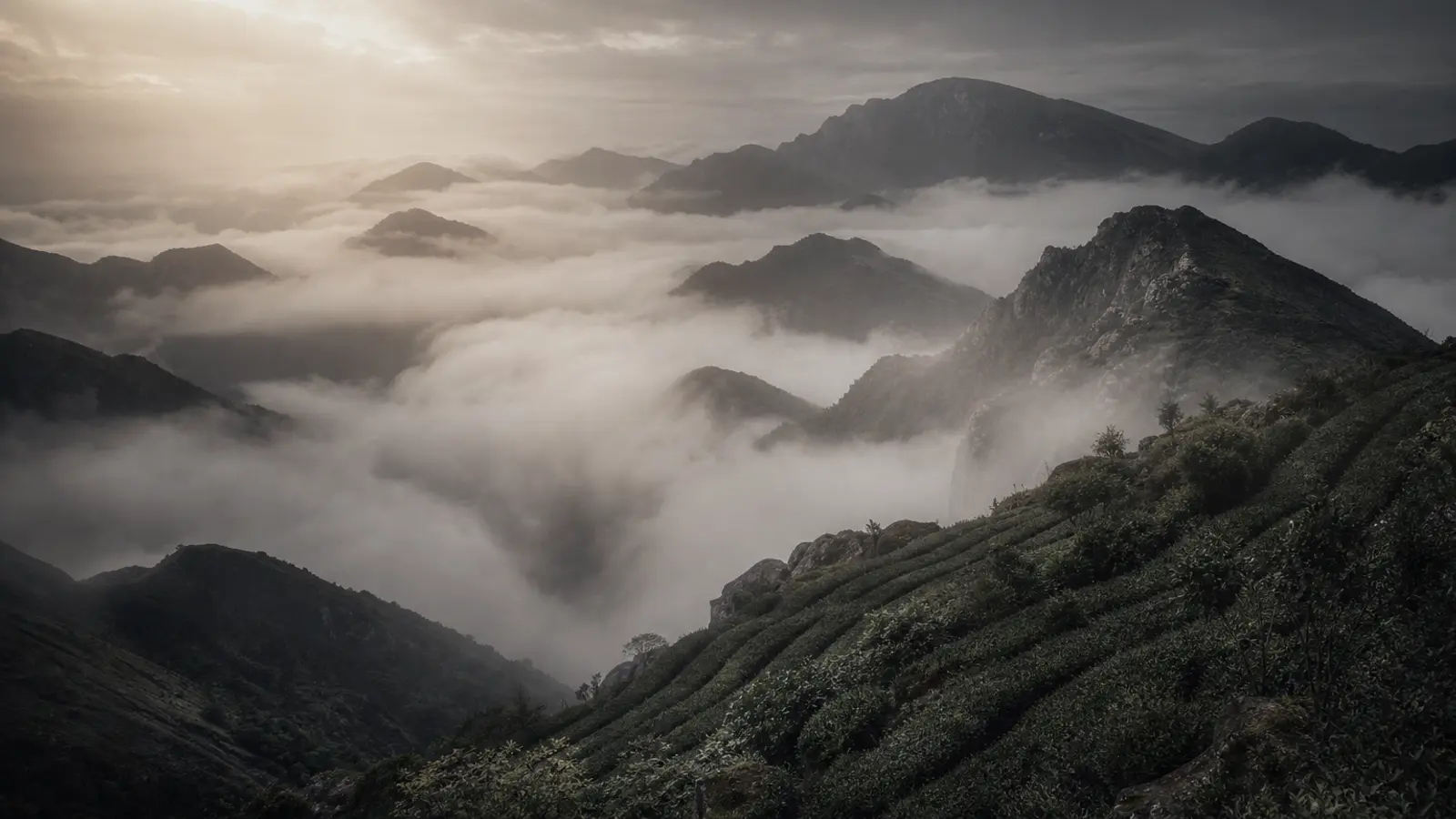
Da Yu Ling: Tea at the Roof of Taiwan
Da Yu Ling (大禹嶺) at 2400m+ is Taiwan's highest oolong origin. Terroir profile covering elevation, flavor, scarcity, and what makes it exceptional.
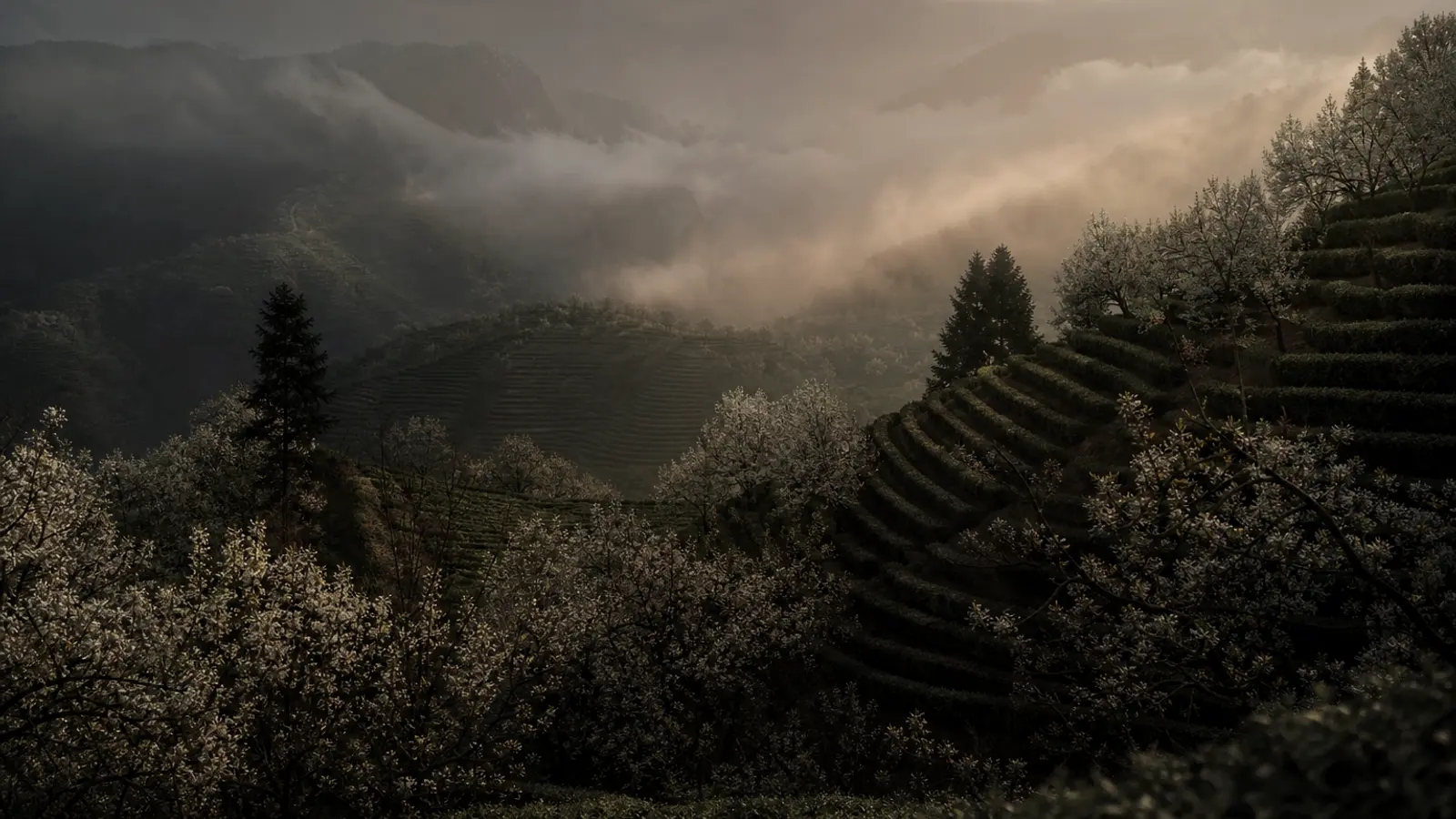
Li Shan Oolong: Pear Mountain and the Art of Concentration
Li Shan (梨山) oolong from Taiwan's Pear Mountain at 1800–2400m. Sub-regions, terroir, flavor profile, and pricing for this elite high mountain origin.
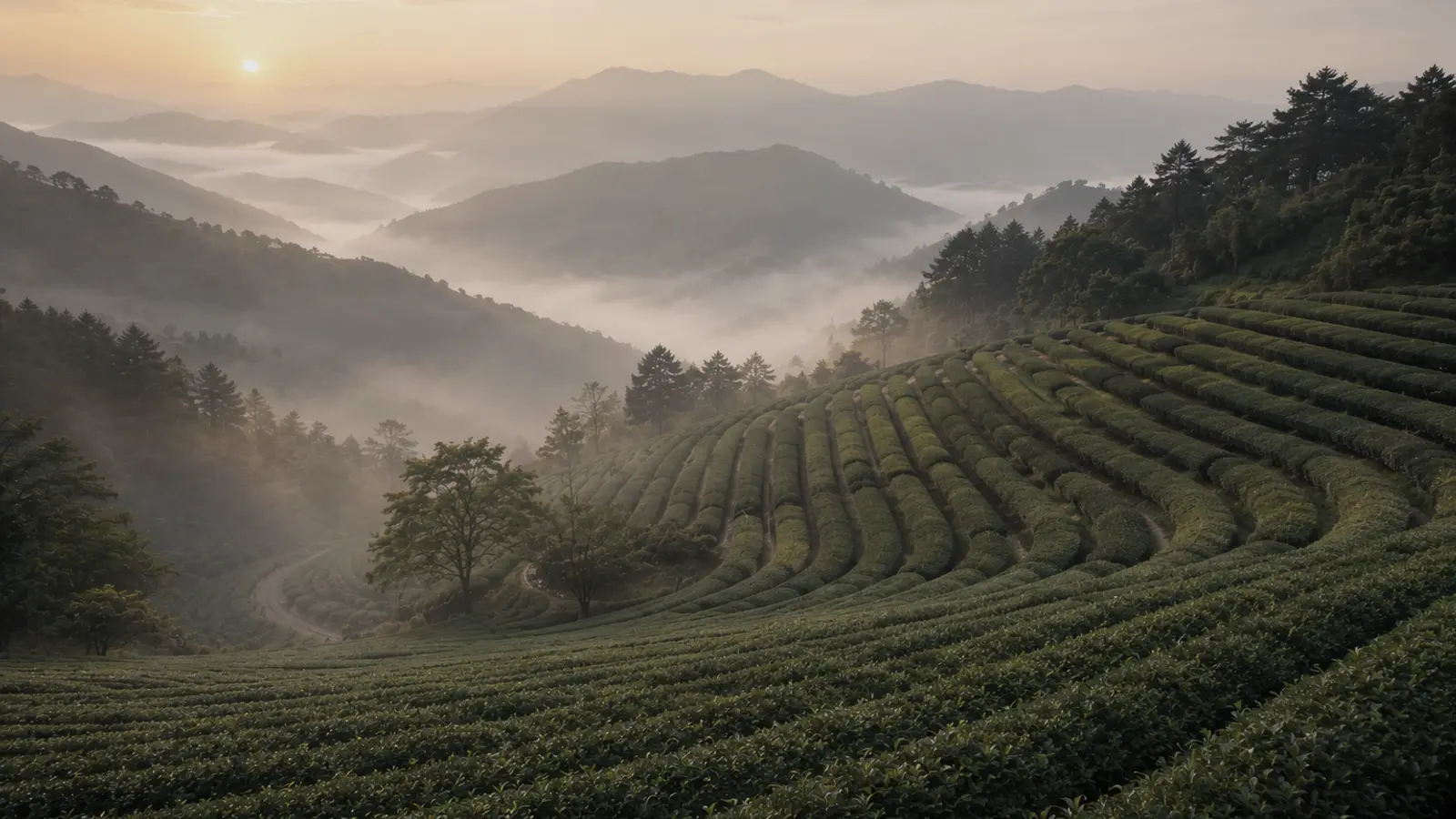
Boseong: The Green Heart of Korean Tea
Boseong produces 40% of South Korea's tea. Explore the terroir, harvest grades, processing traditions, and culture behind Korean green tea's iconic origin.
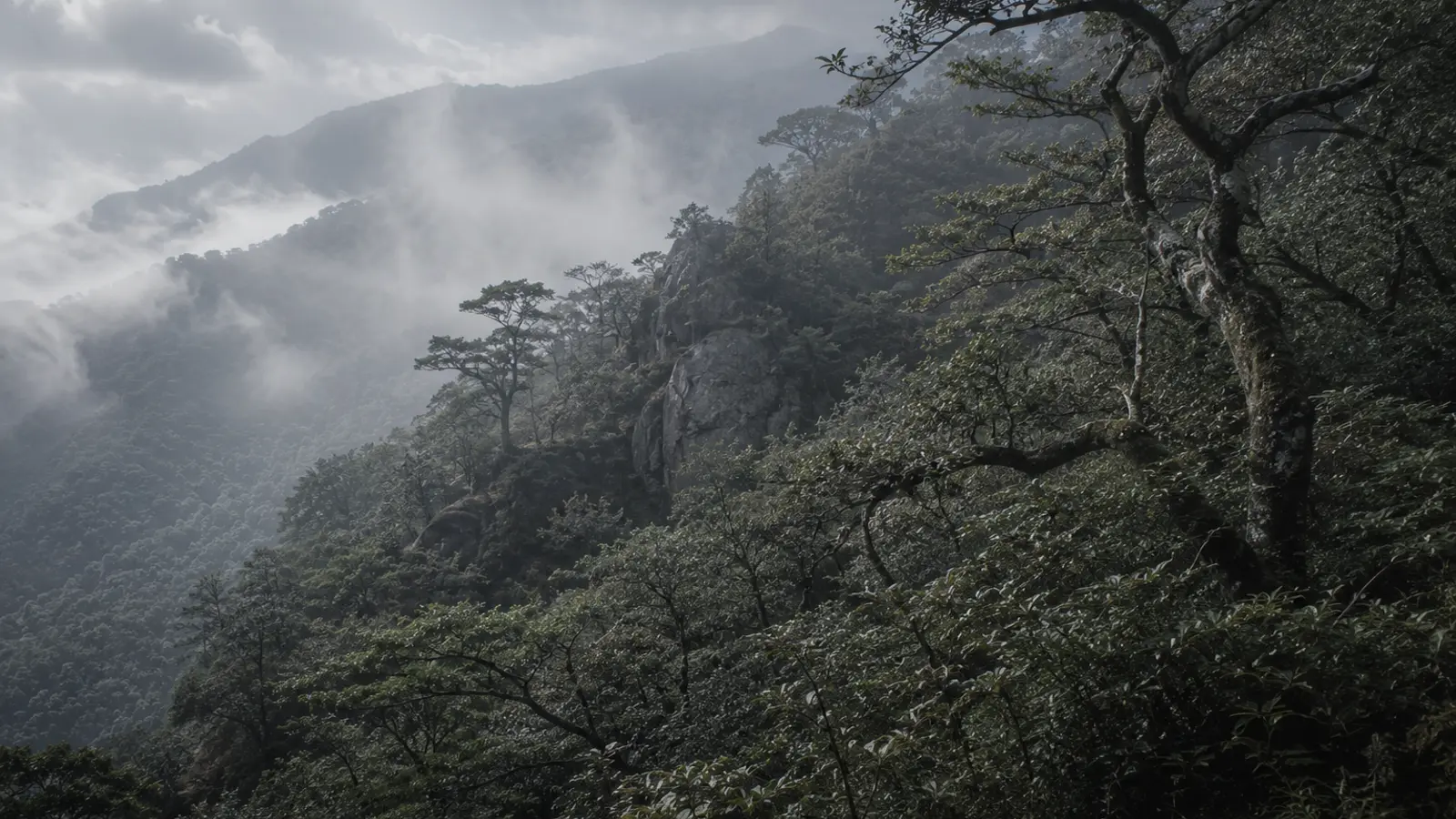
Hadong: Korea's Oldest Tea Mountain
Hadong on Jirisan Mountain holds 1,100+ years of Korean tea heritage. Learn about wild-grown yasaeng-cha, hwangcha, and the Hwagae valley tradition.
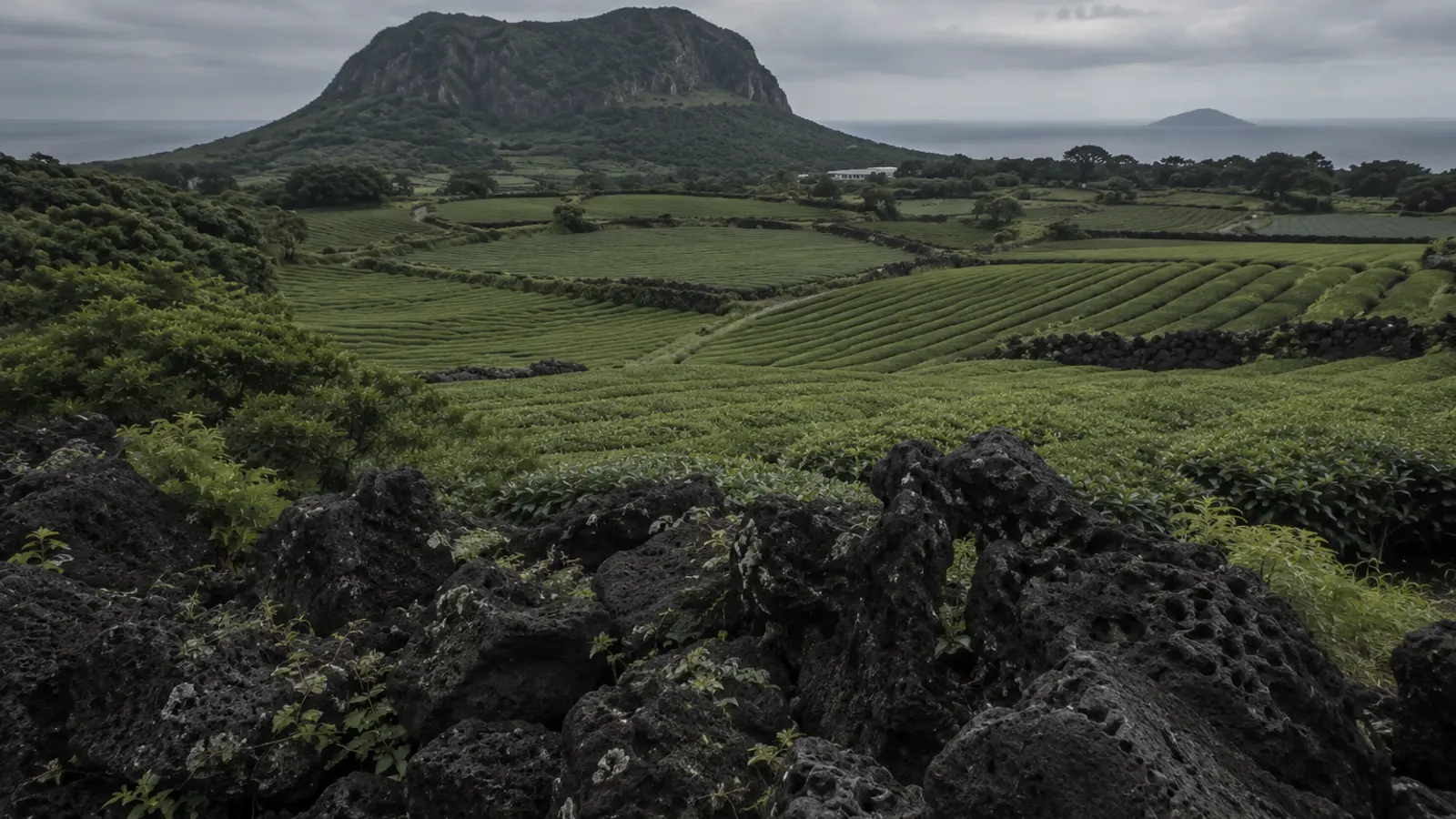
Jeju: Volcanic Island Tea at the Edge of Korea
Jeju island tea grows on Korea's only volcanic soils, producing mineral-driven green tea and hongcha unlike anything from the mainland. A full terroir p...
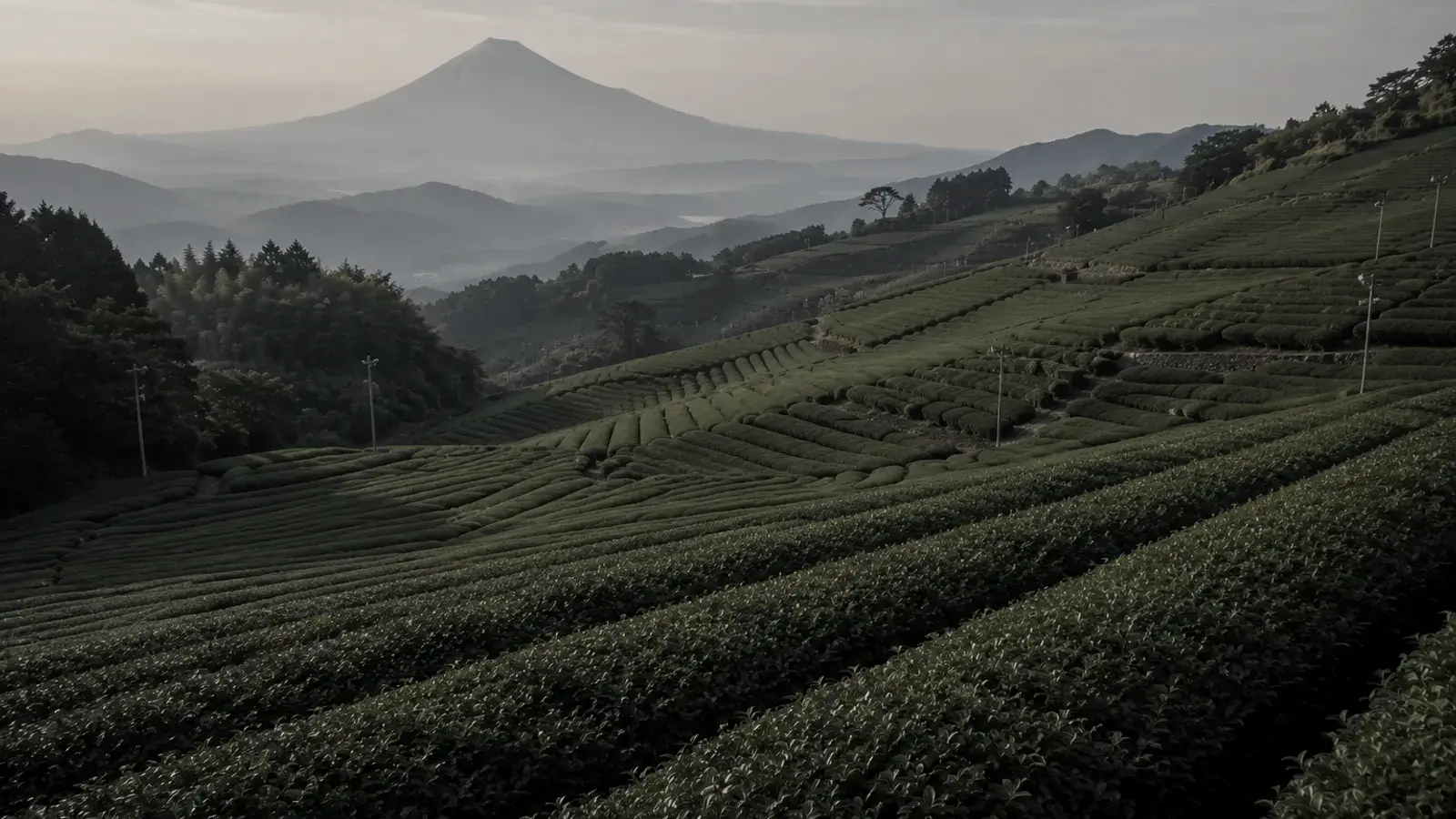
Shizuoka: The Engine Room of Japanese Tea
Shizuoka produces 40% of Japan's tea, from everyday sencha to artisan single-cultivar lots. A complete terroir profile of Japan's most productive tea re...
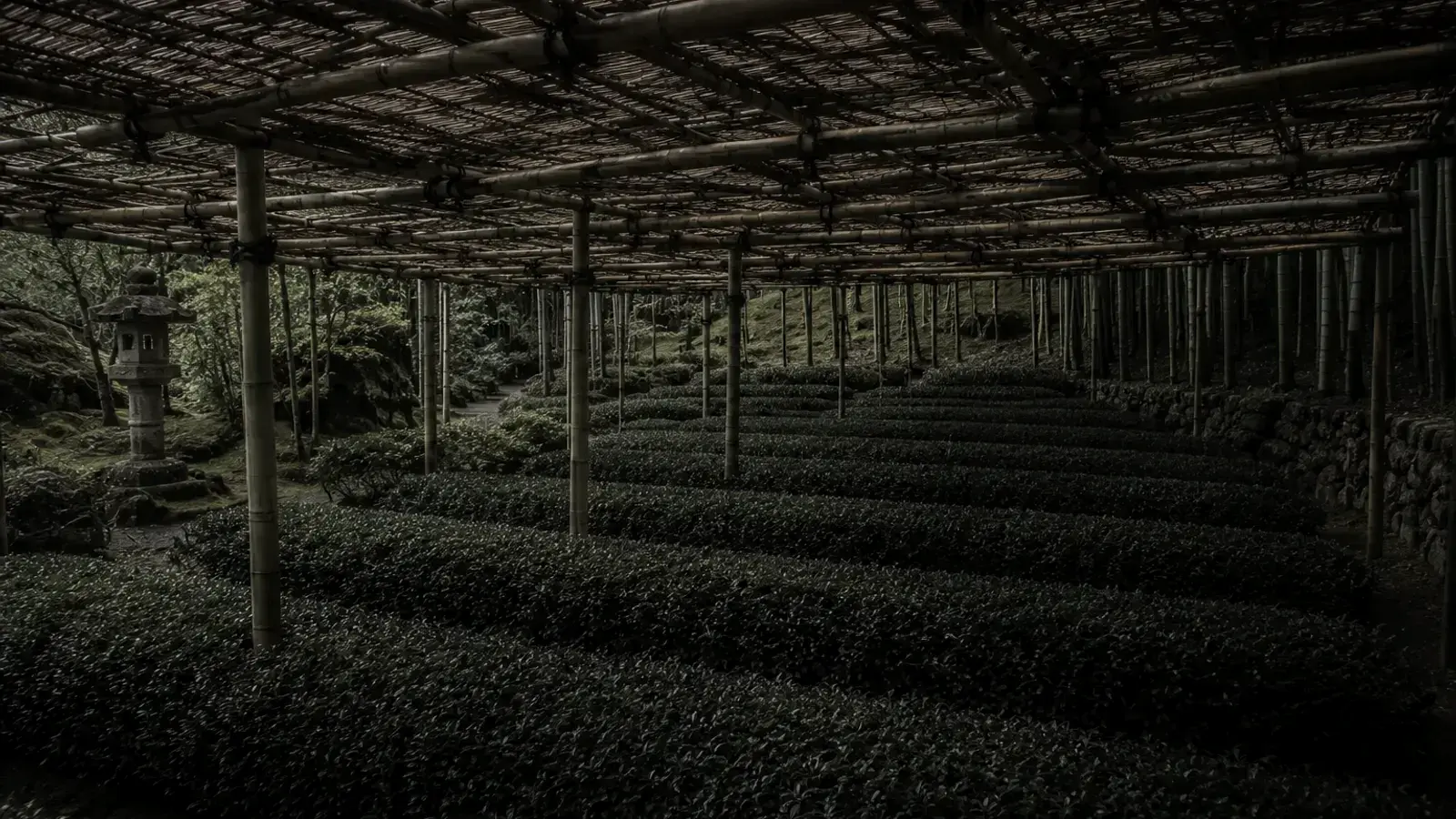
Uji: The Birthplace of Japanese Tea Culture
Uji is Japan's most prestigious tea region—birthplace of matcha, gyokuro, and chado. Discover the terroir, history, and flavor signatures behind uji mat...

Yunnan: The Birthplace of Pu-erh and the Map of Mountains
Yunnan's pu-erh mountains mapped by terroir. Yiwu, Laobanzhang, Jingmai, Bulang, Nannuo, and Menghai — elevation, flavor, and what each mountain puts in...
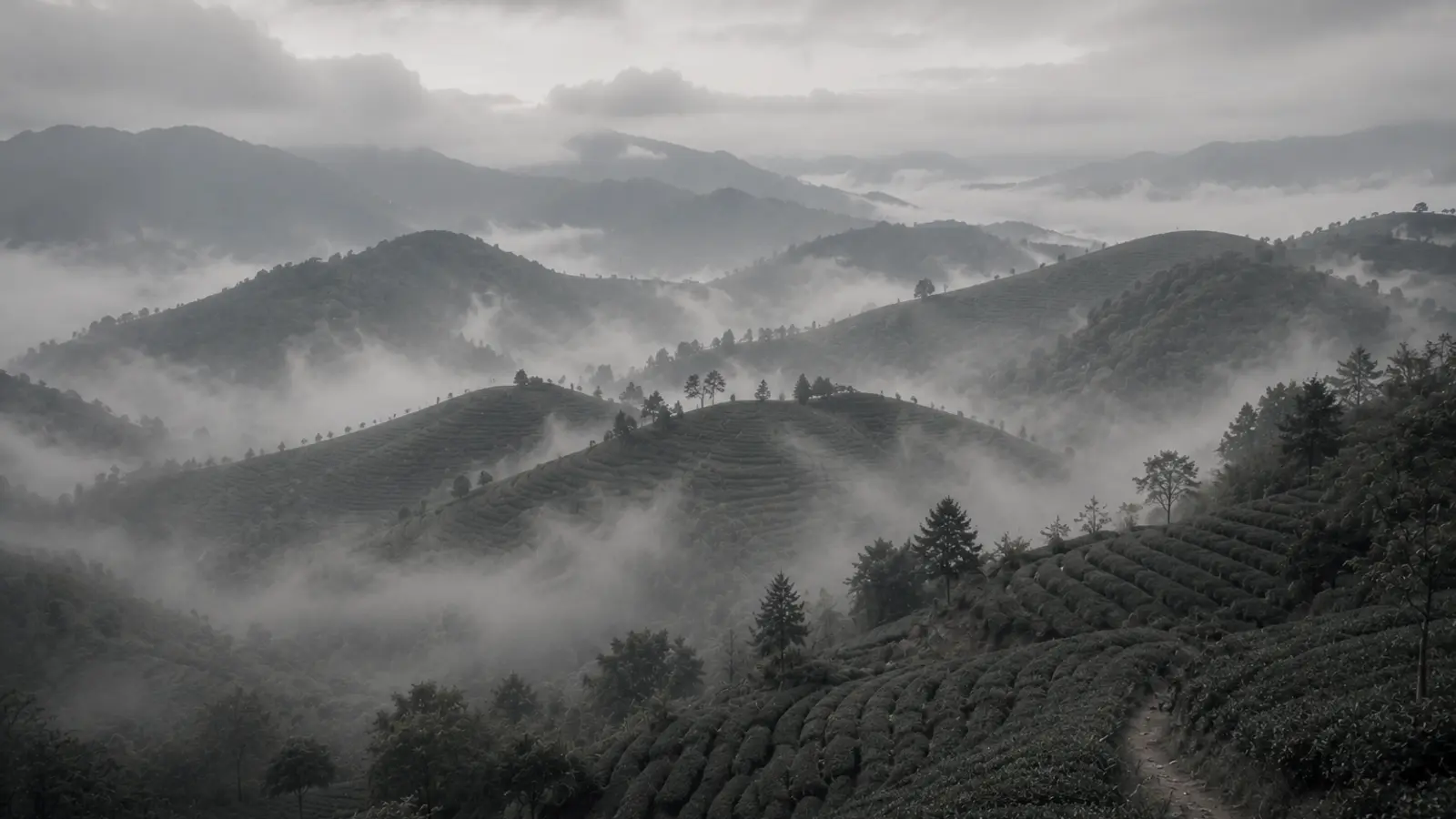
Anxi: Birthplace of the Iron Goddess
Anxi county in Fujian is the birthplace of Tie Guan Yin oolong. Learn its terroir, cultivars, processing traditions, two style profiles, and price ranges.
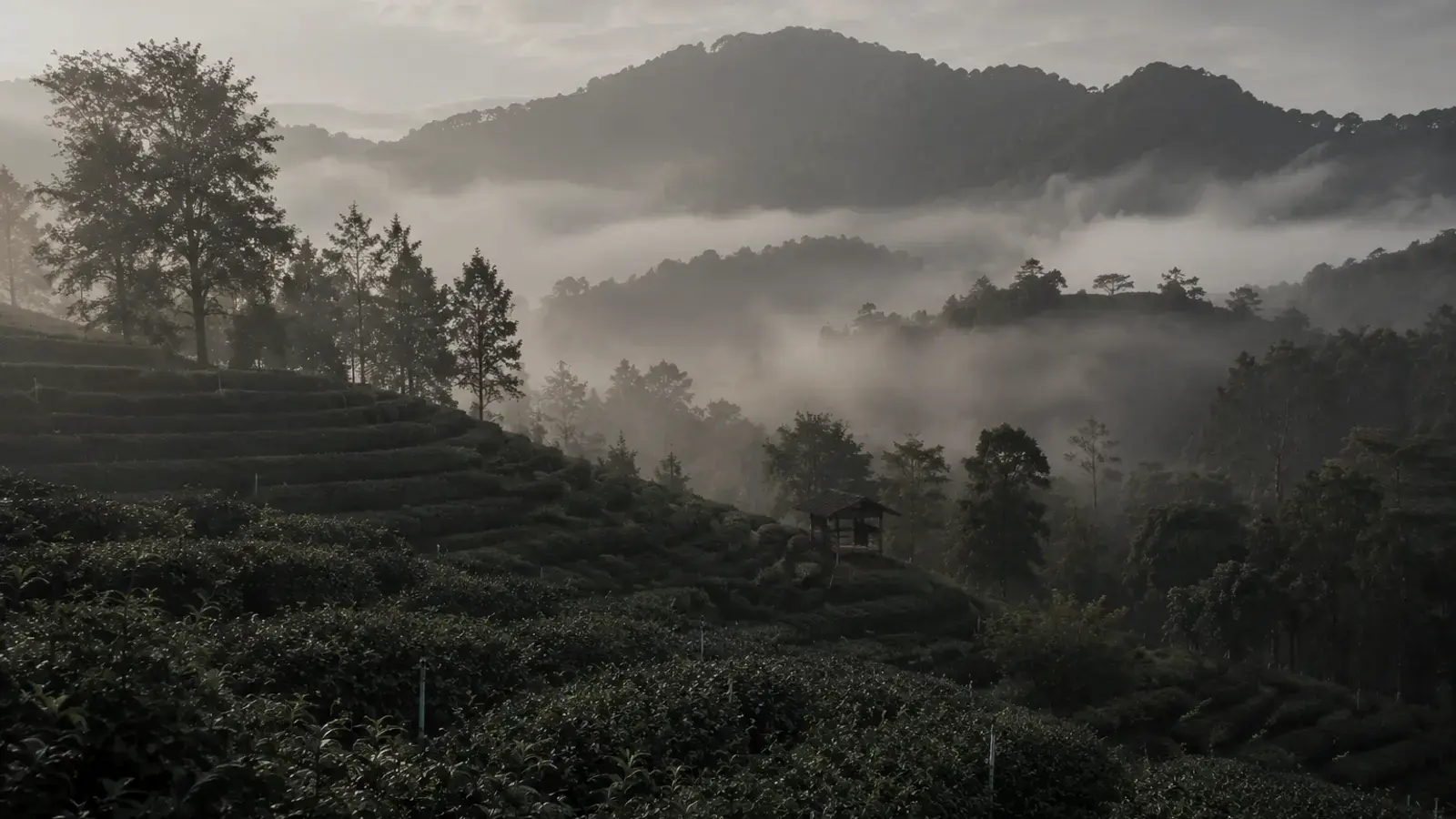
Chiang Rai: Thailand's Ancient Tea Frontier
Chiang Rai's highland tea gardens sit at 1000–1400m on geologically Yunnan-continuous soil. A firsthand origin guide to Thailand's best pu-erh terroir.
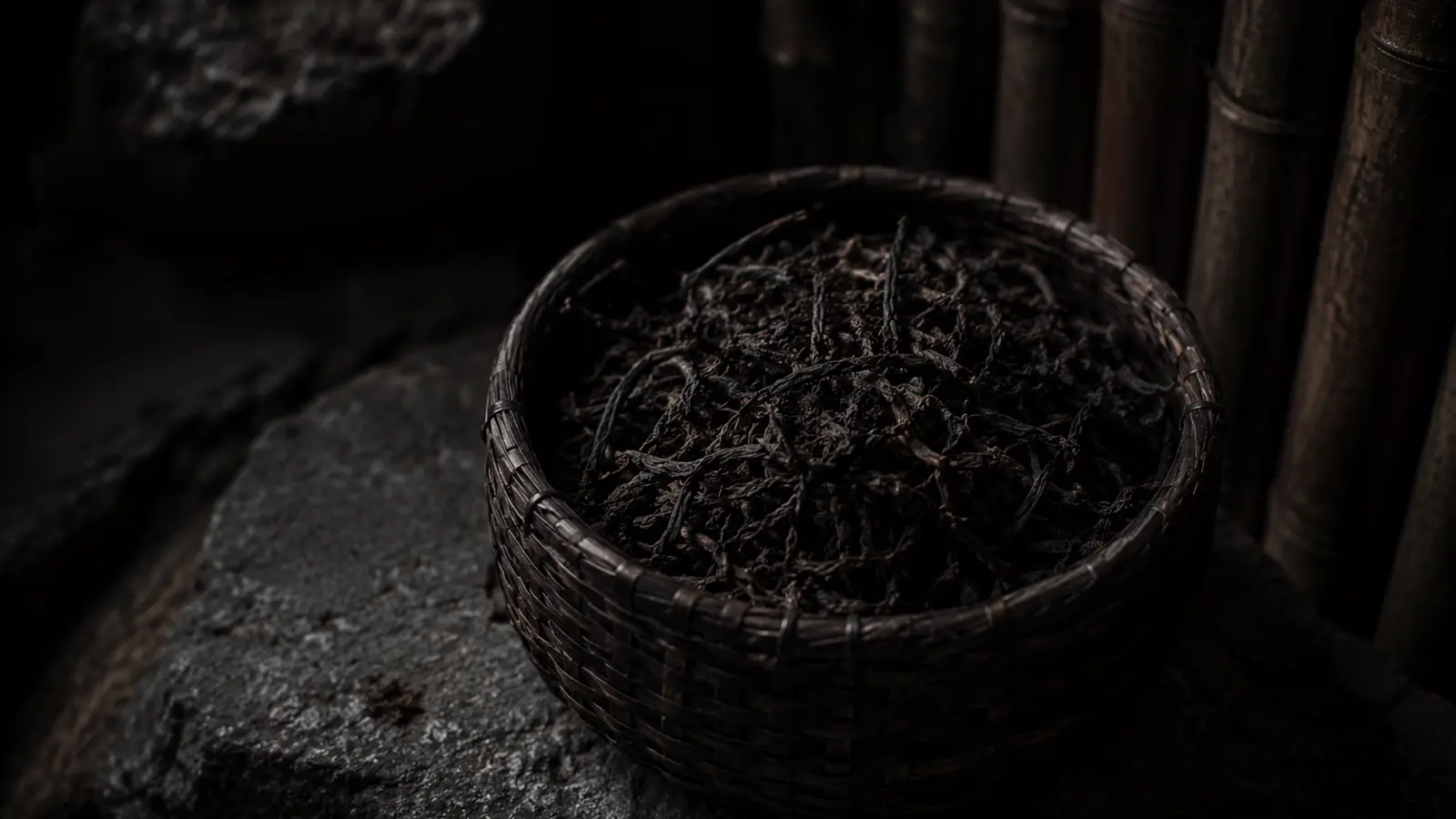
Guangxi: Home of Liu Bao and the Forgotten Dark Tea
A deep-dive terroir profile of Guangxi's Liu Bao tea origin — cultivar, climate, processing, and why aged Liu Bao may be the best value in aged tea.
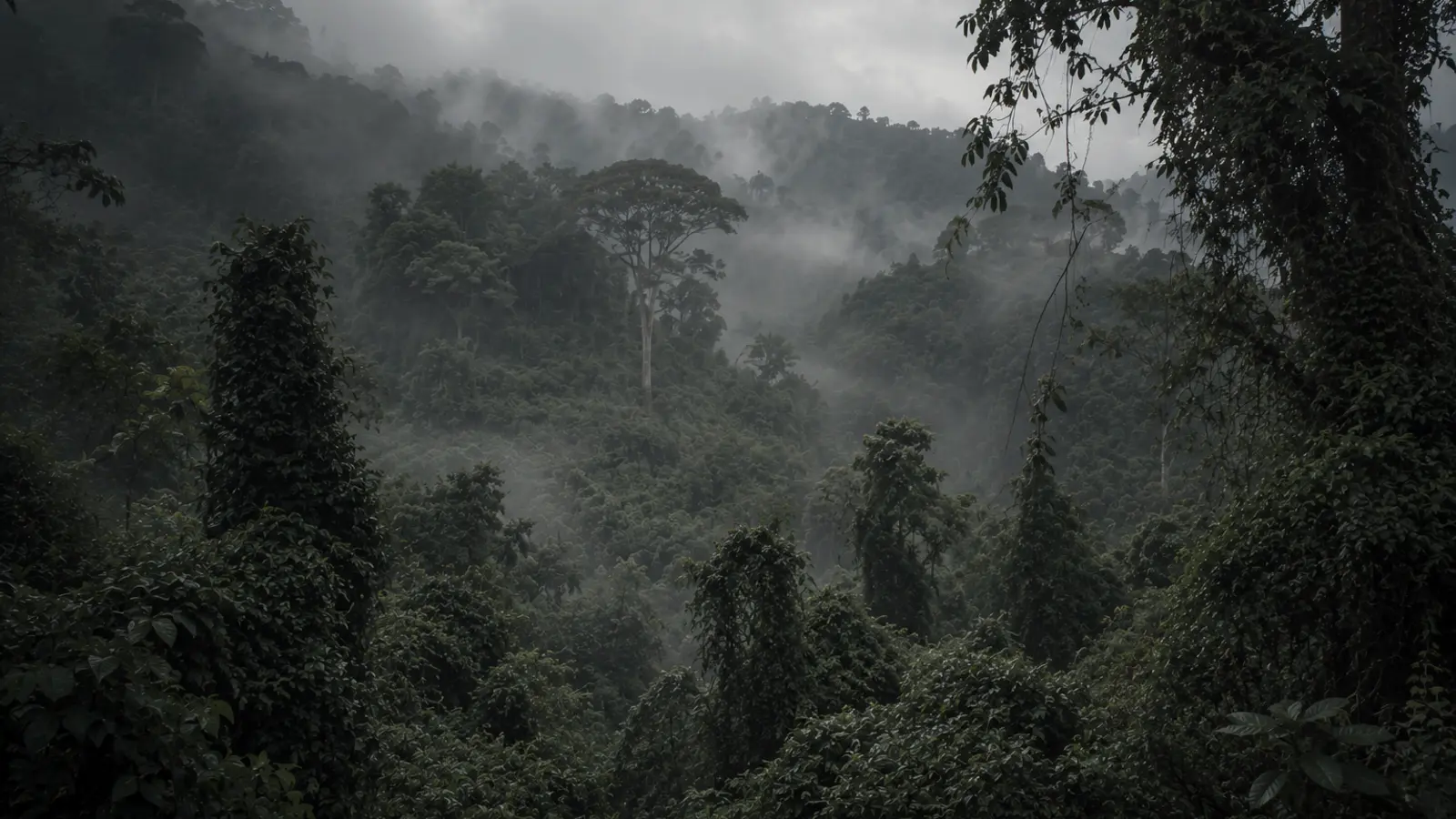
Shan State: The Hidden Frontier of Ancient Tea
A terroir profile of Myanmar's Shan State — home to ancient wild tea trees, ethnic tea traditions, and one of the world's last undiscovered tea frontiers.
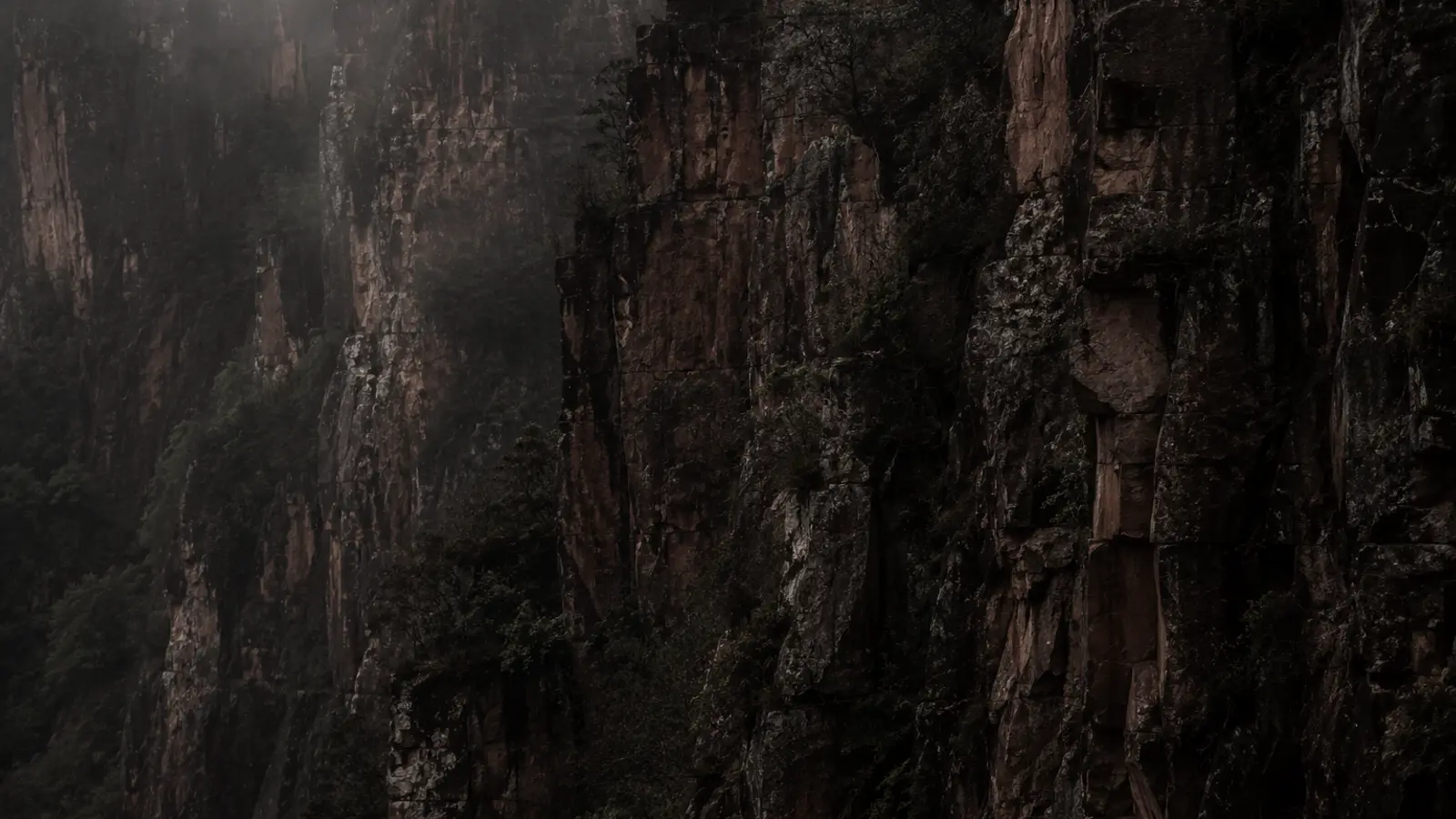
Wuyi Mountains: Where Rock Becomes Tea
A deep terroir profile of Wuyi mountain tea — the geology, cultivars, charcoal roasting, and mineral rock rhyme that make yan cha unlike any other oolong.
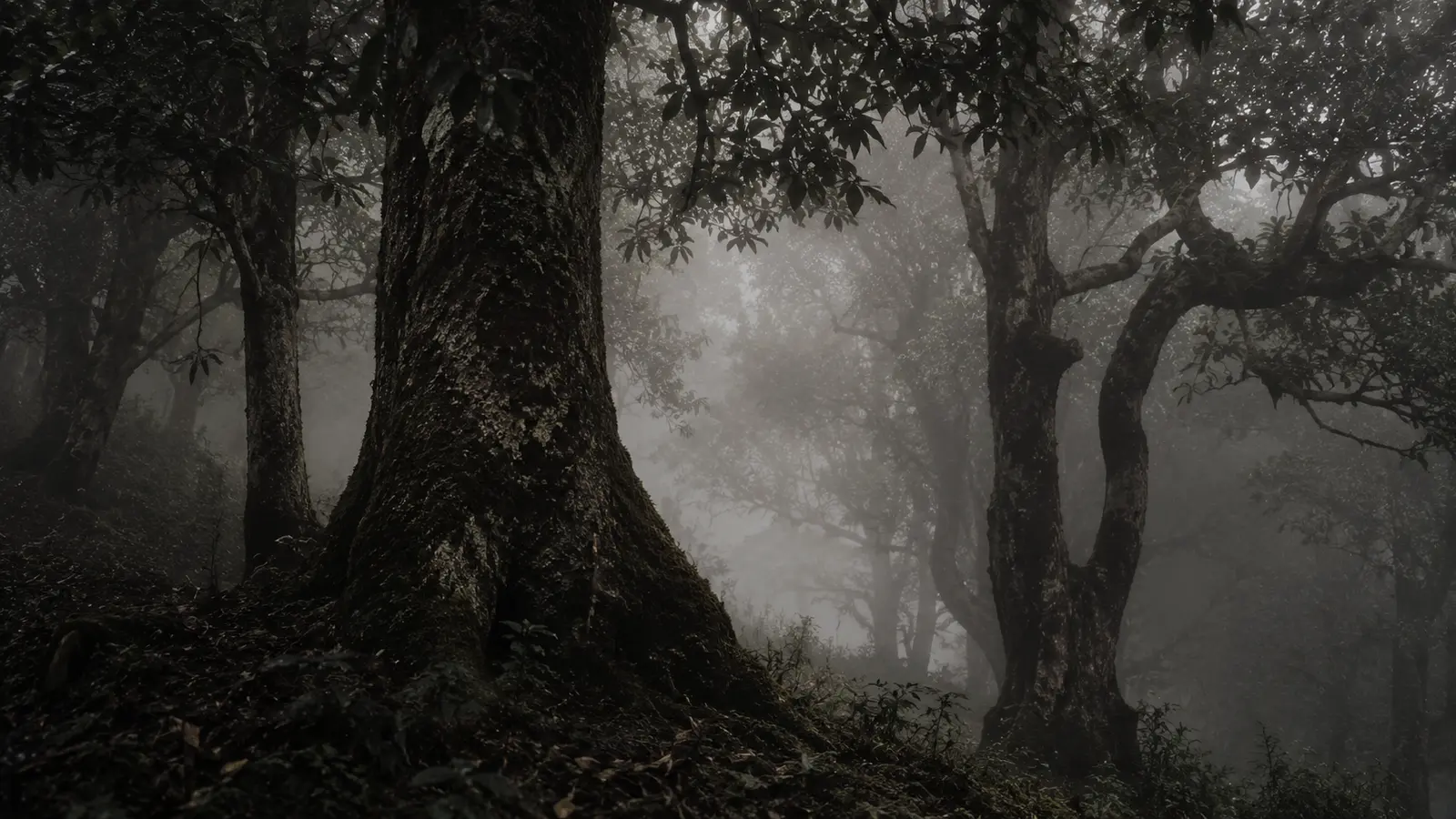
Yiwu: The Elegant Heart of Pu-erh Tea
A complete terroir profile of Yiwu pu-erh: villages, elevation, flavor, aging potential, and how to buy authentic gushu from this legendary Yunnan region.
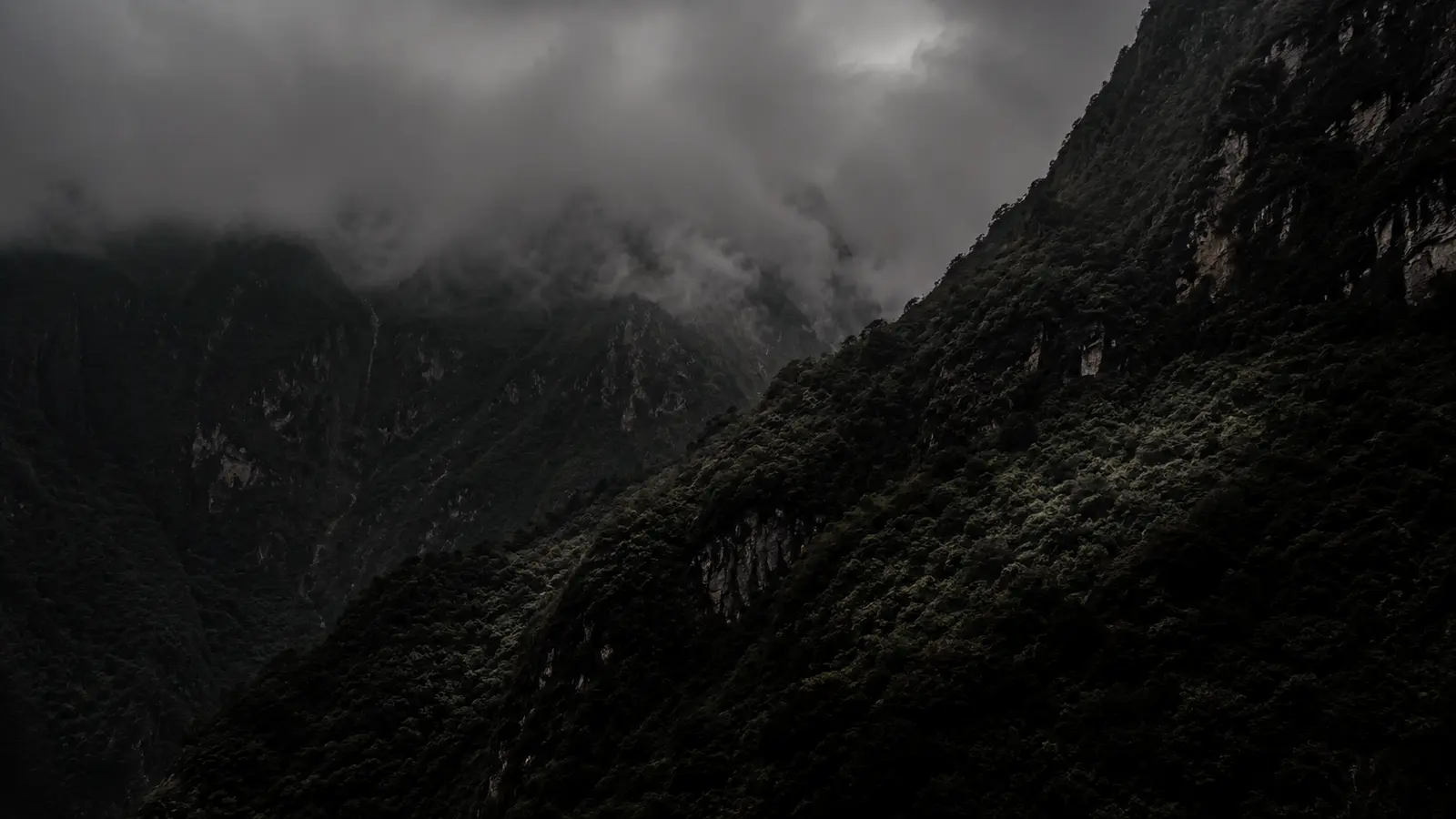
Bulang Mountain: Where Pu-erh Meets Pure Power
Bulang Mountain pu-erh delivers the most powerful bitterness-to-sweetness transformation in tea. A complete terroir guide to Bulang Shan's villages, soi...
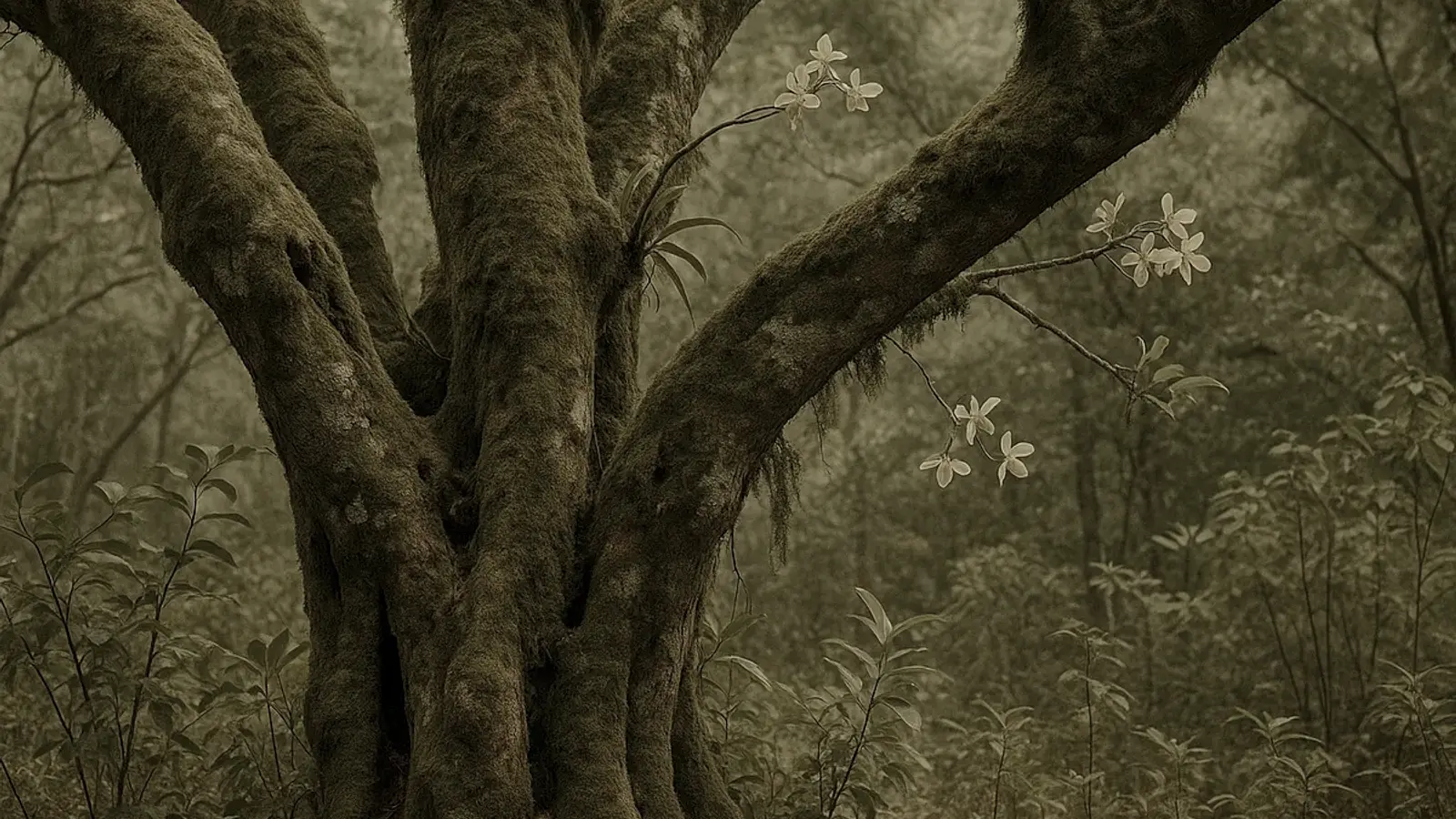
Jingmai Mountain: The Ancient Forest Where Tea Grows Wild
Jingmai pu-erh from Yunnan's UNESCO-listed ancient tea forest: terroir, flavor profile, aging potential, and what makes this floral sheng unique.
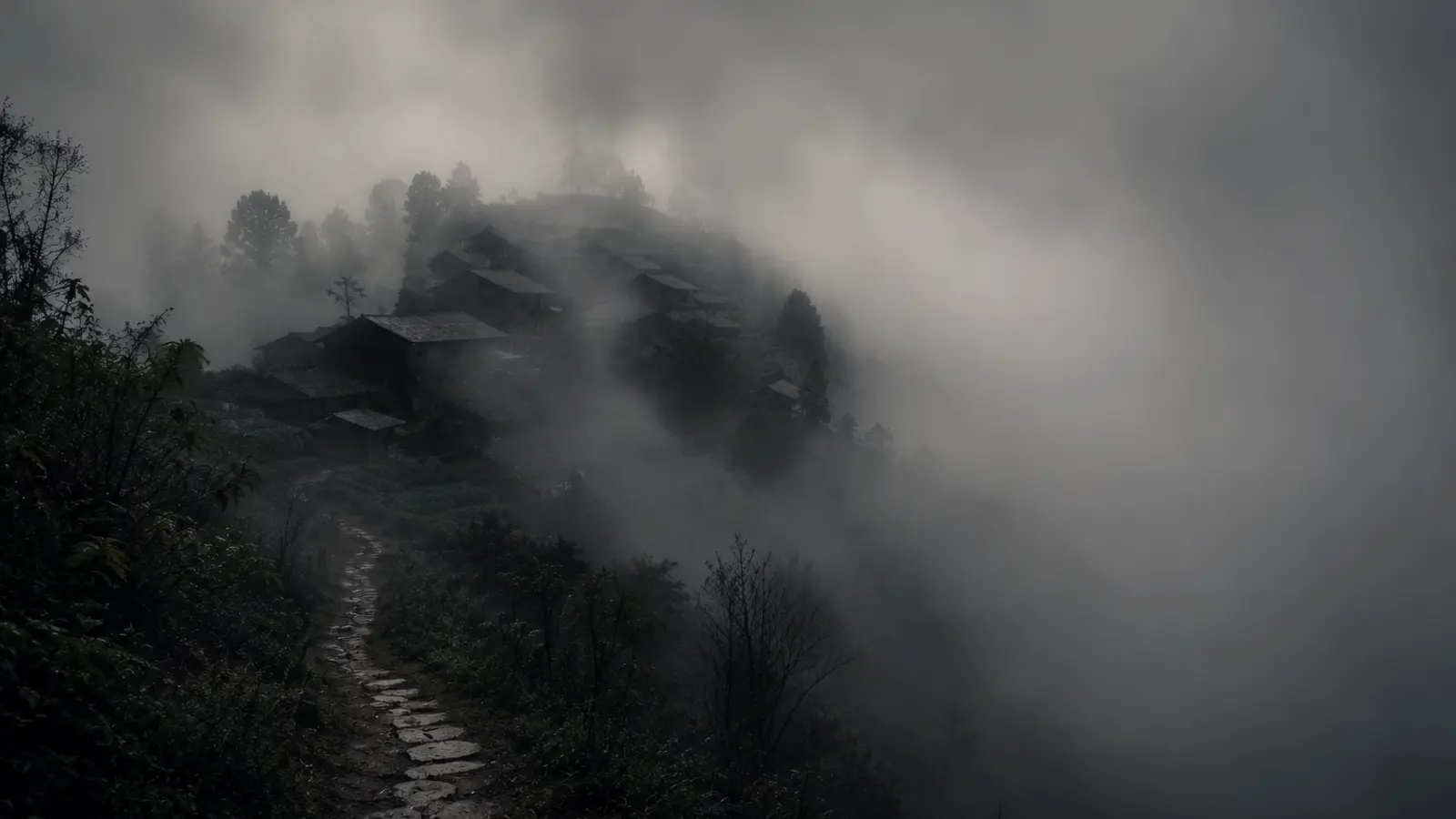
Laobanzhang: The Most Famous and Most Faked Tea on Earth
Laobanzhang pu-erh commands $200+/gram and is faked at industrial scale. Learn the terroir, flavor profile, and authentication of Laobanzhang (老班章).
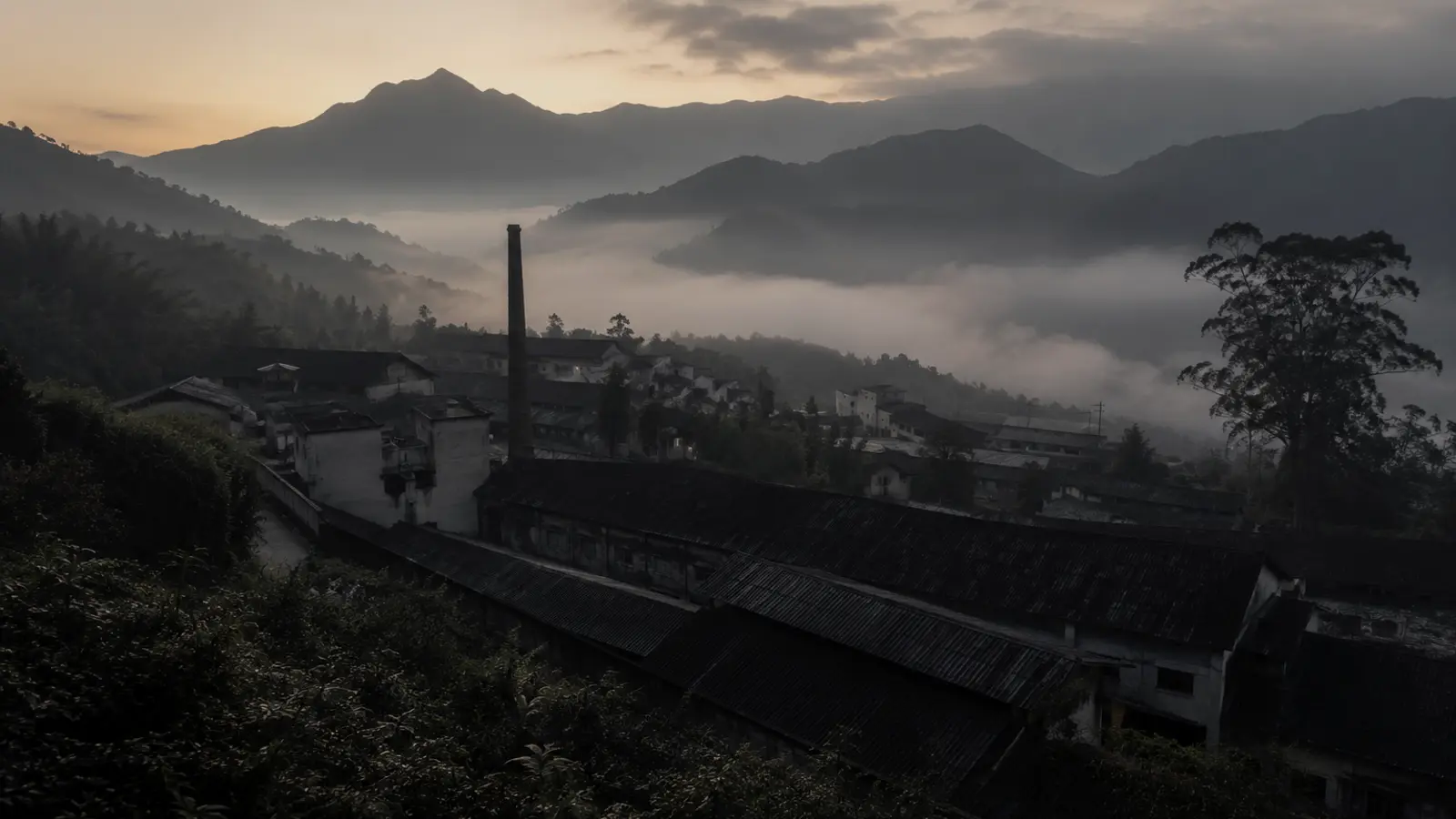
Menghai County: The Factory Floor and the Mountain Behind It
Menghai county is both the home of Dayi, the world's largest pu-erh factory, and a patchwork of ancient-tree mountains. Here's how to read both.
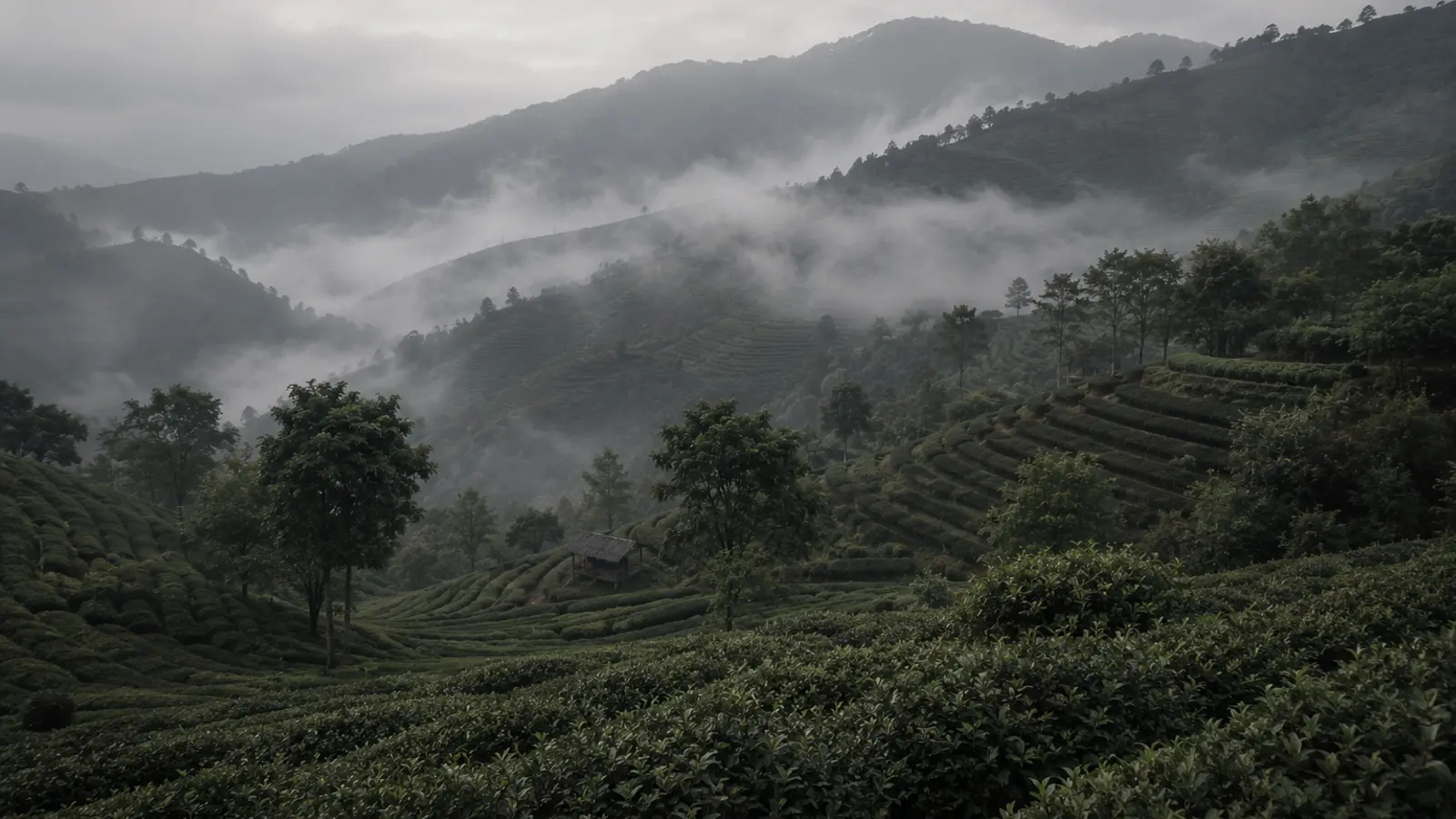
Nannuo Mountain: The Balanced Middle Path of Pu-erh
A deep terroir profile of Nannuo Mountain pu-erh — elevation, soil, flavor, sub-villages, tree age, and how it compares to Yiwu and Bulang.