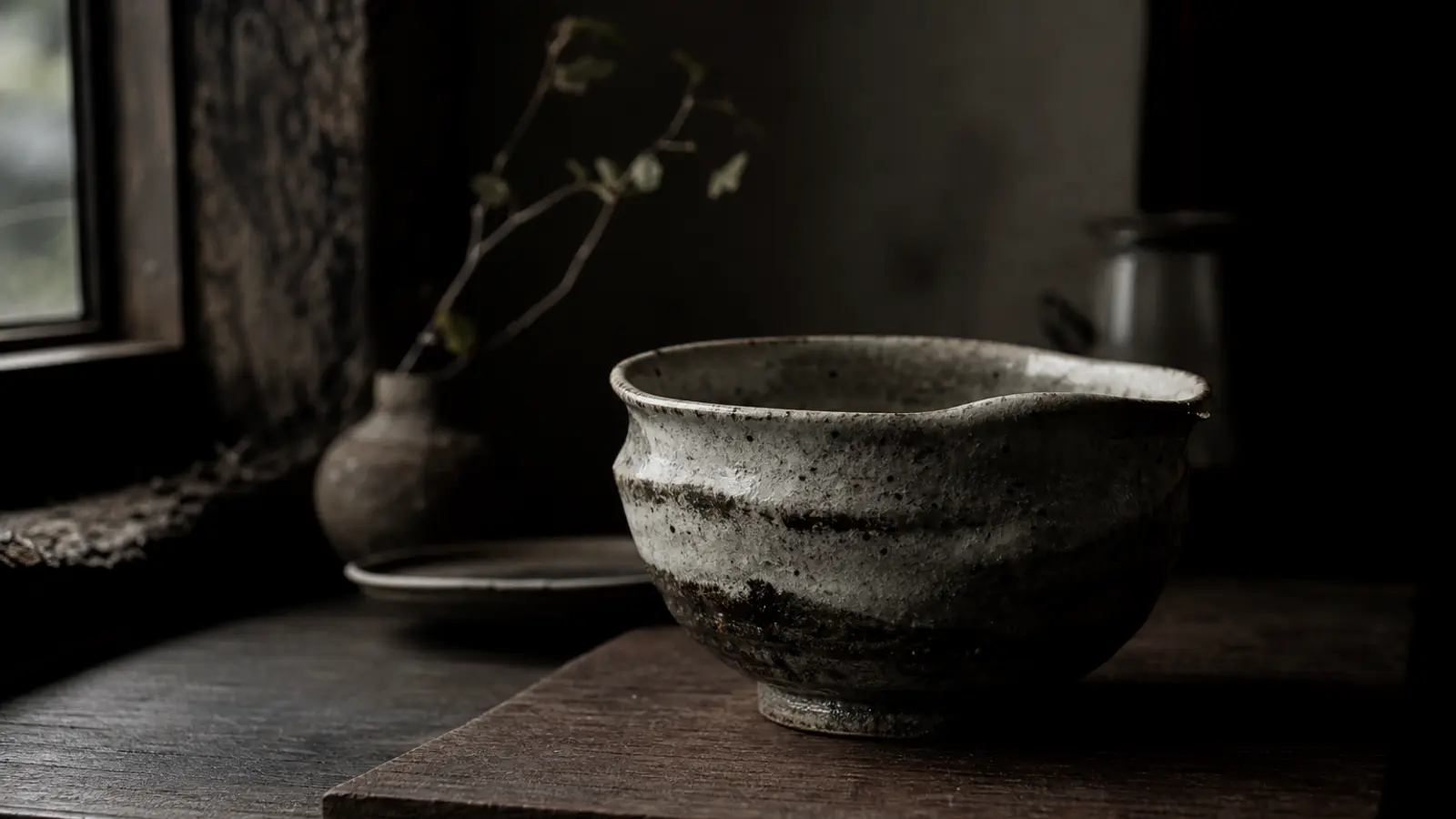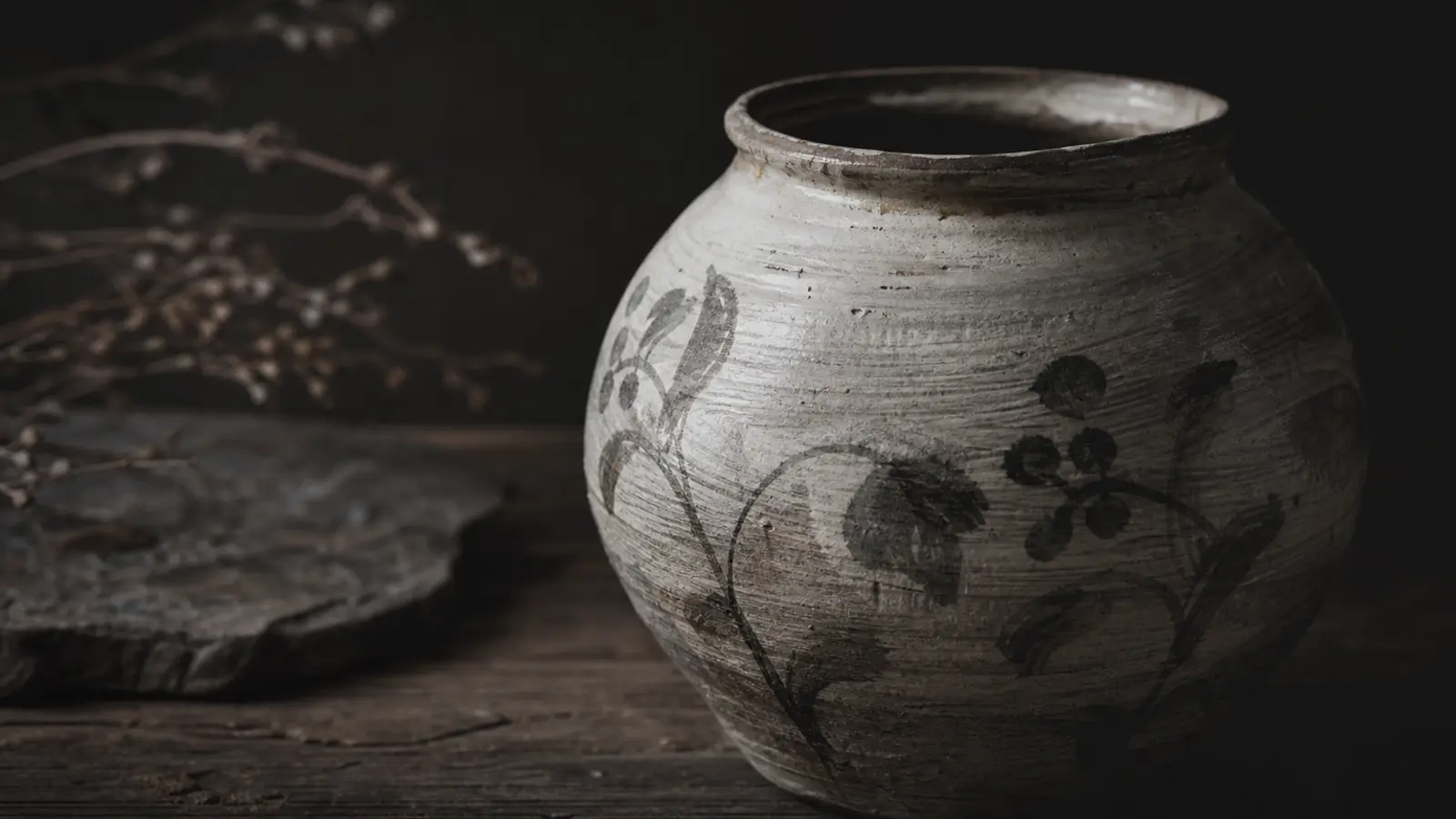
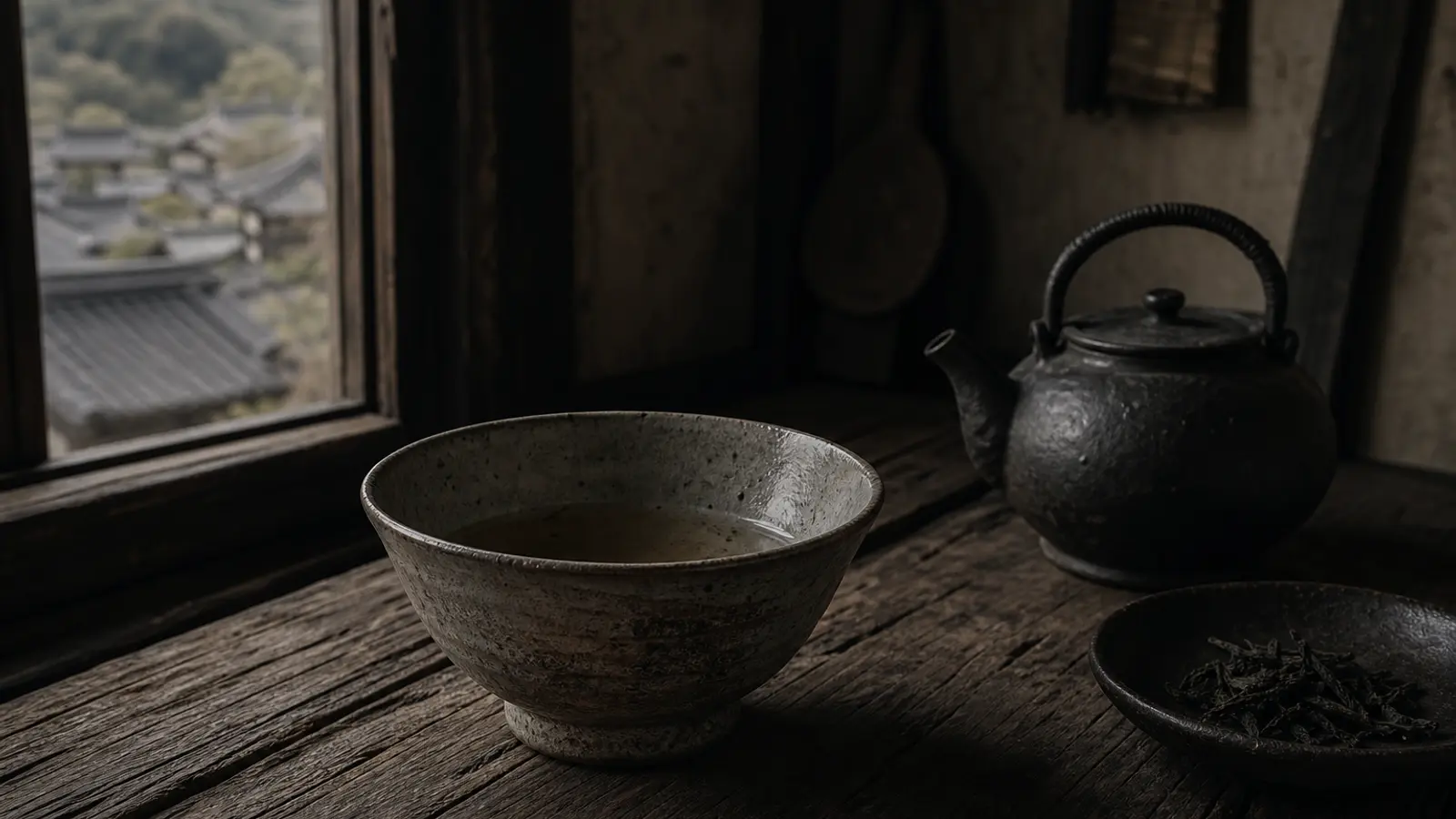
Mungyeong (문경) is the historical center of Korea’s tea bowl tradition — the region where the Joseon-era folk bowls that became Japanese tea ceremony’s most treasured objects were first made. Tucked into the mountainous interior of North Gyeongsang Province (경상북도), this small town has produced sabal (사발, tea bowls) continuously for over five centuries. The mungyeong tea bowls that potters here shape today descend from the same kilns, the same clay, and the same unadorned aesthetic that produced what the Japanese world calls Ido chawan (이도다완) — bowls now classified as national treasures in Japan, worth more per gram than any tea they’ve ever held.
The wine parallel is direct. Mungyeong is like a single commune in Bandol — small, specialized, overlooked by the mainstream, but revered by specialists. The people who know, know. Everyone else drives past.
Geography & Location
Mungyeong sits in the northeastern interior of South Korea, approximately 36.59°N, 128.20°E, in the mountainous corridor between the Sobaek Range (소백산맥) and the Taebaek Range (태백산맥). The town occupies a basin surrounded by peaks, with Mungyeong Saejae Pass (문경새재) — one of the historic three great passes of the Korean peninsula — cutting through the ridgeline to the north.
This is not coastal Korea. It is not Seoul’s sprawl. The landscape is tight valleys, forested slopes, and small agricultural clearings. The ceramics village (도자기마을) where most active potters work today is situated just outside the town center, accessible but quiet — the kind of place where you hear kiln fans and birdsong, not traffic.
The geographic isolation matters. Mungyeong’s potters historically served local farming communities, not royal courts. They made bowls for rice, soup, and makgeolli. The absence of courtly patronage is precisely what produced the unaffected, asymmetric forms that later became so prized. Potters making for peasants had no reason to chase perfection. They chased speed and function, and in doing so created something more profound than perfection.
Climate & Elevation
The town itself sits at roughly 200–300 meters, while surrounding kiln sites and clay sources reach into the foothills at 400–600 meters. The higher peaks of the Sobaek Range nearby exceed 1,000 meters.
Mungyeong’s continental interior climate brings harsh winters, with temperatures regularly dropping below -10°C in January, and warm, humid summers pushing above 30°C. Annual rainfall averages around 1,200 mm, concentrated heavily in the monsoon months of July and August. The pronounced four-season cycle is relevant to ceramics production: traditional wood-firing schedules historically followed seasonal rhythms, with major firings timed around autumn harvests when wood fuel was abundant and humidity was dropping.
The dry winters and cold snaps also affect clay preparation. Potters in Mungyeong have long used winter freezing as a natural weathering process for clay — exposed clay bodies left through freeze-thaw cycles break down more evenly, producing a workable material with fewer hidden air pockets.
Soil & Terroir
The geological foundation of Mungyeong ceramics is the region’s iron-rich clay. The mountain soils here, weathered from the granite and metamorphic bedrock of the Sobaek Range, yield clay bodies high in iron oxide and feldspathic minerals. This is what gives Mungyeong bowls their characteristic warm, reddish-brown body color when fired — the color the Japanese call biwa-iro (枇杷色), loquat skin.
The local clay is coarse by porcelain standards. It contains natural grit — fine sand and mineral inclusions that would be considered flaws in Jingdezhen or Arita. In Mungyeong, this roughness is the point. The texture creates the tactile experience (手感, sugam in Korean usage) that tea practitioners value: a bowl that grips slightly against the palm, that holds warmth unevenly, that develops an unpredictable surface over years of use.
Potters also source wood ash from local pine forests for glazes. The combination of iron-bearing clay and pine ash, fired in a reducing atmosphere inside a climbing kiln (등요, deungyo), produces the entire spectrum of classic Mungyeong surfaces — from pale straw to deep olive to the prized bluish-gray flash where flame kissed the bowl directly.
Think of it as terroir in the truest sense. The clay is local. The ash is local. The wood fuel is local. A Mungyeong bowl is, chemically and materially, a product of this specific valley in a way that a factory-glazed bowl from an industrial supply chain simply cannot be.
Key Cultivars & Tea Types
Mungyeong is a ceramics origin, not a tea-growing region — the interior mountain climate is too cold for reliable Camellia sinensis cultivation. But the bowls produced here have been vessels for virtually every form of Korean tea drinking.
The primary ceramic form is the sabal (사발), sometimes specified as mak-sabal (막사발) to indicate the rough, unpretentious folk-style bowl. Related forms include:
- Dawan (다완, 茶碗) — the tea bowl form specifically, often slightly smaller and more refined than a rice sabal but sharing the same DNA
- Ido-type bowls (이도다완) — characterized by a conical shape, prominent foot ring (굽, gup), and the distinctive “loquat skin” glaze that pools and crawls around the foot
- Gohiiki (御本) style — bowls with a pinkish flush from iron reduction, named by Japanese collectors
These bowls are used across Korean tea practice for brewing and drinking balhyocha (발효차, fermented/oxidized tea), nokcha (녹차, green tea), and increasingly for Korean-produced hwangcha (황차, yellow tea). In Japanese contexts, the same forms serve matcha (抹茶) and are classified among the highest tier of chawan.
Processing Traditions
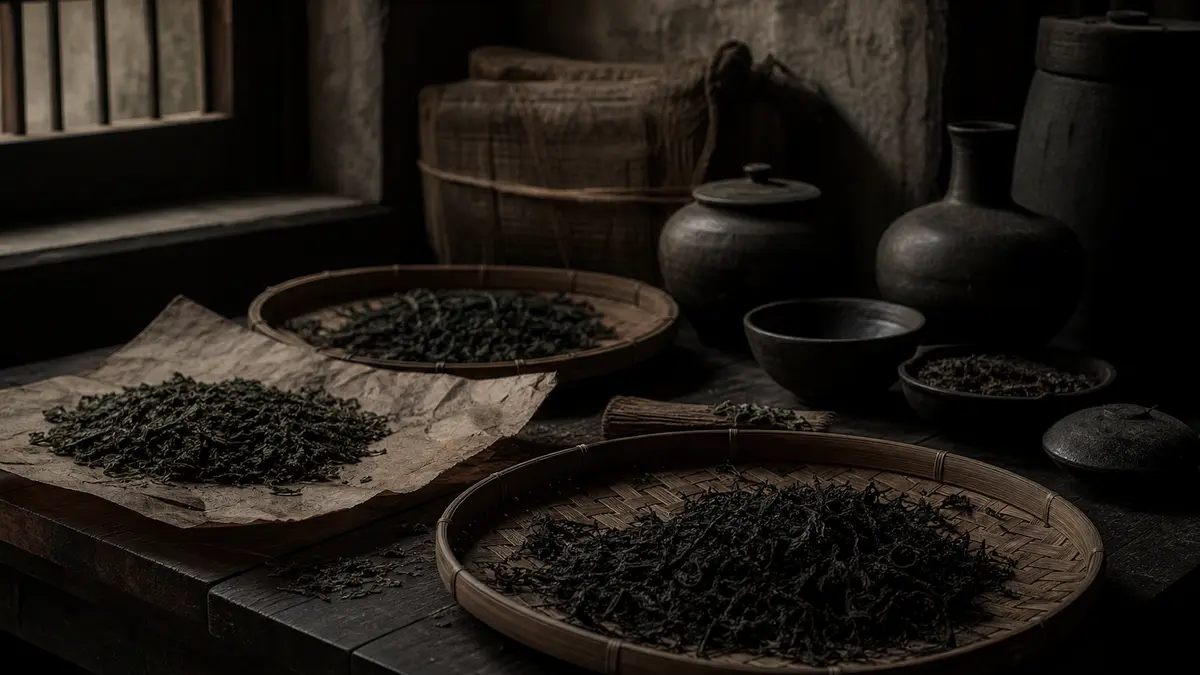
“Processing” for a ceramics origin means the kiln traditions and forming techniques passed between generations.
Mungyeong’s potters predominantly use kick wheels (물레, mullae) for throwing, though some senior potters still form bowls partially by hand-coiling for deliberate irregularity. The characteristic Mungyeong form is thrown quickly — the marks of the potter’s fingers left visible on the interior, the foot trimmed with a few decisive cuts of a bamboo tool rather than refined to geometric precision.
Glazing
Three dominant glaze traditions define the Mungyeong surface:
- Ash glaze (잿물유, jaenmul-yu) — wood ash mixed with feldspar and water, producing translucent straw-to-olive surfaces
- Iron glaze (철유, cheol-yu) — iron-oxide-rich slip creating dark brown to black surfaces, sometimes with dramatic tenmoku-like oil-spot effects
- Natural ash deposit (자연유, jayeon-yu) — in wood-fired kilns, volatile ash from the fuel lands on the bowl surface and melts in place, creating unpredictable glass-like drips and flashing
Firing
Traditional Mungyeong kilns are climbing kilns (등요, deungyo) — long, slope-built chambers that use natural updraft to reach temperatures of 1,250–1,300°C over multi-day firings. A full wood firing takes three to five days of continuous stoking, typically with local red pine (소나무, sonamu). The position of each bowl within the kiln determines its final character: pieces near the firebox receive the most ash and flame, producing dramatic natural effects, while pieces further back fire more evenly.
Many contemporary Mungyeong potters also use gas kilns for consistency and cost, but the most sought-after work — and the pieces that command premium prices at the festival — comes from wood-fired kilns. The difference is audible: tap a wood-fired Mungyeong bowl and it rings with a slightly duller, more complex tone than its gas-fired counterpart, a result of the subtly varied atmosphere inside the kiln during that long burn.
Characteristic Flavor Signatures
This heading requires reframing for a ceramics origin: the “flavor signature” of a Mungyeong bowl is the aesthetic and tactile experience it brings to tea drinking.
A well-made Mungyeong sabal changes the tea session. The rough interior surface nucleates tiny bubbles in whisked matcha differently than a smooth Mino or Seto bowl. The thick walls retain heat longer — I’ve measured surface temperatures holding 3–4°C warmer after five minutes compared to thin porcelain cups from Jingdezhen. The wide, slightly flared rim cools the tea as you sip, while the narrow foot concentrates warmth in the base where your fingertips cradle it.
The aesthetic signature is unmistakable: asymmetry, warmth, and the visible hand of the maker. The Korean term for this quality is meot (멋) — an untranslatable word encompassing natural elegance, unforced style, and the beauty of imperfection. It parallels but is not identical to the Japanese wabi-sabi (侘寂). Where wabi-sabi carries a philosophical weight of melancholy and transience, meot is lighter — closer to effortless cool.
The irony at the heart of Mungyeong’s story is that these bowls were never made to be beautiful. They were made to hold rice. Sen no Rikyū (千利休) and the Japanese tea masters who elevated Korean folk bowls to the pinnacle of tea aesthetics were responding to an absence of artistic intention — and that absence was the art.
The Mungyeong Traditional Pottery Festival
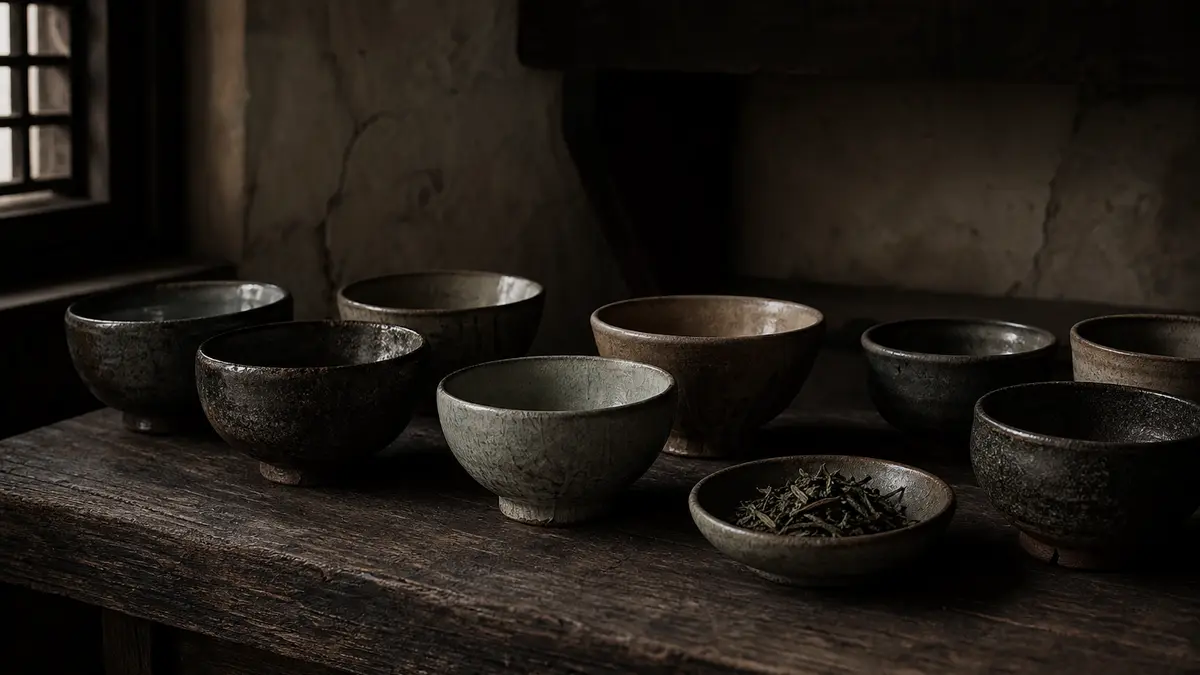
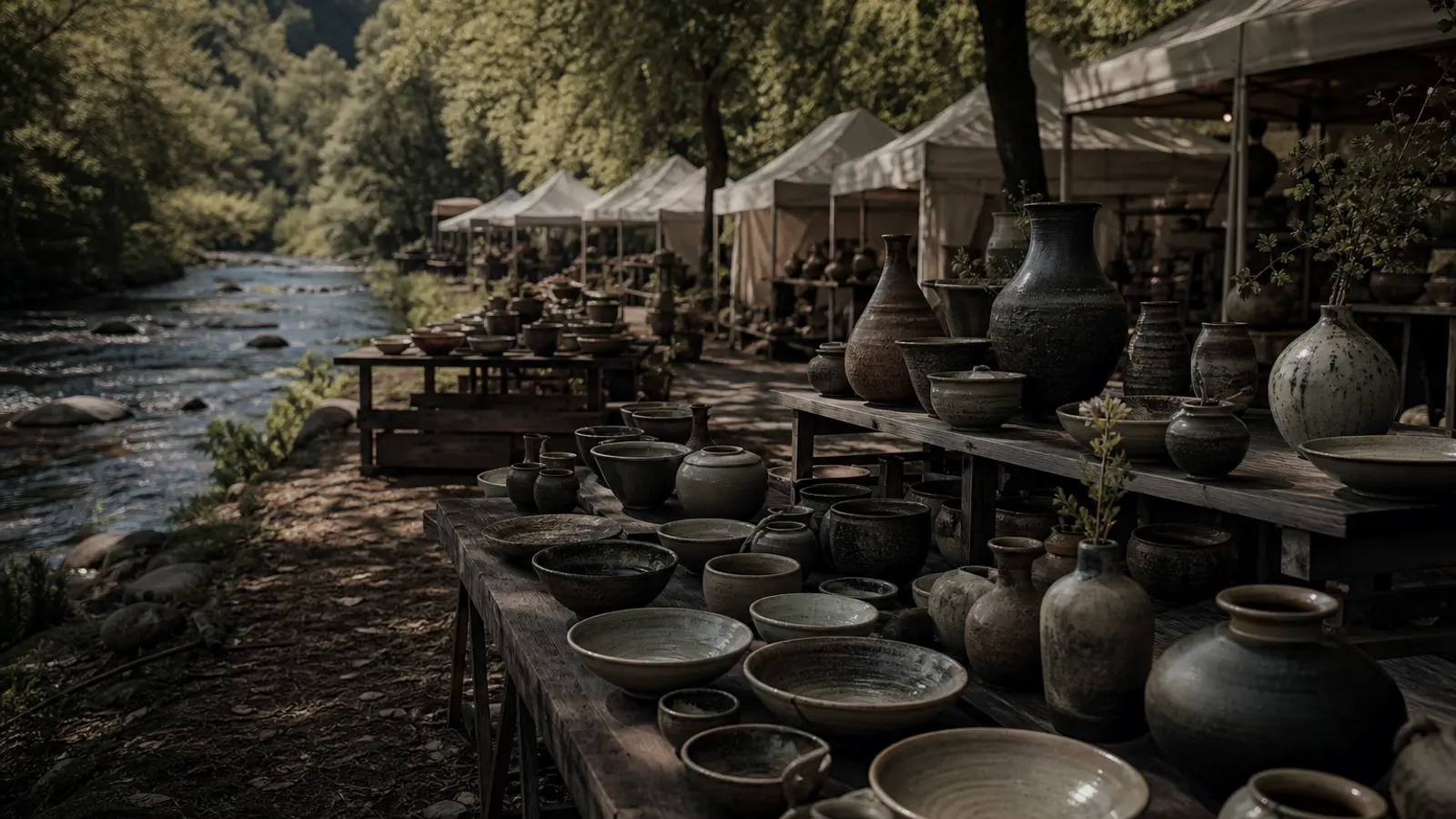
The Mungyeong Traditional Pottery Festival (문경전통찻사발축제) runs annually in late April to early May, typically spanning seven to ten days. It is the single most focused ceramics event in Korea for dawan buyers.
What makes this festival different from larger Korean ceramics events — Icheon or Yeoju, for instance — is its specificity. This is not a general craft fair. The exhibitors are potters with entire careers dedicated to the sabal form. Many have studios within walking distance of the festival grounds. The mountain setting reinforces the contemplative atmosphere: you are buying bowls in the landscape that made them.
Practical details for visitors:
- Location: Mungyeong Saejae Provincial Park area and the ceramics village (도자기마을)
- What to expect: Direct sales from 40–80 potters, live demonstrations, kiln openings timed to the festival, tea ceremony demonstrations
- Pricing: Bowls range widely. Simple gas-fired sabal start around $15–30. Well-regarded potters’ wood-fired dawan typically run $70–200. Established master potters (with Intangible Cultural Heritage designations or significant exhibition records) command $300–1,500+ for individual pieces
- Tip: Arrive early in the festival run. The best pieces from limited wood firings sell within the first two or three days
Quality Indicators & Authentication
Evaluating a Mungyeong bowl shares more with evaluating a hand-harvested wine than a manufactured product. There is no certification of origin stamp, no controlled appellation. Quality assessment is subjective, tactile, and experience-dependent.
Indicators I look for:
- Foot ring (굽, gup): The trimming of the foot reveals the potter’s confidence. A well-cut foot has decisive tool marks, not tentative scraping. In Ido-type bowls, the foot should show a characteristic “bamboo node” profile — a slight ridge where the trimming tool changed angle
- Glaze crawl and pooling: Natural ash glazes should pool unevenly, thicker in recesses and thinner on ridges. Uniform glaze coverage on a supposedly wood-fired bowl is a warning sign
- Ring tone: Hold the bowl by the foot and tap the rim lightly. A clear, sustained ring indicates a well-vitrified body. A dull thud suggests underfiring or cracks
- Weight and balance: A Mungyeong sabal should feel substantial but not heavy. The center of gravity sits low, in the belly, making it stable in the hand
- Kiln evidence: On wood-fired pieces, look for wadding marks on the foot (small dots of refractory clay used to prevent the bowl from fusing to the kiln shelf) and ash accumulation patterns consistent with directional flame
Authentication in the strict sense is difficult. There is no Mungyeong DOC. Bowls sold at the festival from known potters carry implicit provenance. Bowls encountered in secondary markets — particularly those claimed as “old Mungyeong” or “Joseon-era” — require expertise and healthy skepticism. Genuine Joseon-period sabal from this region are held in museums and serious private collections; they do not surface casually at flea markets.
Price Ranges
Mungyeong tea bowls span an enormous price range depending on the potter, firing method, and market:
| Category | Price Range (USD) | Notes |
|---|---|---|
| Festival gas-fired sabal | $15–50 | Functional, honest work from emerging potters |
| Festival wood-fired dawan | $70–250 | The sweet spot for serious tea drinkers |
| Established potter, wood-fired | $300–800 | Potters with decades of experience and exhibition records |
| Master/Cultural Heritage designation | $800–3,000+ | Limited output, significant collector demand |
| Antique Joseon-period (authenticated) | $5,000–100,000+ | Museum and auction market; rarely available |
These prices reflect direct-from-potter or domestic Korean market pricing. International export pricing — through galleries or online dealers — typically adds a 50–150% markup. A bowl that costs $150 at the Mungyeong festival may appear in a Tokyo or New York gallery at $300–400.
The comparison to wine pricing is apt. A young Mungyeong potter selling dawan at $30 each is the equivalent of a talented new Bandol vigneron selling rosé by the case — excellent value, honest craft, and the thrill of discovering someone early. A master potter’s signed wood-fired piece at $1,000 is the Grand Vin — and whether it’s worth it depends entirely on what you’re looking for in a bowl and in a tea practice.
What I find most compelling about Mungyeong is the continuity. The potters working here today are not revivalists. They are not reconstructing a lost art. They are continuing — in the same valley, with the same clay, beside the same kilns — a tradition that never stopped. The bowls they make sit in the hands of tea drinkers exactly as intended, whether that intention was first articulated five hundred years ago or five months ago. The tea doesn’t know the difference. But somehow, the hands do.