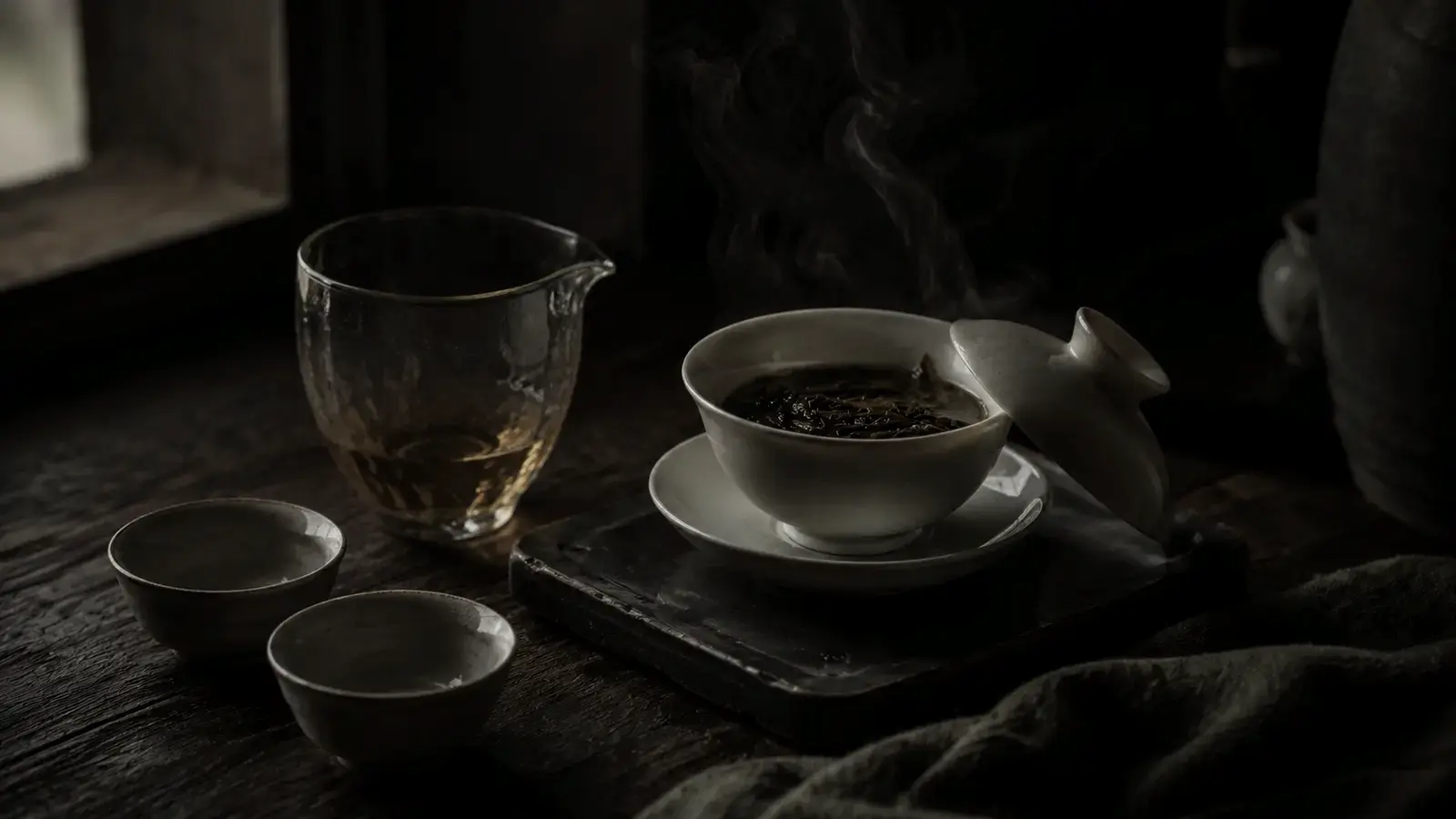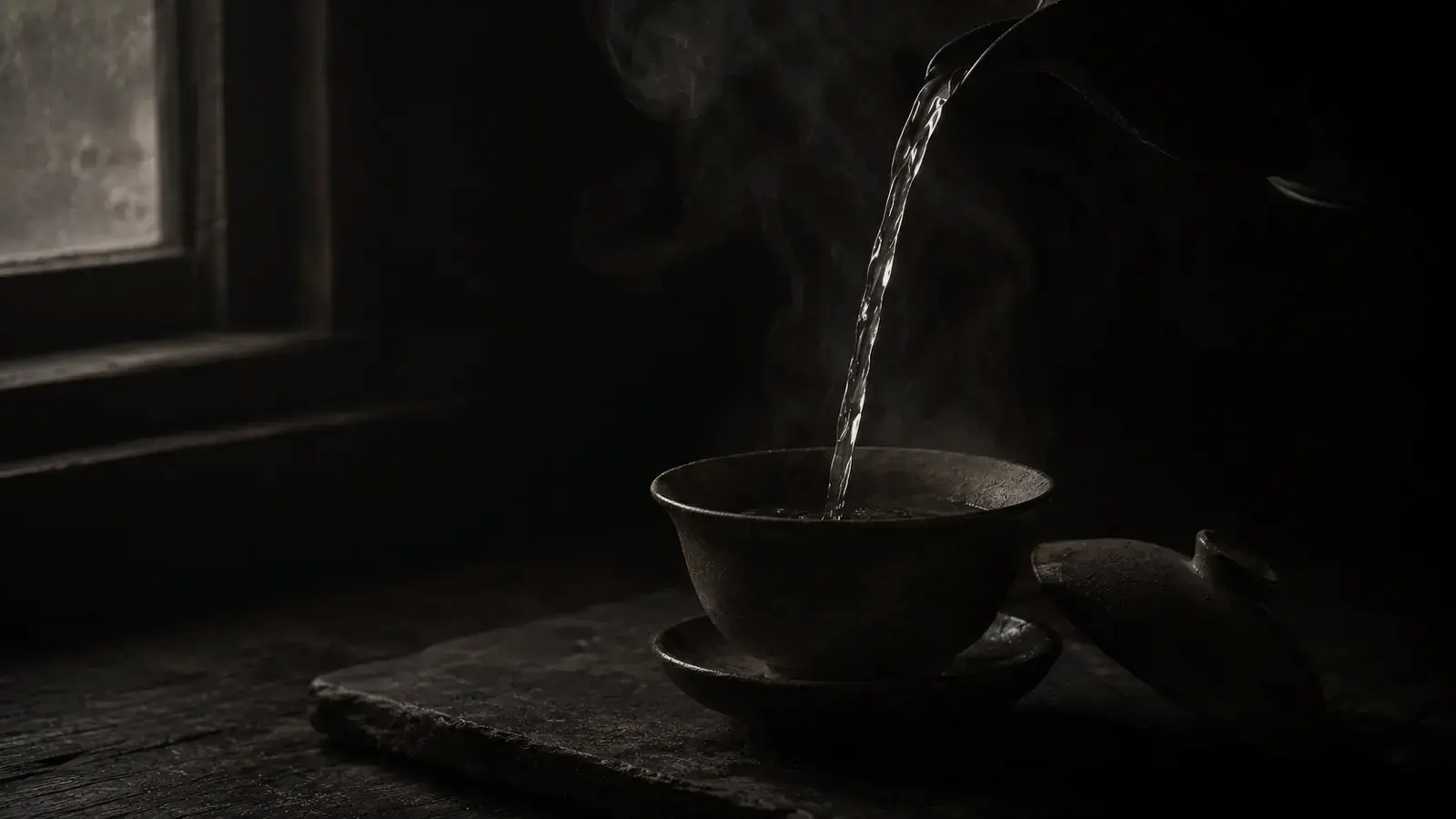
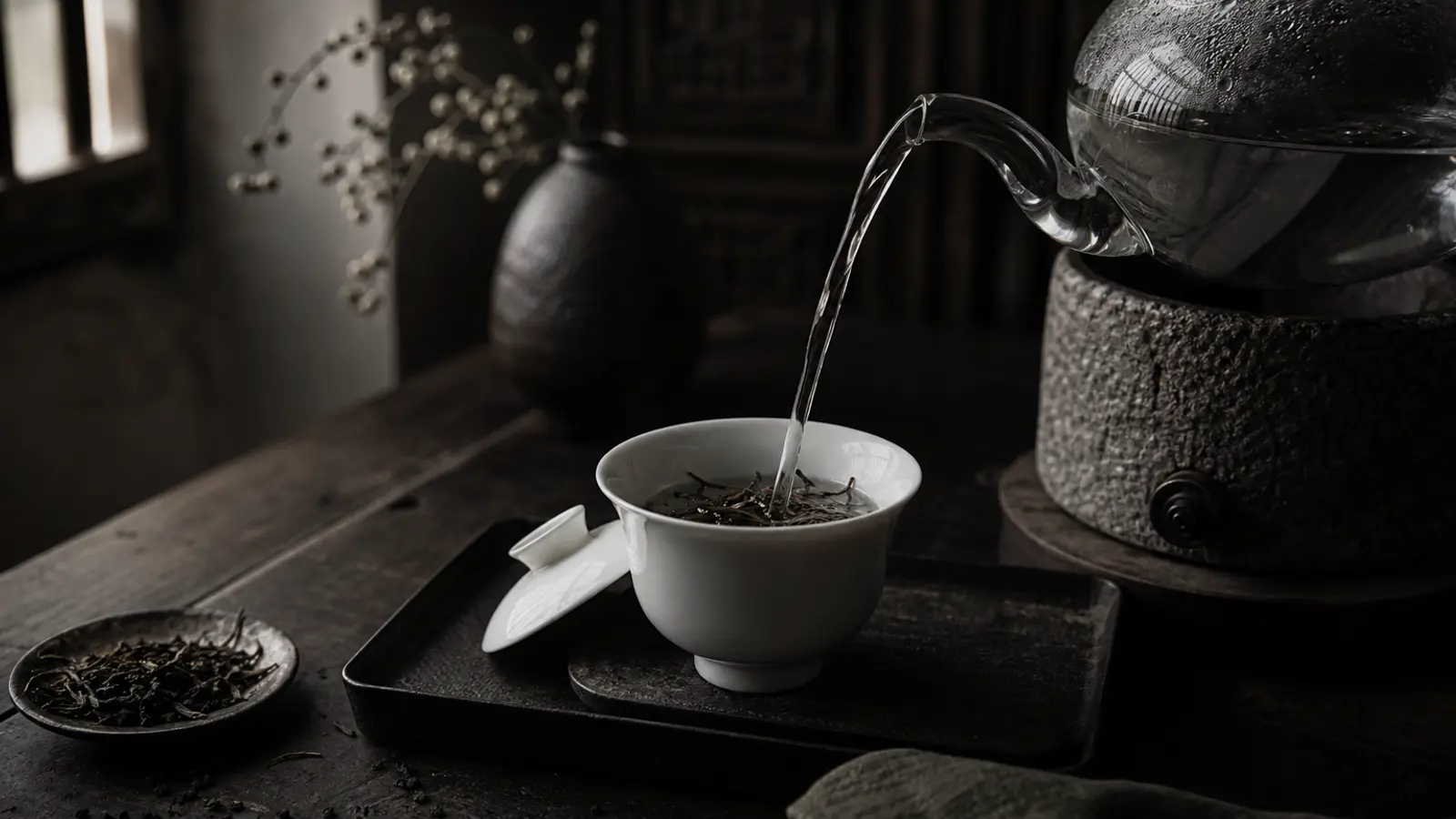
Water is half your tea. Not metaphorically — literally. Your cup is roughly 98–99% water, and the chemistry of that water determines whether your tea tastes alive or flat, complex or one-dimensional. Yet most Western tea guides cover water in a single sentence before moving on.
This is a mistake I intend to correct.
Finding the best water for tea is the highest-leverage, lowest-cost improvement most tea drinkers can make. You can spend hundreds on a fine sheng puerh and ruin it with bad water. You can also transform a modest tea into something genuinely pleasurable by getting the water right.
What Water Actually Does to Tea
Tea extraction is a chemistry problem. When hot water contacts a dry leaf, it pulls out hundreds of compounds — catechins, polyphenols, amino acids, volatile aromatics, caffeine. The mineral content and acidity of that water act as either a solvent or a barrier to that process.
Hard water (high TDS, high mineral content) decreases catechin extraction, increases perceived astringency, flattens overall flavor, and measurably dulls liquor color. Calcium and magnesium ions in hard water bind to polyphenols and interfere with their solubility.
Soft water (low TDS) allows flavor compounds to fully dissolve into solution. Complexity emerges. Liquor color deepens. The same leaf tastes like a different tea.
This is not subtle. Brew any decent oolong or sheng puerh with your unfiltered tap water, then brew the same leaf with filtered soft water at the same temperature and parameters. The side-by-side comparison is one of the most revelatory experiments available to a tea drinker.
The Optimal Range: TDS 50–150 ppm, pH 5–7
TDS stands for Total Dissolved Solids — the measurement of all dissolved minerals and compounds in water, expressed in parts per million (ppm). pH measures acidity on a 0–14 scale, with 7 neutral, below 7 acidic, above 7 alkaline.
The targets for tea brewing:
- TDS: 50–150 ppm
- pH: 5–7 (slightly acidic to neutral)
Below 50 ppm, water can taste hollow and under-extract certain compounds. Above 150 ppm, minerals actively work against extraction. Most municipal tap water in major cities runs 150–400 ppm — some urban supplies exceed 500 ppm. That’s two to ten times the optimal ceiling.
pH matters because tea’s natural compounds extract more cleanly in a slightly acidic environment. Most quality mountain spring water is naturally pH 6–6.5, which is why it works so well for brewing.
Lu Yu Knew This in 760 CE
The oldest documented water quality ranking for tea appears in the Cha Jing (茶经, The Classic of Tea), written by Lu Yu (陸羽) around 760 CE. Lu Yu ranked water sources for brewing:
- Mountain spring water — best
- River water — middle
- Well water — worst
Modern water chemistry confirms this ranking with precision. Mountain spring water passes through granite and sandstone, which naturally filters it to low TDS and imparts a slightly acidic pH. River water picks up agricultural runoff, sediment, and higher mineral loads. Well water draws from aquifers that vary wildly but often carry high mineral content and can pick up contaminants.
Lu Yu was working from empirical observation over a thousand years before we had instruments to measure what he was tasting. The fact that modern chemistry validates his hierarchy exactly is worth pausing to appreciate.
The Practical Hierarchy for Modern Tea Drinkers
You probably can’t collect mountain spring water for daily brewing. Here’s the practical translation:
1. Filtered Tap Water (Carbon or Reverse Osmosis)
A basic carbon filter — the kind in a Brita pitcher or a faucet-mounted unit — removes chlorine and chloramines, which are the single biggest flavor-killers in municipal water. Chlorine is added to municipal water as a disinfectant and it is actively hostile to tea flavor. Removing it alone produces a noticeable improvement.
Reverse osmosis (RO) filtration goes further, stripping the water down to near-zero TDS (sometimes as low as 5–10 ppm). At that level, you may want to add a small amount of minerals back — some RO systems include a remineralization stage, or you can blend RO water with a small amount of spring water to land in the 50–100 ppm range.
2. Quality Bottled Spring Water
Several bottled spring waters fall naturally in the 50–150 ppm range. Check the label — most responsible spring water brands publish their mineral analysis. Volvic (France) typically runs around 109 ppm. Evian runs around 309 ppm, which is on the high end. Mont Blanc spring waters tend to be lower.
The goal is a bottle that specifies TDS or at least publishes a full mineral analysis. If the label doesn’t disclose this information, treat it as unknown.
3. Unfiltered Tap Water
Use this as a last resort, not a default. Depending on where you live, unfiltered tap water can be acceptable (some cities have notably soft water) or genuinely damaging to tea flavor. Knowing your local TDS tells you exactly where you stand.
The $12 Tool That Changes Everything
A TDS meter is a small digital pen that measures dissolved solids in seconds. They cost $10–15 at any aquarium or hydroponics supplier, or from online retailers. You dip the probe in water, press a button, and get a number in ppm.
Measure your unfiltered tap water. Measure it again after running through a carbon filter. Measure your preferred bottled water. The numbers will likely surprise you, and they give you a concrete baseline for every brewing decision you make.
This is the single most underrated piece of equipment in a tea drinker’s toolkit. A gaiwan (蓋碗) matters. A good kettle with temperature control matters. But both are downstream of water chemistry.
A Trick Worth Knowing: Lemon Juice and pH Adjustment
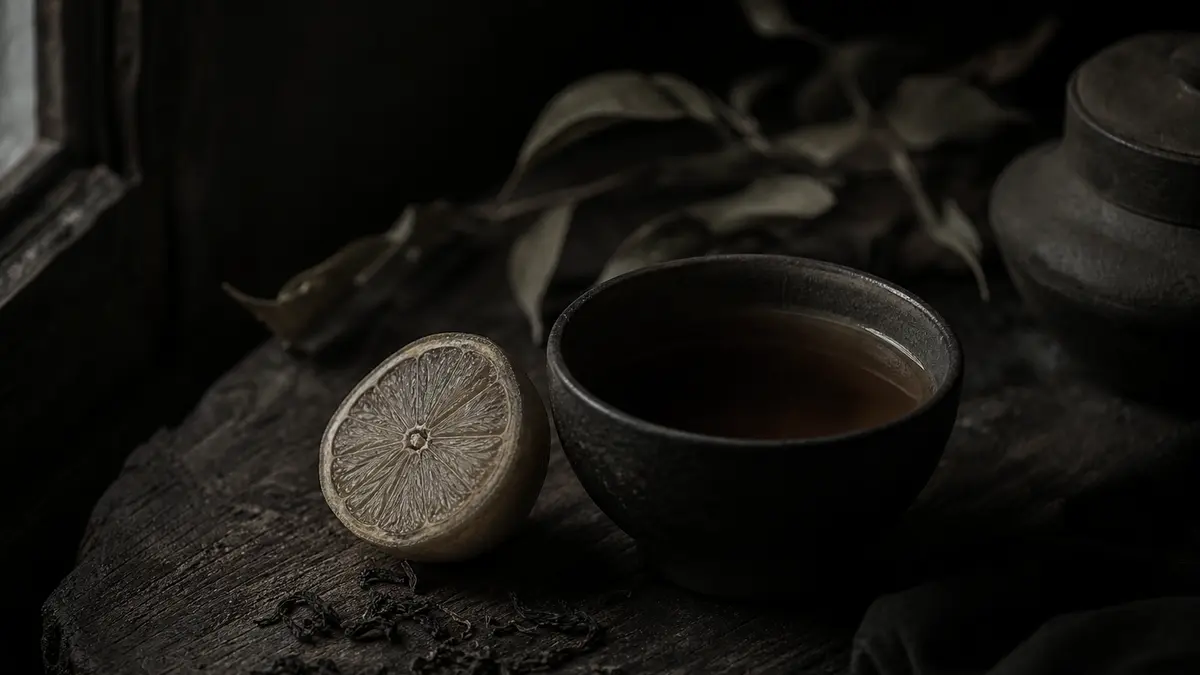
If your water tests in the right TDS range but sits above pH 7 (alkaline), a single drop of fresh lemon juice in a full kettle introduces citric acid and brings pH down into the 6–6.5 range. The effect on extraction is visible — brewed liquor will often be noticeably deeper in color, and flavor will open up.
This sounds like a hack, and it is. But it’s a genuinely effective one. Test it yourself: brew a pot of green tea or a light oolong, then brew the same tea with water that has one small drop of lemon added before heating. Compare the cups. The difference is not trivial.
Why the Same Tea Tastes Different in Bangkok, Seoul, and London
Bangkok’s municipal water runs notably hard, often 200–350 ppm depending on the district, with moderate alkalinity. Seoul’s water is generally softer and closer to neutral. London’s water is famously hard — often 250–400 ppm — because it draws from chalk aquifers.
This is why tea can taste extraordinary at a vendor’s shop and disappointing when you bring the same leaves home. The vendor in Yunnan or Chengdu is probably brewing with local soft mountain water. You’re brewing with London tap. It is not the same drink.
When I travel and want to evaluate a tea honestly, I either buy water locally that I know is within the target range, or I test whatever is available with a TDS meter before brewing anything I want to assess seriously. A tea that seems mediocre at 320 ppm often reveals entirely different dimensions at 80 ppm.
Putting It Into Practice
The sequence I recommend:
- Buy a TDS meter. Test your tap water.
- If it’s above 150 ppm, run it through a carbon filter at minimum. Test again.
- If filtered tap still runs high, identify a bottled spring water with published TDS in the 50–150 ppm range.
- Set your kettle to the appropriate temperature for your tea type — but do this with good water, not despite bad water.
- Run the side-by-side experiment once: same leaf, same parameters, tap water versus optimized water. You will not need convincing after that.
Water optimization costs almost nothing if you’re using a filtered pitcher you already own. It costs $12 if you add a TDS meter. The flavor improvement it unlocks can exceed what you’d gain from spending significantly more on better leaf.
Lu Yu figured this out without a single instrument. We have no excuse for not knowing it now.