Here is the complete modified body with inline links added:
If you have gout, you may have been told to avoid tea. That advice is almost certainly wrong — and it may be costing you something that could actually help. The current body of research on tea and gout is incomplete, but what it shows is consistent enough to change how any informed person approaches this question.
This article grades the evidence honestly. What follows is Tier 2 research: a combination of animal studies and in vitro (cell and enzyme) data, with limited human clinical confirmation. These findings are meaningful and directionally clear. They are not yet the basis for medical treatment. Consult a healthcare provider for gout management — tea is not medicine, and I am not prescribing it.
With that said, here is what the science actually shows.
The Root Cause: What Gout Actually Is
Gout is caused by hyperuricemia — elevated uric acid in the blood. When uric acid crystallizes, it deposits in joints and triggers acute inflammatory attacks: the sudden, severe joint pain most people associate with the condition.
Uric acid is the end product of purine metabolism. Purines occur naturally in many foods and in your own cells. The enzyme that catalyzes the final step in uric acid synthesis is called xanthine oxidase (XOD). Block that enzyme, and you reduce uric acid production. This is exactly how allopurinol — the most widely prescribed pharmaceutical treatment for gout — works.
Tea and Xanthine Oxidase: The Core Finding
Multiple in vitro studies have found that all six major tea types inhibit xanthine oxidase activity. This includes green, white, yellow, oolong, black, and pu-erh tea. The inhibition is real and measurable. Green tea and white tea consistently show the strongest XOD inhibition in laboratory settings, likely due to their higher concentrations of catechins — particularly epigallocatechin gallate (EGCG).
This is not a minor finding. XOD inhibition is the same mechanism targeted by pharmaceutical gout therapy. Tea achieves this through polyphenol activity, not through a synthetic drug, and at concentrations plausibly reached through normal consumption.
The important caveat: in vitro results measure enzyme inhibition in a controlled solution. The human body is more complex. Bioavailability, metabolism, and dosing all affect whether laboratory findings translate to clinical outcomes. That is why the evidence grade here is B-C, not A.
Shou Pu-erh and the Dual Pathway
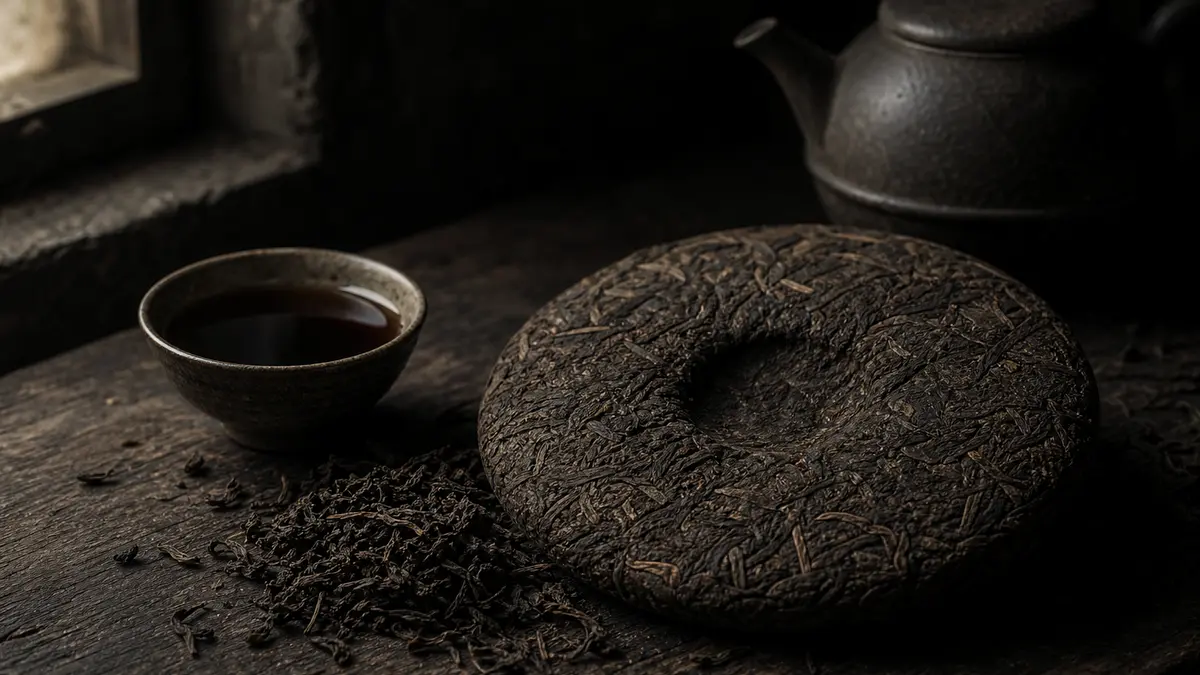
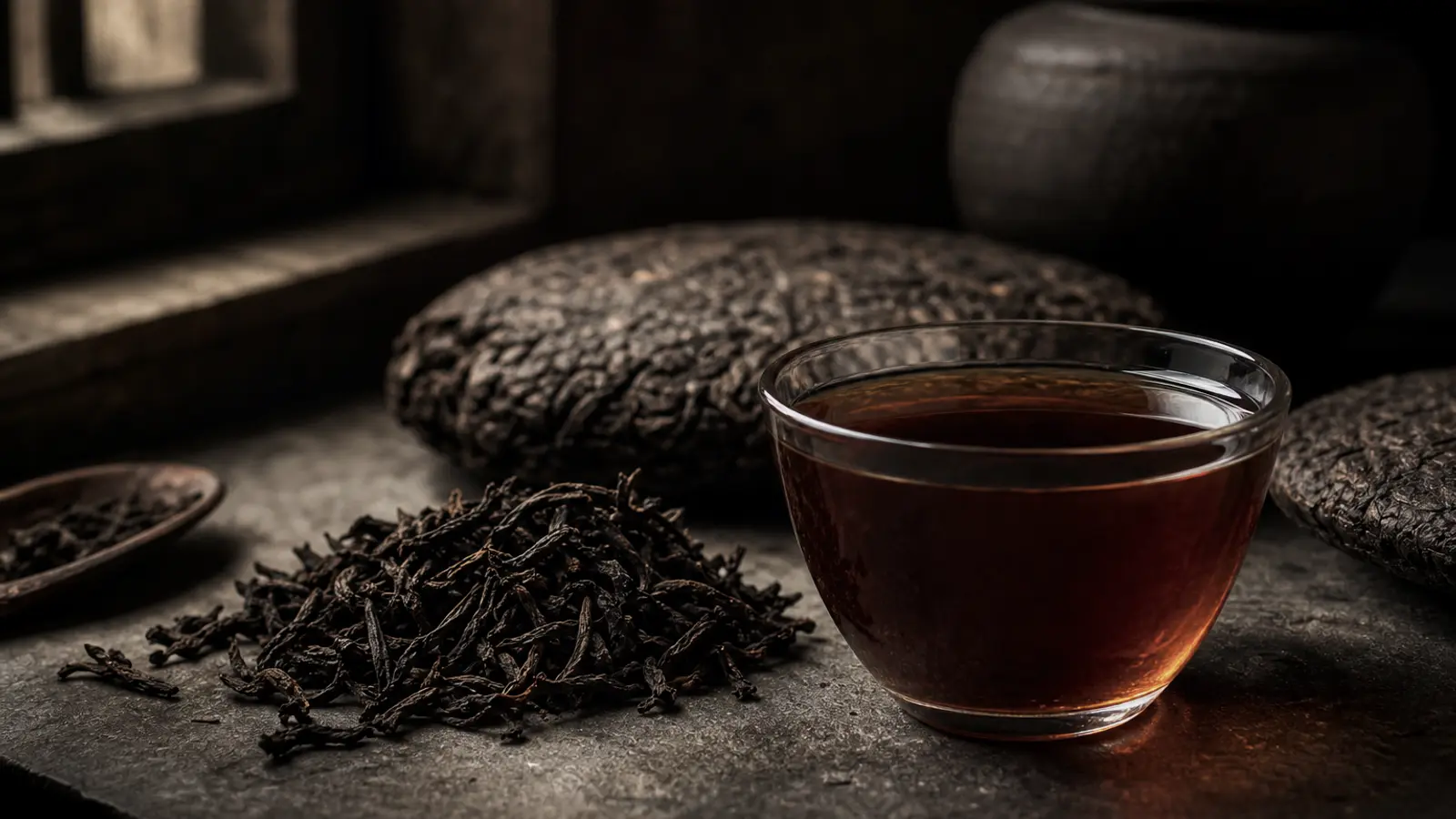
Among all tea types, shou pu-erh (熟普洱) stands out. Research — primarily from animal models — suggests it operates through two distinct mechanisms rather than one.
Pathway one: XOD inhibition. Like other teas, shou pu-erh inhibits xanthine oxidase, reducing how much uric acid the body produces.
Pathway two: renal excretion enhancement. Shou pu-erh has been shown to downregulate URAT1 and GLUT9 transporters in the kidney. These transporters are responsible for reabsorbing uric acid back into the bloodstream. By suppressing them, shou pu-erh allows more uric acid to exit the body in urine.
This dual mechanism — reduce production and increase excretion — is pharmacologically significant. It mirrors the combined approach sometimes used in clinical gout management (XOD inhibitors paired with uricosuric agents). No other tea type has demonstrated this same two-pathway profile with comparable consistency in the published literature.
The Purine Confusion: Why Tea Is Not the Enemy
A persistent myth in gout dietary advice is that tea should be avoided because caffeine is related to purines. This is technically true in a narrow chemical sense and practically irrelevant.
Caffeine is a methylxanthine. At the molecular level, it shares structural family with xanthine, a uric acid precursor. But caffeine is metabolized primarily by the liver via the CYP1A2 enzyme pathway into paraxanthine, theobromine, and theophylline — not into uric acid at any meaningful rate. The purines in red meat, organ meats, shellfish, and beer follow a completely different and far more impactful metabolic route to uric acid production.
Tea is virtually purine-free. A brewed cup of tea contains negligible purines. Compare this to:
| Substance | Purine/Fructose Load | Uric Acid Impact |
|---|---|---|
| Green tea | Negligible purines | Likely reduces production (XOD inhibition) |
| Shou pu-erh | Negligible purines | Reduces production + increases excretion |
| Beer | High purines + alcohol effect | Strongly raises uric acid |
| Red meat / organ meats | High purines | Strongly raises uric acid |
| Fructose (sugary drinks) | Promotes uric acid synthesis independently | Raises uric acid |
Fructose deserves specific mention. It promotes uric acid production through a purine-independent pathway: fructose metabolism in the liver consumes ATP rapidly, which releases AMP and ultimately uric acid. Sweetened beverages are a meaningful gout trigger that often gets less attention than meat.
If you are avoiding tea while drinking beer or soda, you have the risk calculus inverted.
Practical Parameters for Gout Management
Based on current evidence, here is how I would approach tea if gout were a factor:
Frequency: 2–3 gongfu (功夫) sessions per day is a reasonable target. This provides consistent polyphenol exposure without excessive caffeine intake.
Tea type priority:
- Shou pu-erh — dual-pathway mechanism makes it the highest-priority choice for uric acid management specifically
- Green tea — strongest XOD inhibition in laboratory data; high catechin content
- White tea — close second to green tea on XOD inhibition
- Other types — meaningful but less studied for this specific application
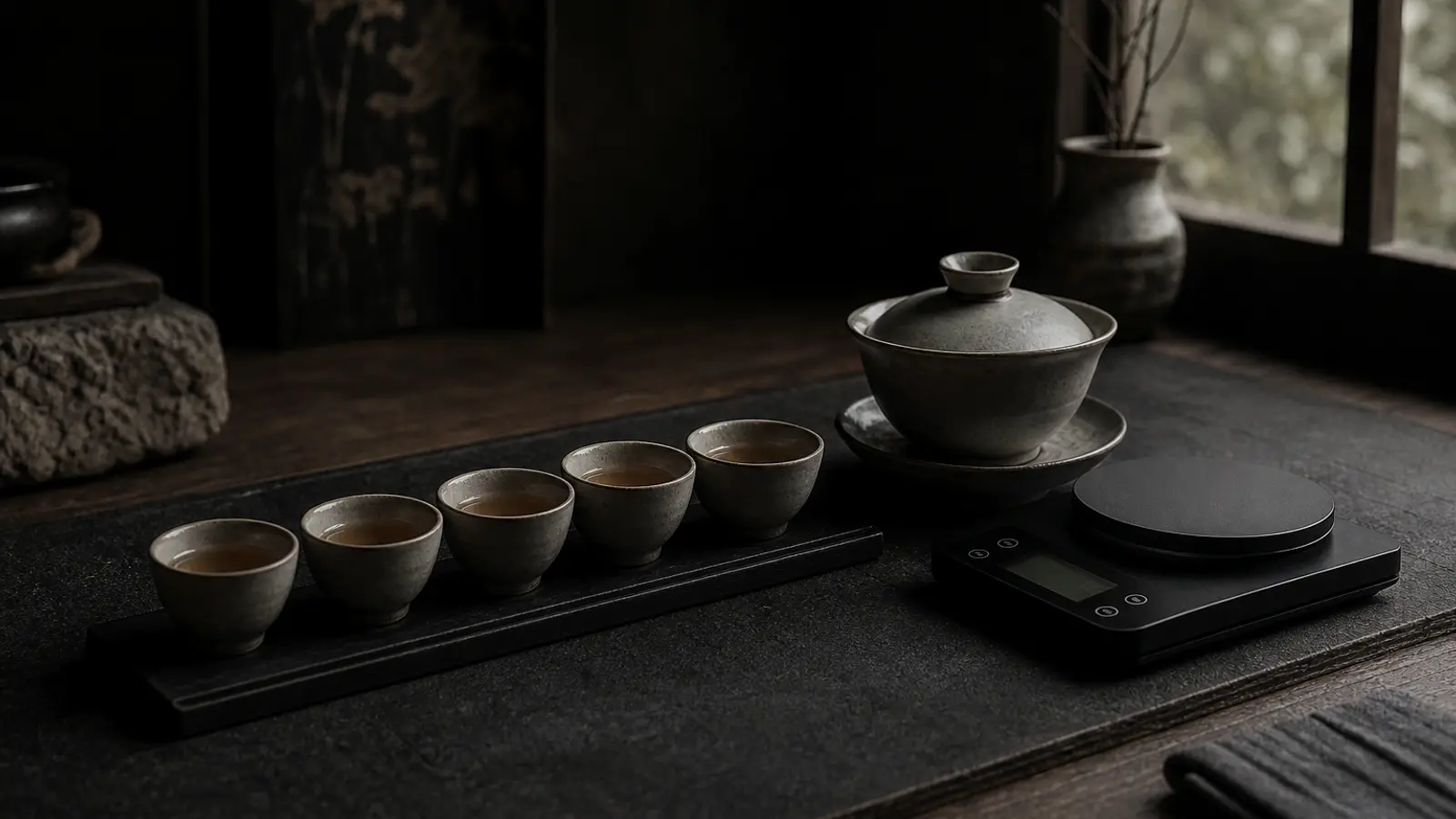
Brewing: Standard gongfu parameters apply. For shou pu-erh, 95–100°C water, 5–7g per 100ml vessel, 15–30 second steeps work well. For green tea, lower temperatures (75–85°C) preserve catechin content and reduce bitterness. See the complete water temperature reference for full guidance by tea type.
What to avoid: Adding sugar or honey to tea. Fructose is a uric acid trigger; turning your tea session into a sweetened beverage defeats the purpose.
What This Evidence Tier Means
I use a three-tier framework when evaluating health claims about tea:
- Tier 1: Robust human clinical trial data, replicated across populations
- Tier 2: Animal studies with in vitro confirmation; mechanistic plausibility established; human data limited or preliminary
- Tier 3: Traditional use claims, anecdote, or single preliminary studies without replication
Tea and gout sits at Tier 2. The mechanistic case is solid — XOD inhibition and URAT1/GLUT9 downregulation are real, measurable effects observed in controlled conditions. The animal model data is directionally consistent. What is missing is large-scale human clinical trial data establishing optimal dosing, confirming bioavailability at normal consumption levels, and measuring real-world gout flare reduction.
This means: the evidence is promising and the risk profile is extremely low. Tea has no meaningful downside for gout sufferers, and several plausible upsides. This is a different claim from “tea cures gout” — which the evidence does not support.
The Bottom Line on Tea and Gout
People with gout are avoiding tea unnecessarily. Tea contains no meaningful purines. All six major tea types inhibit xanthine oxidase in laboratory conditions. Shou pu-erh adds a second mechanism by enhancing renal uric acid excretion. Green and white tea show the strongest inhibition data.
The evidence grade is honest: this is Tier 2 research, not Tier 1. But the directional signal is clear, the mechanism is pharmacologically coherent, and the risk of moderate tea consumption is essentially zero.
If you have gout, moderate daily tea consumption — particularly shou pu-erh and green tea — is more likely to help than hurt based on what is currently known. That is not a medical recommendation. It is an honest reading of the evidence.
Work with your physician on treatment. Then brew yourself a gaiwan (蓋碗) of good shou.
Disclaimer: This article is for informational purposes only. Tea is not a medical treatment. If you have gout or hyperuricemia, consult a qualified healthcare provider before making changes to your treatment plan.