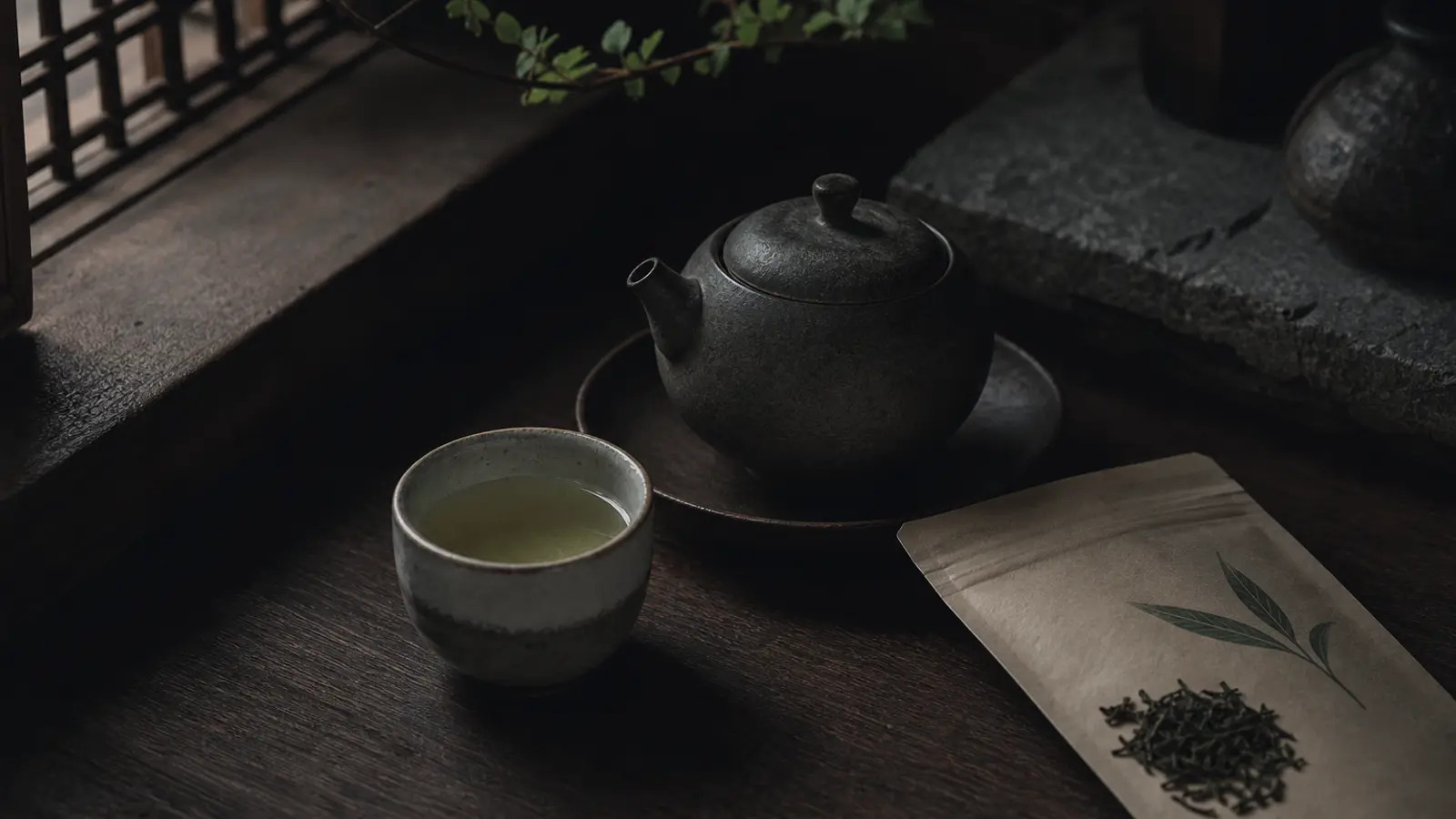
You want to try Korean tea. Good. But you open a search page and find fifty unfamiliar terms, wildly varying prices, and no clear starting point. I wrote this guide to fix that.
Korean tea for beginners doesn’t need to be complicated. One tea, one brewing method, one clear next step — that’s the framework. I’ve spent significant time sourcing tea in Korea, and the path I’d recommend to anyone starting out is the same path that hooked me: a single bag of sejak, brewed simply, with attention.
Your First Korean Tea: Sejak (세작)
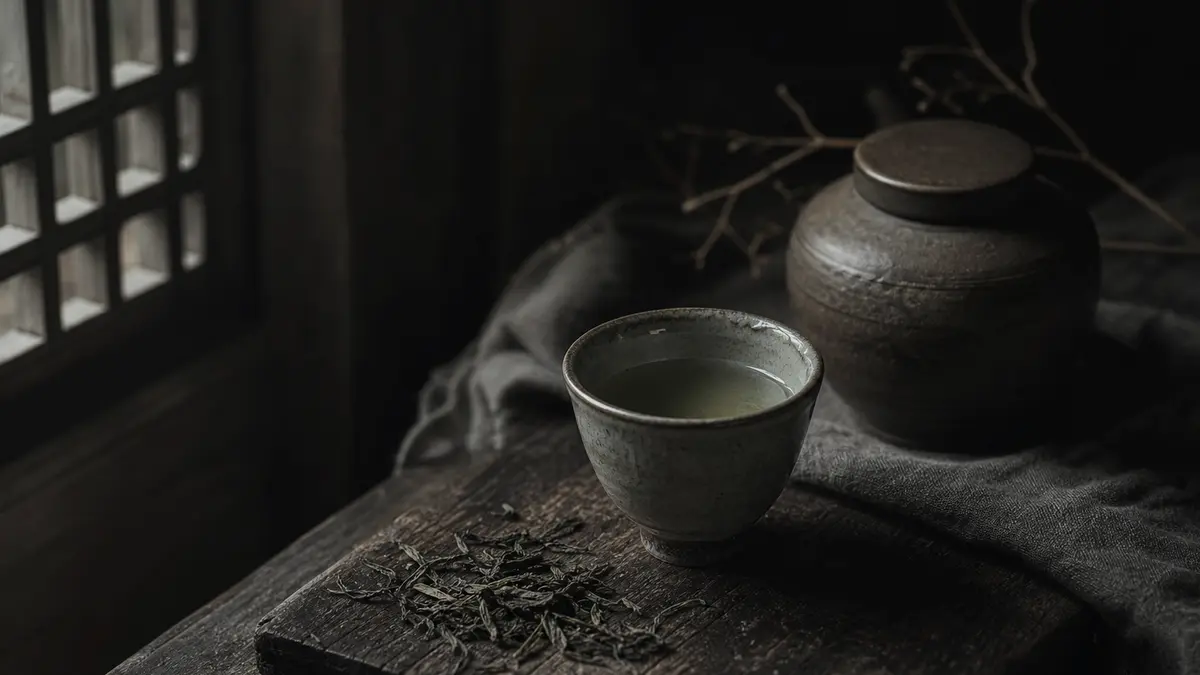
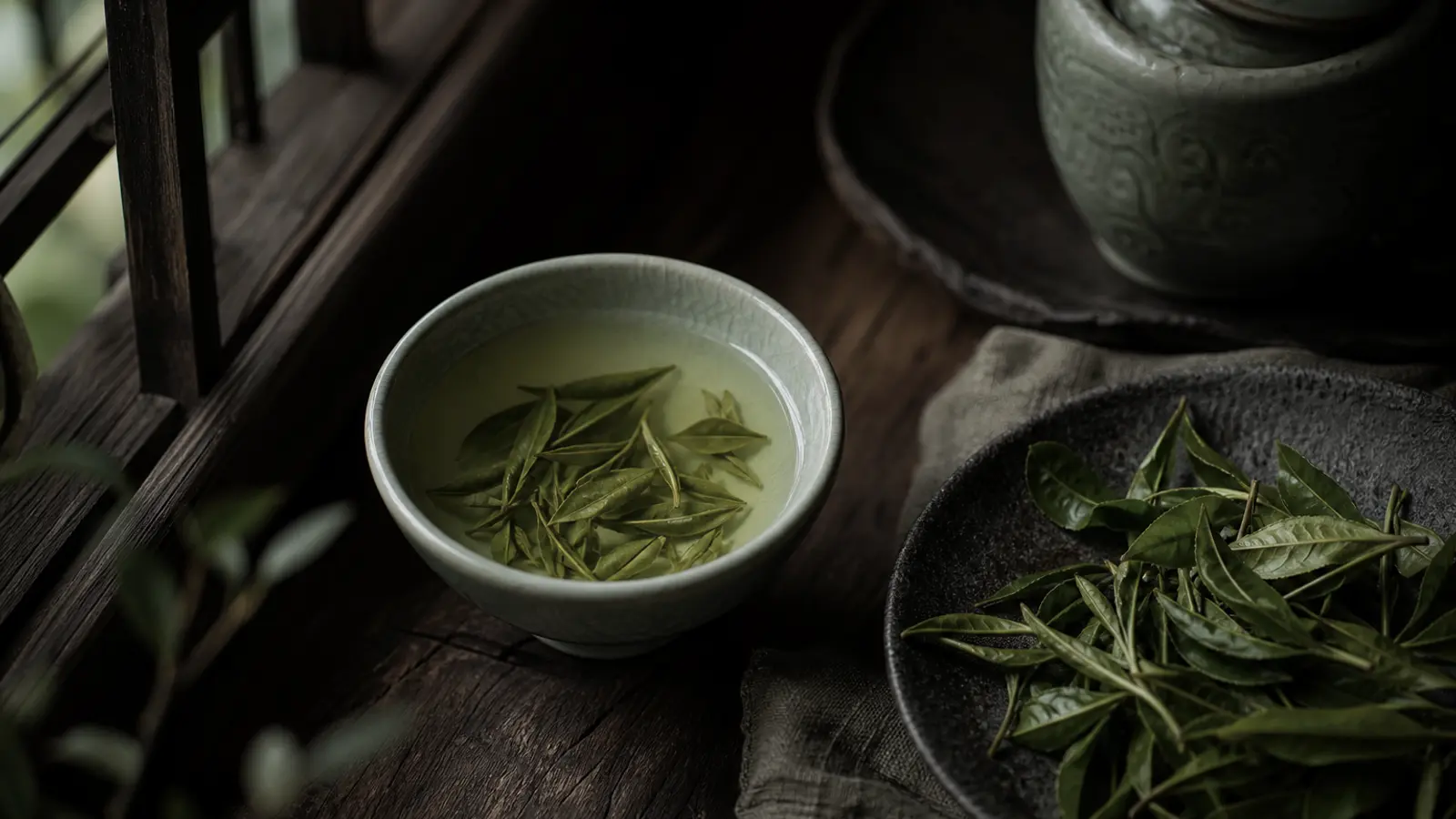
If you buy one Korean tea, make it a sejak (세작) grade green tea that’s been pan-fired (덖음, deok-eum).
Sejak means “thin sparrow” — a reference to the small, delicate leaves plucked after the Grain Rain solar term (곡우, Gogwu), typically in late April to early May. It sits in the middle of Korea’s green tea grading hierarchy: above the everyday grades, below the rarefied ujeon (우전) picked before the spring rains. This positioning makes sejak the sweet spot for beginners. The quality is high enough to demonstrate what Korean tea can actually do, but the price doesn’t create the kind of pressure that makes you afraid to brew it wrong.
Budget $25–40 for a 50g package. That’s roughly $0.50–0.80 per session, which puts it in the range of good loose-leaf tea from any origin.
Boseong vs. Hadong: Two Starting Points
Korea’s two major tea-producing regions will give you different first impressions, and both are honest ones.
Boseong (보성), on Korea’s southern coast, produces the majority of the country’s tea. The organized plantation rows you’ve seen in photographs — those are mostly Boseong. A sejak from Boseong will be clean, sweet, and gently nutty with a roasted chestnut finish. It’s approachable and consistent. Think of it as a well-made village wine: it represents its place clearly without demanding your full analytical attention.
Hadong (하동), in the foothills of Jirisan mountain, is Korea’s oldest tea-growing area. The plants here often grow semi-wild on mountain slopes rather than in manicured rows. A sejak from Hadong will carry more complexity from the mountain terroir — mineral undertones, a longer finish, sometimes a subtle wildflower note. Think single-vineyard Burgundy versus reliable Bourgogne.
Either works as a first experience. Don’t overthink the choice.
How to Brew Korean Tea
Korean tea is forgiving for beginners. The pan-firing process produces a leaf that tolerates minor brewing mistakes better than a steamed Japanese green or a tightly rolled Chinese oolong. There’s really only one critical variable: water temperature.
Simple Method (No Special Equipment)
- Measure 3–4g of tea — roughly a heaping teaspoon of loose leaves.
- Heat water to 75–80°C (167–176°F). If you don’t have a thermometer, bring water to a boil, then let it sit for 3–4 minutes with the lid off. Not boiling — this is the one thing you must get right. Boiling water scorches the leaves and produces bitterness that masks the sweetness Korean green tea is built around.
- Pour water over the leaves in a cup, small teapot, or even a mug with a strainer.
- Steep 60–90 seconds.
- Pour off completely. Drink.
- Re-steep 2–3 more times, adding 15–30 seconds per round. The second steep is often the best — the leaves have opened, the chestnut sweetness peaks, and a subtle huigan (回甘, returning sweetness) lingers.
Gongfu Method (If You Have the Gear)
If you already own a gaiwan (蓋碗) or small teapot from brewing Chinese tea:
- 5g of leaf in a 100ml gaiwan
- Water at 75°C
- 30-second steeps, extending by 10 seconds per round
- Expect 4–5 good steeps
This approach extracts more complexity per session and lets you track how the flavor evolves steep to steep. But it’s not required. The simple method above will show you everything you need to decide whether Korean tea is for you.
What Korean Green Tea Tastes Like
Korean green tea tastes different from Chinese or Japanese green tea, and understanding why helps you appreciate what’s in your cup.
The key is pan-firing. Where Japanese green tea is steamed (蒸し製, mushisei) to halt oxidation — producing grassy, marine, umami-forward flavors — Korean green tea is fired in an iron pan. This roasting step creates roasted chestnut, sweet grain, and toasted sesame notes. The result sits in its own flavor space.
If you come from Japanese tea, Korean green tea will feel warmer and more comforting. The marine edge disappears. The umami softens into something closer to grain sweetness. It’s like switching from oysters to roasted hazelnuts — both excellent, entirely different registers.
If you come from Chinese tea, particularly Longjing (龍井), Korean green tea will feel gentler and sweeter. Longjing has a bright, forward nuttiness and a crisp, almost assertive character. Sejak is quieter. The sweetness arrives slowly, sits patiently, and finishes with a warmth that Longjing doesn’t offer.
Neither comparison is a ranking. They’re orientation points.
Your Second Tea: Hwangcha (황차)
Once you’ve had your fill of sejak and understand what pan-fired Korean green tea tastes like, try hwangcha (황차).
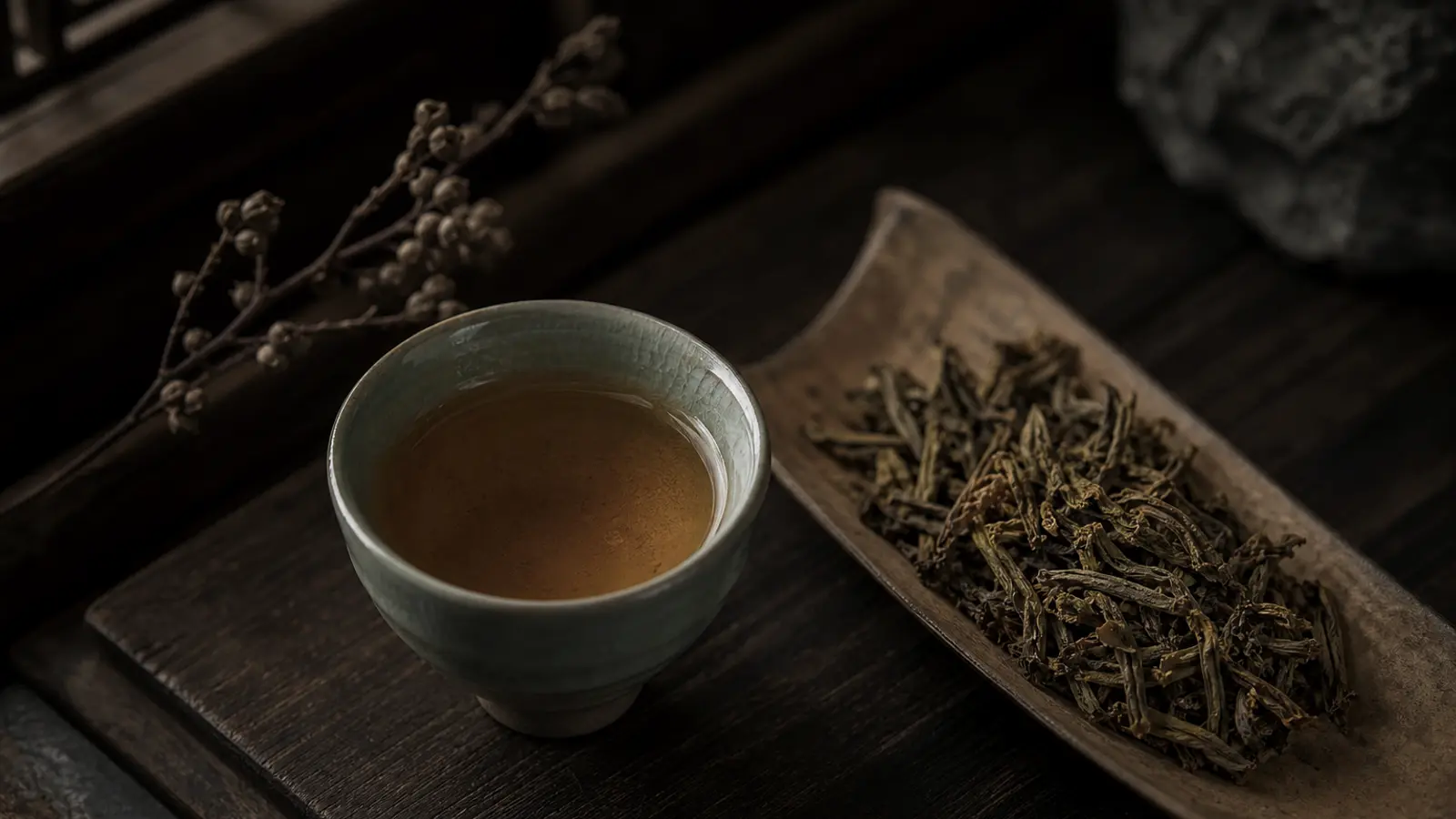
Hwangcha translates loosely as “yellow tea,” though it’s better understood as a lightly oxidized tea unique to the Korean tradition. The processing allows partial oxidation before firing, which pushes the flavor profile toward honey, stone fruit, and dried apricot. The body is warmer and softer than green tea. The caffeine feels gentler in my experience, though I haven’t seen reliable analytical data confirming this for Korean hwangcha specifically.
Hwangcha is excellent for evening drinking. Where sejak has a bright, alert energy, hwangcha settles you. The flavor doesn’t challenge — it accompanies. Budget roughly $30–50 for 50g.
Your Third Tea: Tteok-cha (떡차)
If you drink pu-erh (普洱), tteok-cha (떡차) — Korean pressed tea — will feel like meeting a distant cousin. The leaves are steamed, pounded, and compressed into small coin or cake shapes. The compressed format and potential for aging will resonate immediately if you’re used to handling bing-cha (餅茶).
Tteok-cha carries earthy, woody, and lightly sweet notes. Some age gracefully over years, developing depth in a way that parallels shou pu-erh (熟普洱) without the heavy pile-fermented character. It’s a niche category even within Korean tea, but for pu-erh drinkers, it’s a fascinating bridge between traditions.
The Progression Path
Here’s the map laid out simply:
- Sejak (세작) — your baseline. Learn the pan-fired character, the chestnut sweetness, the Korean green tea identity.
- Ujeon (우전) — the higher grade. Picked earlier, with more concentrated sweetness and a longer finish. More expensive ($60–120+ per 50g), but by this point you’ll know whether the price is worth it to you.
- Yasaeng-cha (야생차) — wild-grown tea, often from old semi-wild plants in Hadong or other mountain areas. These carry terroir intensity that cultivated plantation teas can’t replicate.
- Hwangcha (황차) — the oxidized side of Korean tea.
- Tteok-cha (떡차) — the aged, compressed tradition.
Each step reveals a deeper layer of Korean tea culture. You don’t need to follow the sequence rigidly, but it builds understanding in a logical order.
Korean Teaware: Complete the Experience
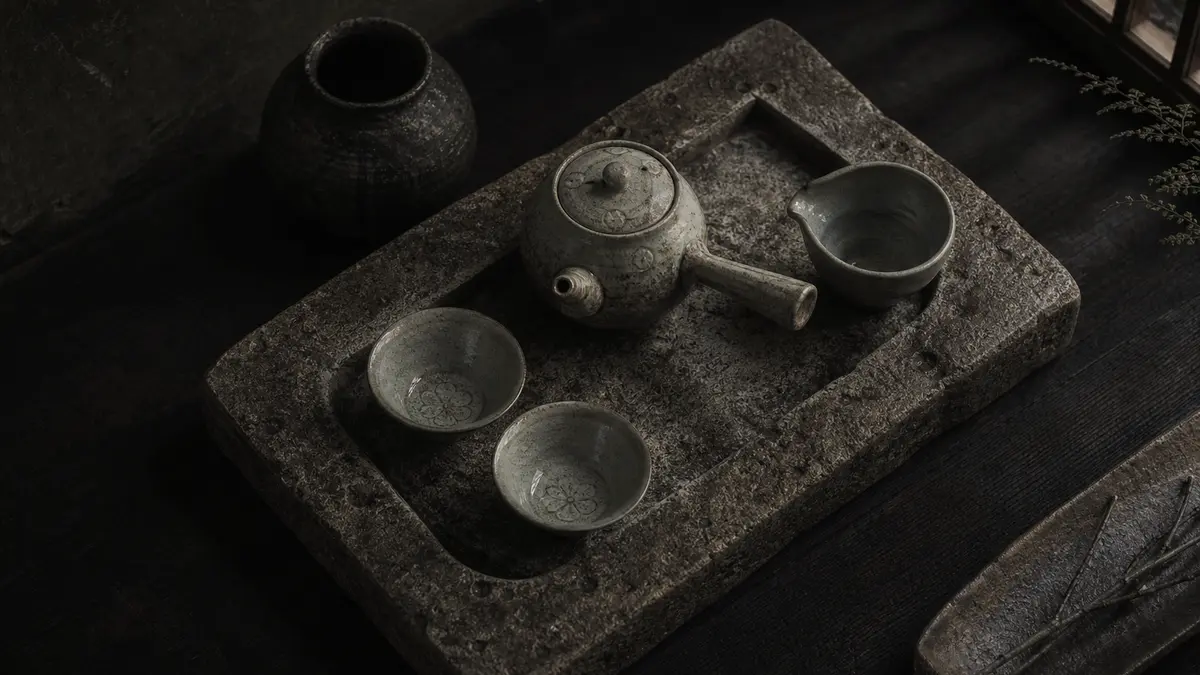
You don’t need special equipment to start — I said that clearly above, and I mean it. But once you know you want to go deeper, pairing Korean tea with Korean teaware changes the experience.
A celadon (청자, cheongja) or buncheong (분청, buncheong) tea bowl — called a dawan (다완) — has a wider, more open form than a Chinese teacup. This shape releases more aroma (향, hyang) into the space between the tea and your face. You hold the bowl with both hands, which creates a physical grounding that small gongfu cups don’t offer. It sounds like a subtle thing. It isn’t.
The Korean tea ceremony tradition, darye (다례), emphasizes simplicity, seasonal awareness, and quiet attention. You don’t need to study the ceremony to appreciate the teaware, but understanding that the bowl’s form was designed to serve those values helps explain why it feels the way it does in your hands.
Where to Find Korean Tea
This is the honest part: sourcing Korean tea outside of Korea involves navigating an access gap. The selection available through Korean-language sourcing channels is significantly wider than what international retailers carry. Most high-quality Korean tea is consumed domestically, and export infrastructure is limited compared to Chinese or Japanese tea.
Your best current options:
- Korean specialty tea retailers with international shipping offer the most direct access to quality sejak, hwangcha, and other grades.
- Korean e-commerce platforms that ship worldwide carry a wider selection, though navigating Korean-language listings adds friction.
This access gap — the distance between what’s available in Korea and what reaches international drinkers — is exactly the problem Steep Atlas is working to bridge through our Korean tea sourcing coverage. Subscribe to the Steep Atlas newsletter for updates as we build out curated sourcing pathways.
Start Simple, Start Now
Korean tea for beginners comes down to this: buy 50g of sejak, heat water to 75–80°C, steep for a minute, and pay attention. That’s it. No ceremony required, no special equipment, no deep knowledge prerequisite.
What you’ll find in that first cup — the roasted chestnut warmth, the clean sweetness, the quiet finish — either resonates or it doesn’t. For me, it did. And the path from that first sejak to understanding an entire tea culture has been one of the most rewarding things I’ve pursued in tea.
Your move.