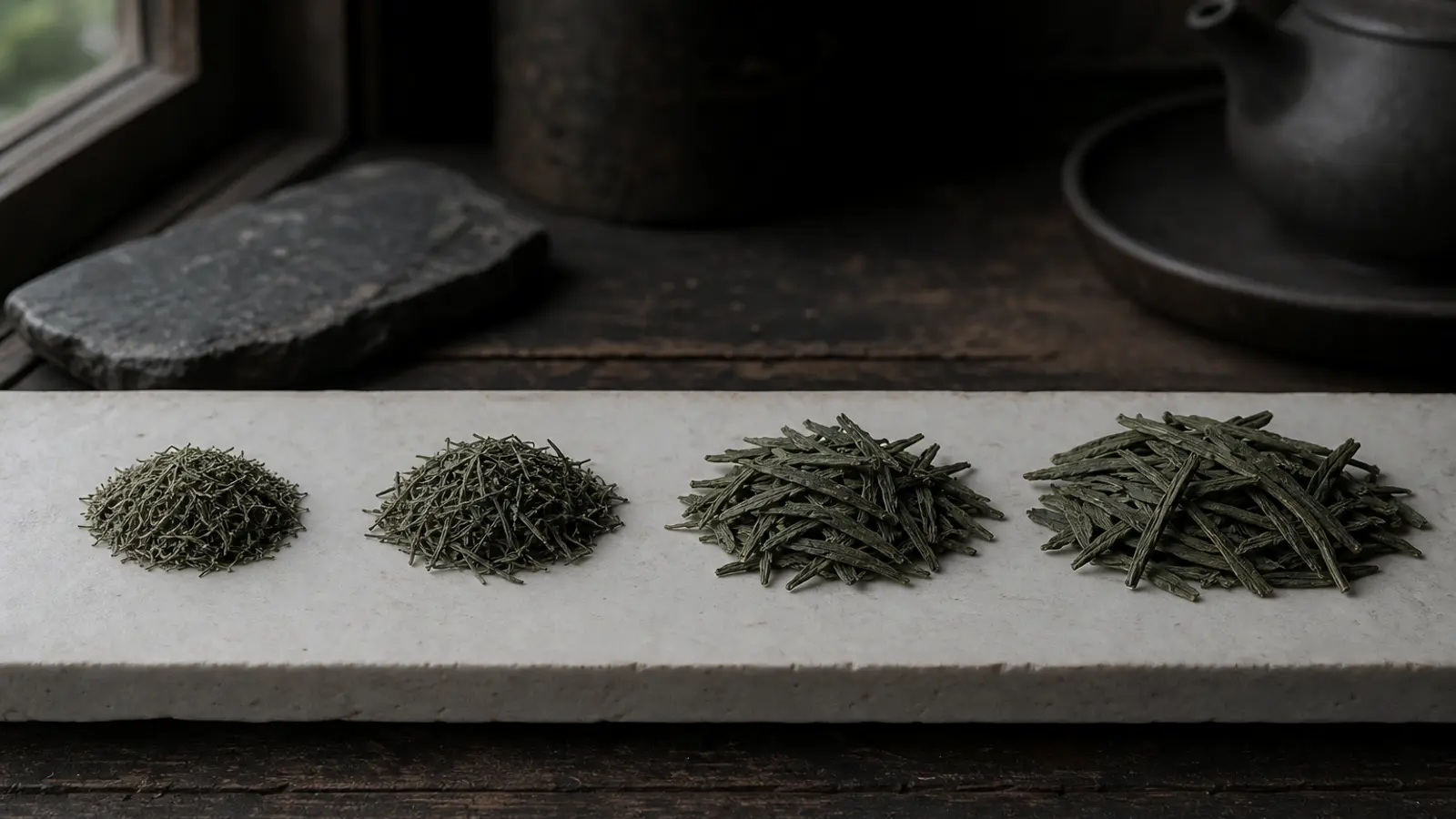
Korean green tea is graded almost entirely by one variable: when you pick it. The system rewards earliness. The earlier the harvest, the smaller the leaf, the higher the amino acid concentration, the sweeter and more umami-forward the cup—and the more expensive the tea. Understanding ujeon vs sejak means understanding this logic, and once you do, the entire Korean tea grade ladder becomes easy to read.
There are four main grades. This article covers all of them, but the comparison that matters most for any serious buyer is between ujeon (우전, 雨前) and sejak (세작, 細雀)—the two premium tiers that define what Korean green tea can be at its best.
What Is the Difference Between Ujeon and Sejak?
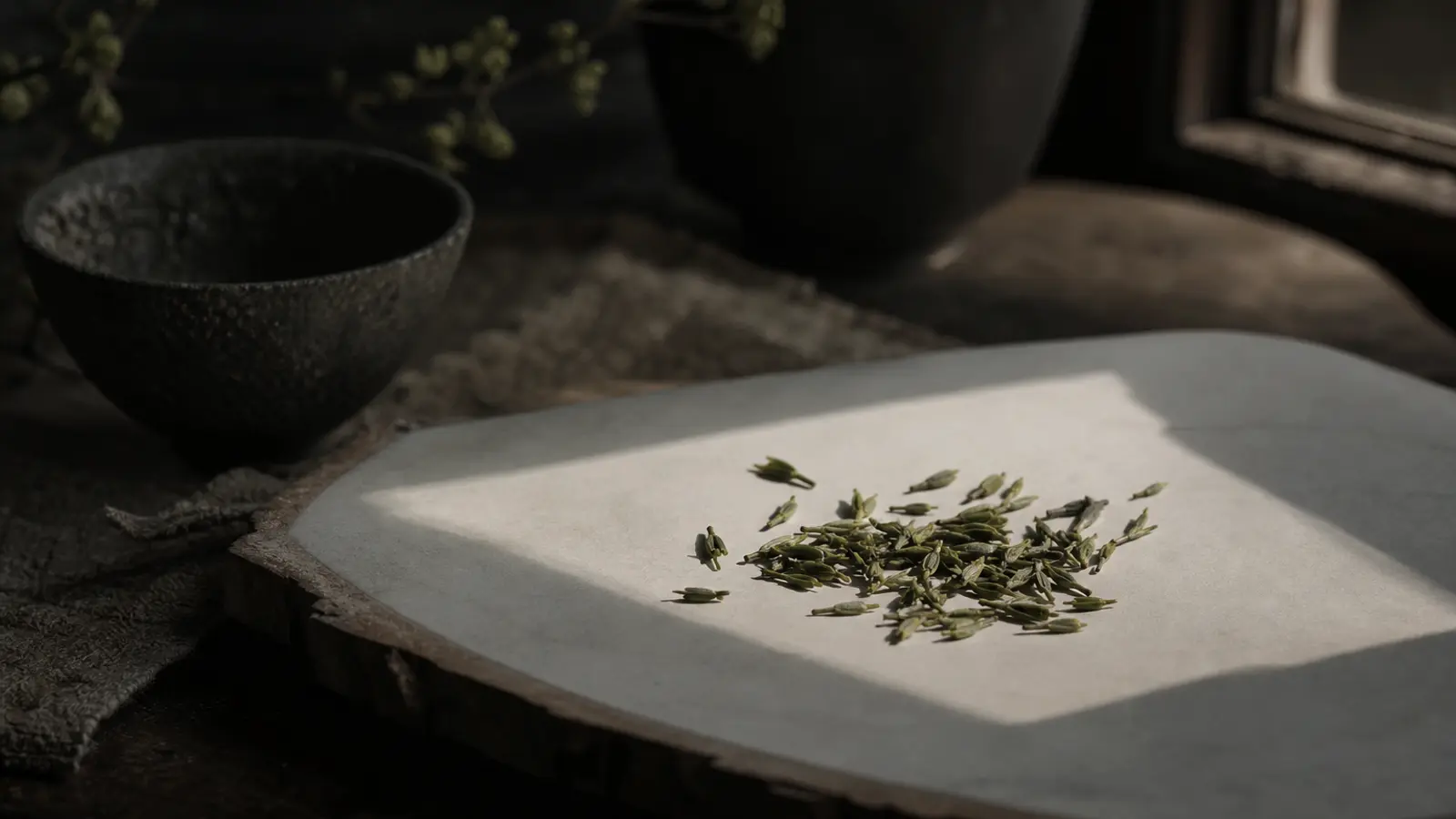
Ujeon (우전) is Korea’s earliest spring harvest, picked before Grain Rain (April 20), using only the smallest, most tender buds — rare, expensive, and delicate. Sejak (세작) is harvested in the following weeks, with slightly larger leaves that produce fuller body and more pronounced savory depth at a significantly lower price.
At a Glance:
| Grade | Korean | Harvest Timing | Flavor Profile | Price (per 50g) |
|---|---|---|---|---|
| Ujeon | 우전 雨前 | Before April 20 | Sweet, umami, almost no astringency | $80–200 |
| Sejak | 세작 細雀 | Late April–early May | Sweet, clean, moderate body | $30–60 |
| Jungjak | 중작 中雀 | May | Vegetal, moderate astringency | $15–30 |
| Daejak | 대작 大雀 | Late season | Bold, robust, strong tannin | $5–15 |
The Logic Behind Korean Tea Grades
Korea’s grading system shares its underlying principle with two other East Asian traditions: Mingqian (明前) tea in China, where leaves harvested before the Qingming festival in early April command the highest prices, and shincha (新茶) in Japan, where the first flush carries the season’s peak sweetness. In all three cases, the mechanism is the same. Tea plants accumulate L-theanine and other amino acids during winter dormancy. The first leaves to emerge carry the highest concentration. Warmth and light accelerate conversion of those amino acids into catechins—the compounds responsible for astringency. Pick early, and you capture sweetness before astringency develops. Wait, and the balance shifts.
Korean grades add a specifically Korean vocabulary to this principle, rooted in the traditional solar calendar (절기, jeolgi) and in names that reference bird anatomy with a precision that still makes me smile.
The Four Korean Tea Grades
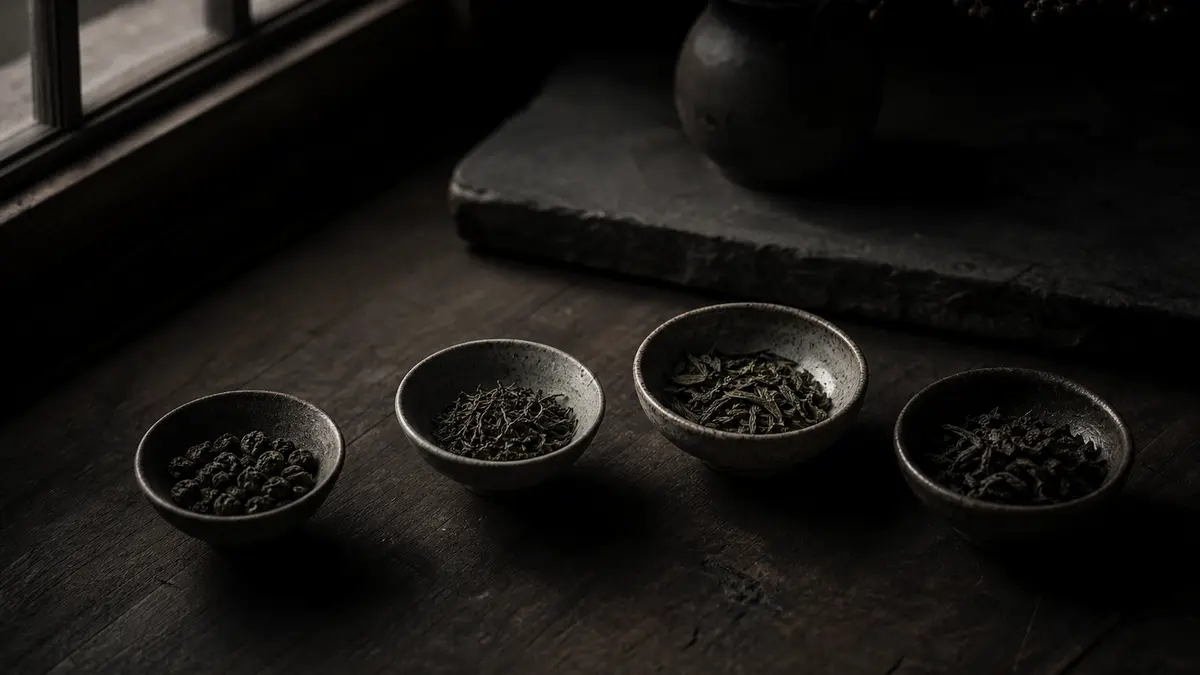
Ujeon (우전, 雨前) — Before the Rain
The name translates literally as “before rain”—specifically before Gogu (곡우, 穀雨), the solar term that falls around April 20 each year and is associated with the grain-nourishing spring rains. Ujeon must be harvested before that date, from the smallest, most tightly furled buds on the plant.
The window is genuinely narrow. On many farms in Hadong (하동) or Boseong (보성), the harvest period for true ujeon can span fewer than ten days. Wild-grown (야생차) plants in Hadong’s mountain terrain are even less predictable—the elevation variation means different sections of the same hillside may be ready days apart, and skilled pickers have to judge each bush individually.
What’s in the cup reflects all of that selectivity. Ujeon produces an intensely sweet, umami-forward brew with almost no astringency. The texture is soft and rounded. The finish often extends into a sustained huigan (回甘)—the returning sweetness on the back of the palate—that you’d more typically associate with high-grade oolongs or fine Darjeeling. A good Hadong wild-grown ujeon at 70°C will taste closer to dashi stock than to anything vegetal. It’s one of the most distinctive flavor profiles in all of East Asian tea.
Price range: $80–200 per 50g for artisan production. Wild-grown Hadong ujeon sits at the top of that range or above it.
Yield: Ujeon typically represents 5–10% of a farm’s total annual output. At small family operations in Hadong, the entire season’s ujeon production may be 2–5 kg. That’s not a figure I can personally verify for every farm, but it aligns with what multiple producers and researchers report about early-harvest scarcity.
Sejak (세작, 細雀) — Slender Sparrow
The name shifts from calendar terminology to leaf morphology. Sejak means “slender sparrow,” and the reference is to a sparrow’s tongue (작설, 雀舌)—a classical East Asian metaphor for small, narrow tea leaves that appears in Chinese tea writing as well. Sejak leaves are as narrow as a sparrow’s tongue.
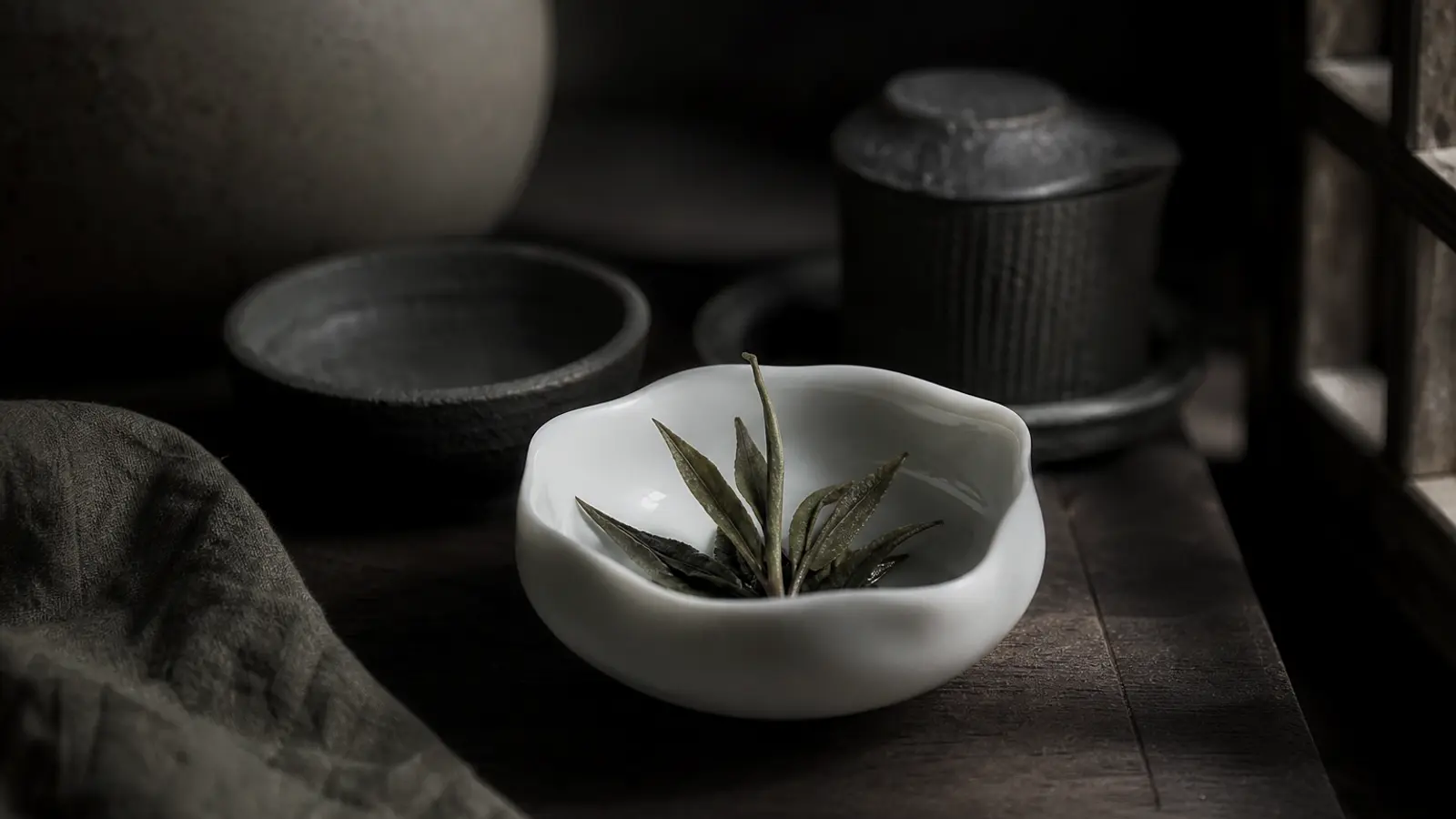
Harvest runs late April through early May, using small leaf sets of one bud and one or two unfurled leaves. The timing means some amino acid conversion has occurred, but not much. Sejak retains significant sweetness and low-to-moderate astringency, while gaining body and complexity that strict bud-only ujeon can lack.
For most purposes—and for most buyers—sejak is the more useful tea. It’s repeatable enough to build a practice around, flavorful enough to reward attention, and priced accessibly enough to drink daily without anxiety. If ujeon is the tea you bring out for someone you want to impress, sejak is the tea you drink on Tuesday mornings.
The wine parallel the brief suggests is apt: ujeon is to sejak what a Grand Cru Burgundy is to a Village-level wine from the same appellation. Same terroir, same tradition, same producer in many cases—just a difference in selection intensity and the price that selection commands.
Price range: $30–60 per 50g for quality artisan sejak.
Jungjak (중작, 中雀) — Medium Sparrow
May harvest. Larger leaf sets, more developed catechins, more pronounced vegetal and grassy character. The astringency is noticeable but not harsh in a well-made jungjak. This is genuinely good daily drinking tea—honest, direct, pairs well with food.
Price range: $15–30 per 50g.
Daejak (대작, 大雀) — Big Sparrow
Late-season harvest. Coarser leaves, the strongest flavor, the most tannin. Daejak has its advocates; some drinkers prefer the robust, almost roasted-grain quality that late-harvest Korean tea can develop. It’s the everyday workhorse grade and the most affordable entry point into Korean green tea.
Price range: $5–15 per 50g.
Korean Tea Grade Comparison Table
| Grade | Korean | Harvest Timing | Leaf Character | Flavor Profile | Price (per 50g) | Best Use |
|---|---|---|---|---|---|---|
| Ujeon | 우전 雨前 | Before April 20 (Gogu) | Tiniest buds only | Sweet, umami, almost no astringency, soft huigan | $80–200 | Special occasions, gifting, study sessions |
| Sejak | 세작 細雀 | Late April–early May | 1 bud + 1–2 leaves | Sweet, clean, moderate body, light astringency | $30–60 | Premium daily drinking, best value tier |
| Jungjak | 중작 中雀 | May | Larger leaf sets | Vegetal, moderate astringency, more structure | $15–30 | Everyday drinking, food pairing |
| Daejak | 대작 大雀 | Late season | Coarse, mature leaves | Bold, robust, strong tannin | $5–15 | High-volume daily tea, cooking |
Brewing Ujeon and Sejak: Key Differences
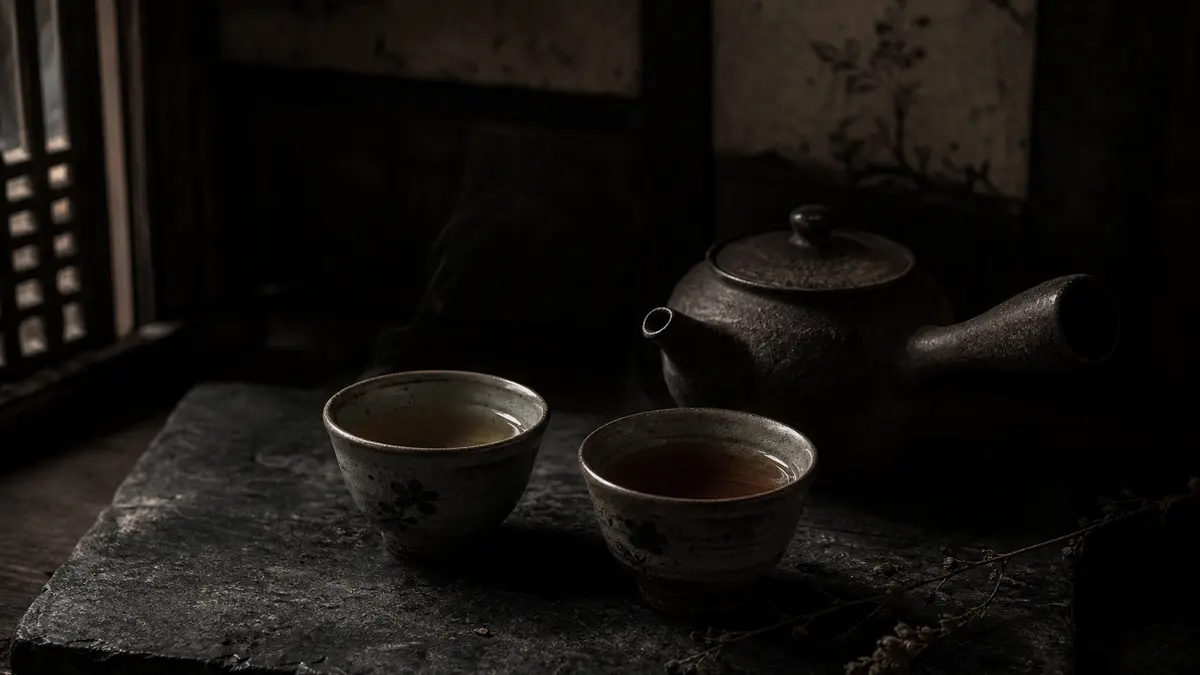
The two grades reward slightly different approaches in the cup.
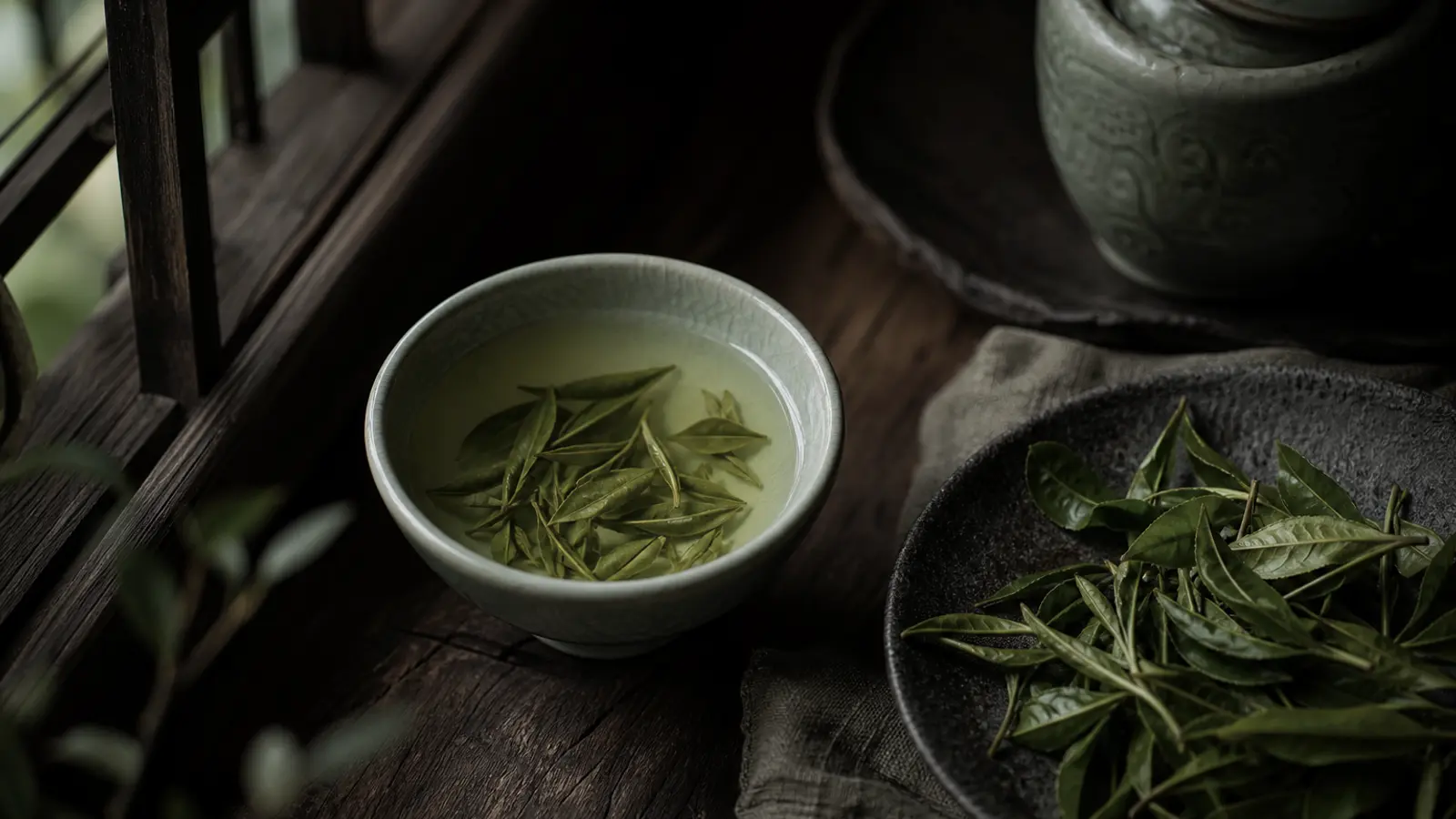
Ujeon needs lower water temperature than almost any other tea I work with regularly. I brew it at 65–70°C in a small white porcelain gaiwan (蓋碗) or a Korean celadon bowl, using 3g per 100ml, with infusions of 60–90 seconds. Higher temperatures flatten the sweetness and introduce a faint bitterness that the tea doesn’t need. Three or four infusions is typical; by the fourth, the amino acids are largely exhausted and what’s left is thin.
Sejak is slightly more forgiving. 70–75°C works well, same leaf ratio, similar steep times. The additional body means it holds up a little better to temperature variation. Four to five infusions before significant drop-off is common.
Both grades benefit from very soft water. Korean mountain spring water, or filtered water with low mineral content, lets the tea’s own character lead. Hard water kills the sweetness in a way that’s hard to recover from.
Where the Grades Come From: Region Matters
Grade is a function of timing, but timing doesn’t exist in a vacuum—it’s shaped by geography.
Hadong (하동) in South Gyeongsang Province is Korea’s oldest tea region, and its wild-grown (야생차) mountain teas are where ujeon reaches its ceiling. The plants grow on the slopes of Jirisan (지리산) at elevations ranging from roughly 200 to 700 meters, often untended and interplanted with forest. Lower yields, dramatic flavor intensity, and prices at the top of every grade tier.
Boseong (보성) in South Jeolla Province is the other major region—more organized plantation-style farming, the iconic terraced rows that appear in most Korean tea photography, and more consistent annual production. Boseong sejak can be excellent and is often the grade that provides the best balance of quality and reliability for international buyers.
The grade name alone doesn’t tell you the full story. A well-made Boseong sejak from a careful producer will outperform a carelessly handled ujeon from a poorly managed garden. Grade and terroir interact; neither alone determines what’s in the cup.
Ujeon vs Sejak: Which One to Buy
Buy ujeon if: You want to understand Korean tea at its most concentrated and distinctive. You’re already comfortable with Korean green tea and want to explore its upper register. You’re buying for someone as a meaningful gift. You have the patience to brew carefully at low temperatures every time.
Buy sejak if: You’re new to Korean green tea and want the best representative introduction. You drink Korean tea regularly and want a grade that sustains a daily practice. You value body and complexity alongside sweetness. You’d rather drink well every day than occasionally drink something extraordinary.
The honest answer for most people, most of the time, is sejak. It’s not a consolation prize—it’s the grade that Korean tea drinkers actually live with. Ujeon is worth experiencing, but sejak is worth knowing.
A Note on Authentication
Both ujeon and sejak are subject to mislabeling, particularly at the ujeon tier where the price premium is significant. Some producers harvest slightly past Gogu and still label the tea ujeon. Others blend grades. Short of a direct relationship with a specific farm and producer, the best indicators of genuine ujeon are price (below $60 per 50g should raise questions), the flavor profile in the cup (genuine ujeon is unmistakably sweet and soft), and producer transparency about harvest dates.
Wild-grown Hadong ujeon from named family farms carries the highest authentication reliability—and the highest price. When a vendor is vague about region, harvest date, or farm identity, treat any ujeon claim with appropriate skepticism.
Korean tea has a small but serious international following, and the producers who cultivate that market tend to be the ones most forthcoming with documentation. That transparency is itself a quality signal.